Korva is a scroll of the internet’s best ideas.
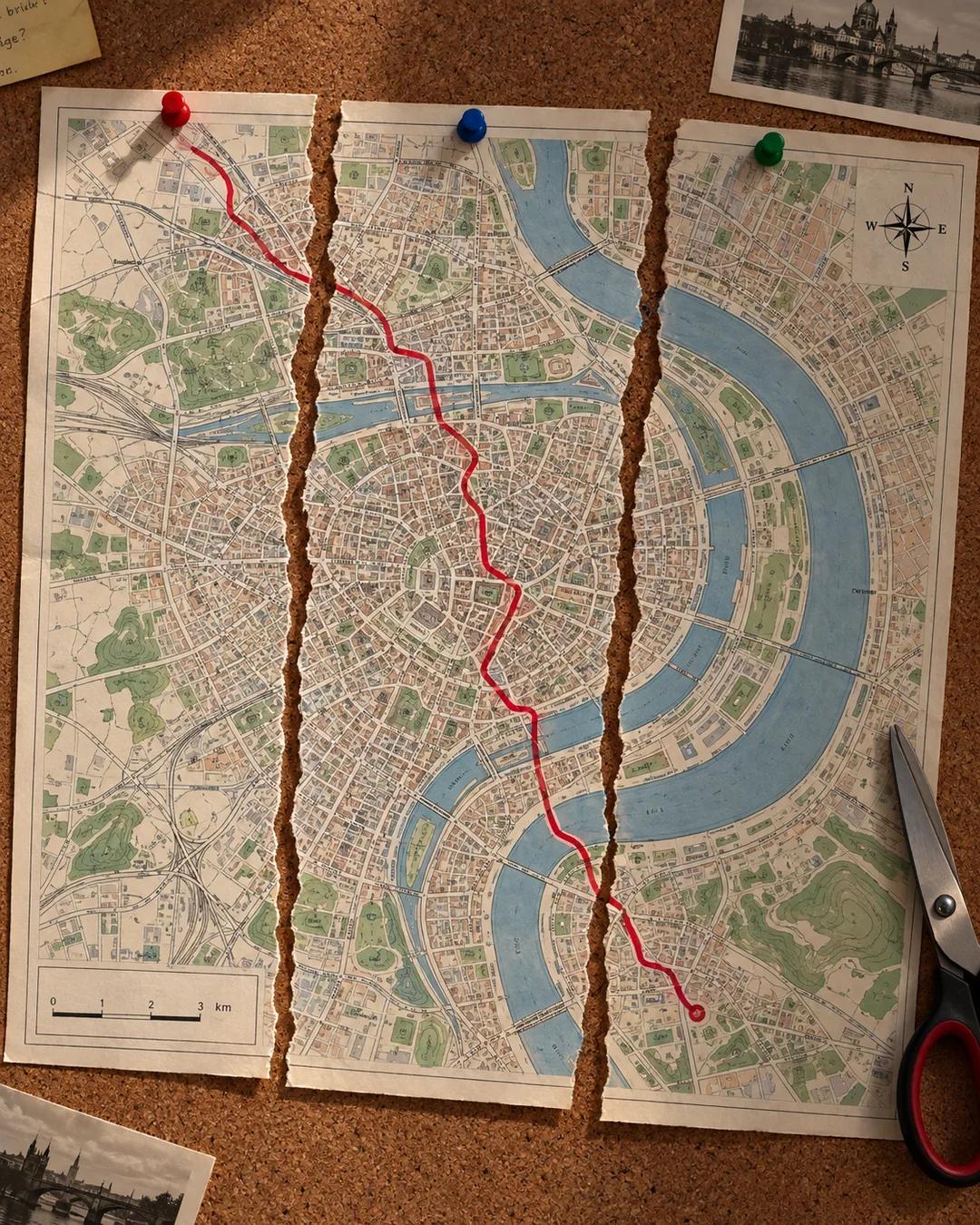

Supporters call the redraw politics. Critics say it weakens the voting power of Black residents and leaves Memphis with less influence in Washington.
A new Reuters analysis looks at Nashville, where the same thing has already happened. In the four years since 2022, Nashville voters have felt the power of minority voters in the state diluted. Before it was redistricted, Nashville received more than $15 million in federal funds, and afterward it received $3 million. Memphis has received almost $56 million in federal funds since 2022.
Reporter David Hood Munyal explained that when a district is split into huge areas, voters in different parts of the state feel they have to compete for that money and for the attention of their representative.
How does splitting a city dilute its votes?
Mapmakers call it cracking: a group of voters concentrated in one place is divided among several districts, so it becomes a minority in each one. No district has enough of those voters to elect the candidate they prefer, even though together they could have won one. The opposite tactic, packing, puts as many of those voters as possible into a single district. In 1986, the Supreme Court's Thornburg v. Gingles decision set out a three-part test for vote-dilution claims under Section 2 of the Voting Rights Act.
How do House members steer federal money home?
Members of the Appropriations Committee write the spending bills that fund federal programs, and every member can lobby them for local priorities. Since 2021, House members have also been able to request community project funding, the modern form of earmarks, for specific local projects. A member whose district centers on one city can press for those projects on behalf of its voters. After the 2020 census, the average House district held about 760,000 people.