Korva is a scroll of the internet’s best ideas.
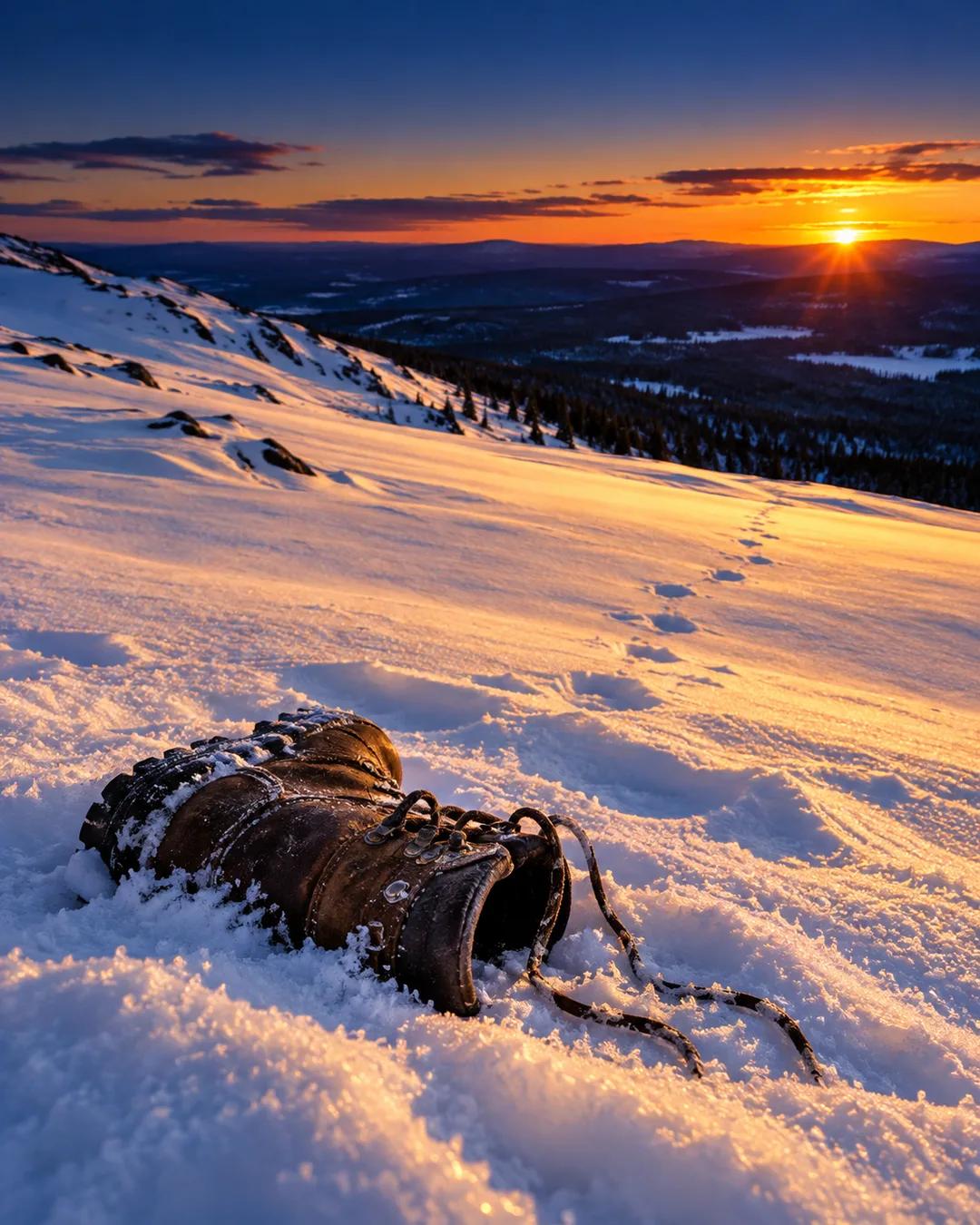
Tent cut open from inside

The search and the tent
It was January 1959, and the group was attempting a level three test, the top credential a Russian mountaineer could earn. They were due to report in by February 12 and never did. At the end of the month, volunteer university students searching for them found the campsite.
The tent stood alone on a bare, windswept slope in what is now called Dyatlov Pass, collapsed, with cold weather gear and pots still inside. Someone had cut it open from the inside out. About 100 feet downhill ran eight or nine sets of footprints, some in a single boot, some barefoot, all at a walking pace.
The bodies
The prints stopped at the edge of a dense little forest, where a big cedar stood over a puny burned-out fire. Two hikers lay dead nearby, and human tissue clung high in the tree, where broken branches showed someone had climbed. Three more bodies lay 100 to 200 feet farther on.
The last four turned up in May, in the remains of a snow den, after the thaw. One man's chest was caved in as if struck by a car at high speed, with almost no marks on his skin. A woman was missing her lips and eyes, another man was missing his eyes, and some of them wore each other's clothes.
The closed file
The investigation shut down quickly. Soldiers and civilians had reported glowing balls of fire over the Urals, and officials concluded only that a compelling force killed the nine before they sealed the file.
Why did investigators blame a compelling force?
The 1959 Soviet inquiry closed with the finding that a compelling natural force had killed the hikers, and it named no specific cause. The case files stayed classified for decades and were opened to the public in the 1990s. Russian prosecutors reopened the case in 2019, and in 2020 they announced that a slab avalanche was the most probable cause.
Why do freezing people sometimes shed clothing?
Doctors call it paradoxical undressing, and it appears in some cases of severe hypothermia. As core temperature falls, blood vessels in the skin that had tightened can suddenly relax, which produces a false sensation of heat. Confusion sets in at the same time, so people may remove clothing in freezing conditions. Rescuers have also found hypothermia victims wedged into small spaces, a behavior called terminal burrowing.
How could an avalanche cut open a tent?
In 2021, Johan Gaume and Alexander Puzrin published a study in Communications Earth & Environment that modeled a delayed slab avalanche. They proposed that snow cut away to level a tent platform, combined with wind-blown snow piling on the slope, could let a slab release hours later. Their simulations suggested that a slab of moderate size could strike the tent with enough force to cause chest injuries.
More from The Joe Rogan Experience