Korva is a scroll of the internet’s best ideas.
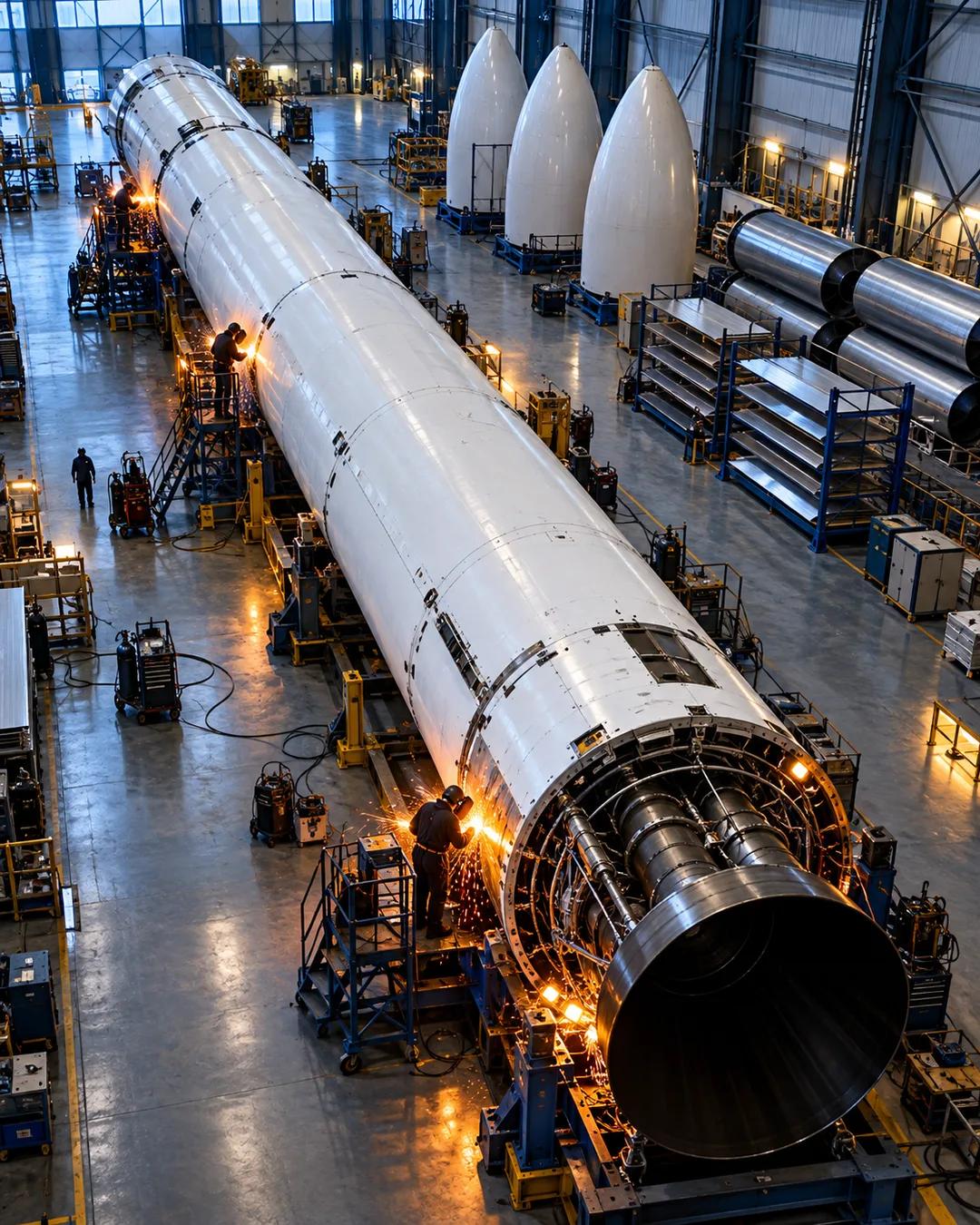
Tesla and SpaceX integrated everything

The Second Industrial Revolution produced vertically integrated monopolies such as Ford and oil companies like Standard Oil. They required complex coordination, with many pieces fitting together in just the right way, and once assembled they held a tremendous advantage. They are capital intensive, and they get built surprisingly rarely today, since it is hard to get people to buy into anything complicated that takes a long time to build.
Elon Musk, who worked at PayPal, built Tesla and SpaceX this way. Neither seems to have rested on a single tenfold breakthrough in battery storage or rocketry. Tesla also brought in the car distributors, which keeps them from taking the money, as has happened across the rest of the US car industry. SpaceX pulled in its subcontractors, whereas large aerospace companies rely on single-source subcontractors that charge monopoly profits and make it very hard for the integrated companies to make money.
How far did Ford take vertical integration?
Ford's River Rouge complex in Dearborn, Michigan, took shape in the 1920s. Iron ore, coal, and sand came in at one end, and finished cars rolled out at the other. Ford ran its own steel mill, glass plant, and fleet of ore ships to feed it. The complex employed tens of thousands of workers at its peak.
Why do single-source suppliers charge so much?
Once a buyer designs a product around one supplier's part, switching is costly, and the supplier knows it. Economist Oliver Williamson called this the holdup problem and argued that it pushes firms to own their suppliers. He shared the 2009 Nobel Prize in economics in part for his work on how firms decide what to make in house and what to buy.
Why do dealers stand between carmakers and buyers?
Many US states have passed franchise laws that limit carmakers from selling directly to customers. These laws grew out of dealers' worries that manufacturers could open their own stores and undercut them. Dealers hold a franchise from the maker and sell its cars under that arrangement.
More from YC Root Access