Korva is a scroll of the internet’s best ideas.
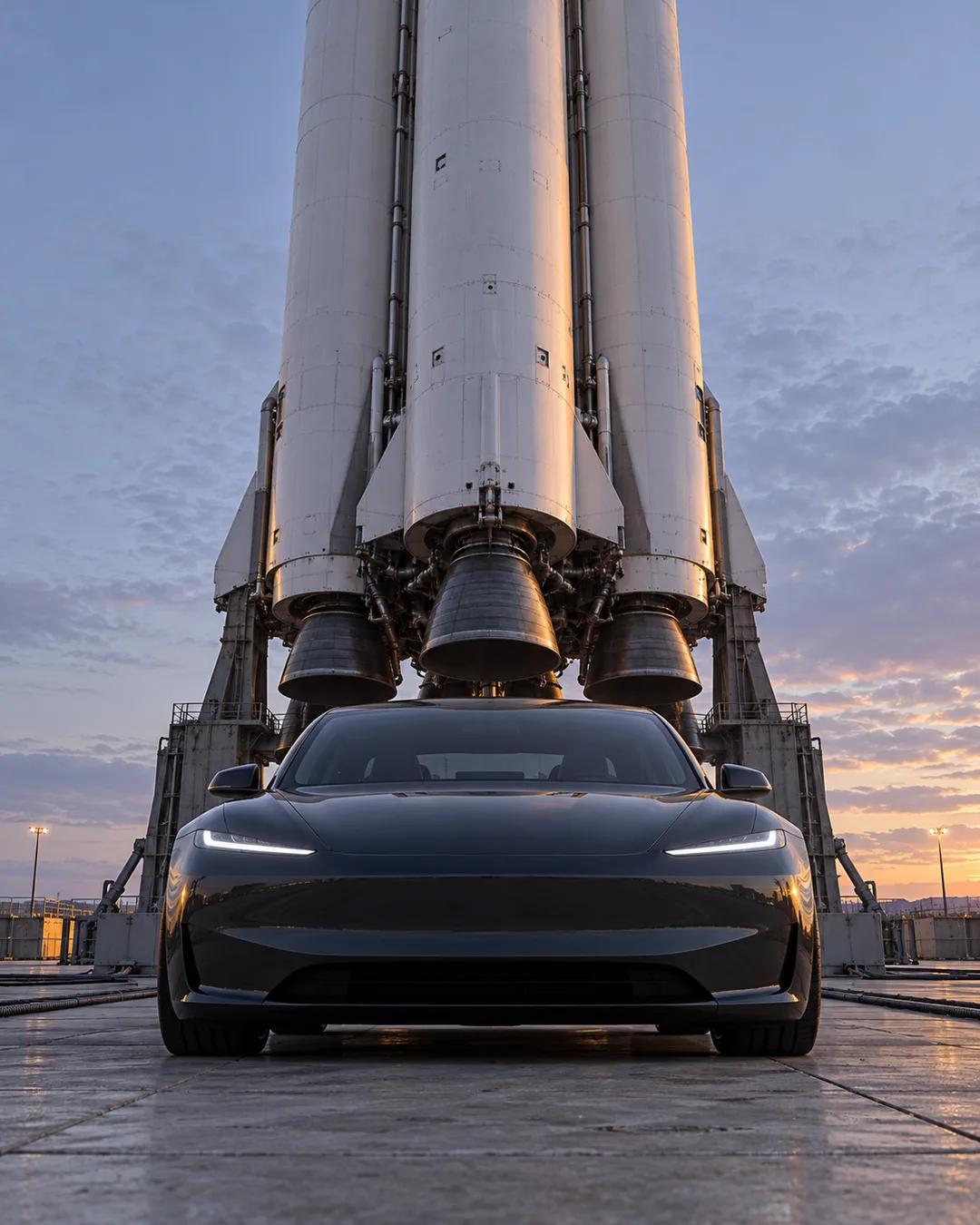
Tesla and SpaceX weigh a merger

What Musk announced
Musk is the chief executive of both companies. He told the call that anyone assuming a merger is a certainty is overstating it, and that he thinks combining them would be a good idea, but the shareholders have to be supportive.
A combined company could bring together the two companies' work on chip design, AI, robotics, and more. Musk already merged his AI startup xAI into SpaceX earlier this year, and analysts have speculated about a Tesla-SpaceX deal because of the significant business ties between them.
Scale and market reaction
Even if shareholders are open to it, a combination would face regulatory scrutiny because of its scale. The two companies have a combined market valuation of roughly $3.5 trillion.
SpaceX shares rose almost 10% in after-hours trading after it reported its first profit as a public company. Tesla reports its latest results after the closing bell Wednesday.
Why form special committees for a merger?
When one person leads both companies, that person sits on both sides of the deal. Boards usually handle this by forming special committees of independent directors, who negotiate for the shareholders and can hire their own advisers. Courts in Delaware, where many large US companies are incorporated, apply their strictest fairness review to deals that involve a conflicted insider. The process a committee follows is one of the main things those courts examine.
Why would regulators review a merger like this?
In the United States, the Hart-Scott-Rodino Act of 1976 requires companies to notify the Federal Trade Commission and the Justice Department before closing a large merger. A waiting period follows, during which the agencies decide whether the deal could reduce competition. Mergers between companies in different industries can still draw review when they join suppliers, customers, or technologies. The agencies can extend the review by requesting more information.
How do two public companies actually combine?
Most public mergers are stock swaps: one company issues its own shares to the other's holders at a fixed exchange ratio. The ratio comes from the relative valuations of the two companies. Each board usually receives a fairness opinion from an investment bank on that ratio, and shareholders of the companies involved vote on the deal.
Why do shares move so much after hours?
Earnings reports usually come after the market closes so investors have time to read them before trading resumes. After-hours trading runs on electronic networks with far fewer buyers and sellers than the regular session. With fewer orders on the books, a single large order can move the price sharply. Prices set after hours often change again when the regular session opens.
More from WSJ What’s News