Korva is a scroll of the internet’s best ideas.
Thanked the judge after losing
The trial
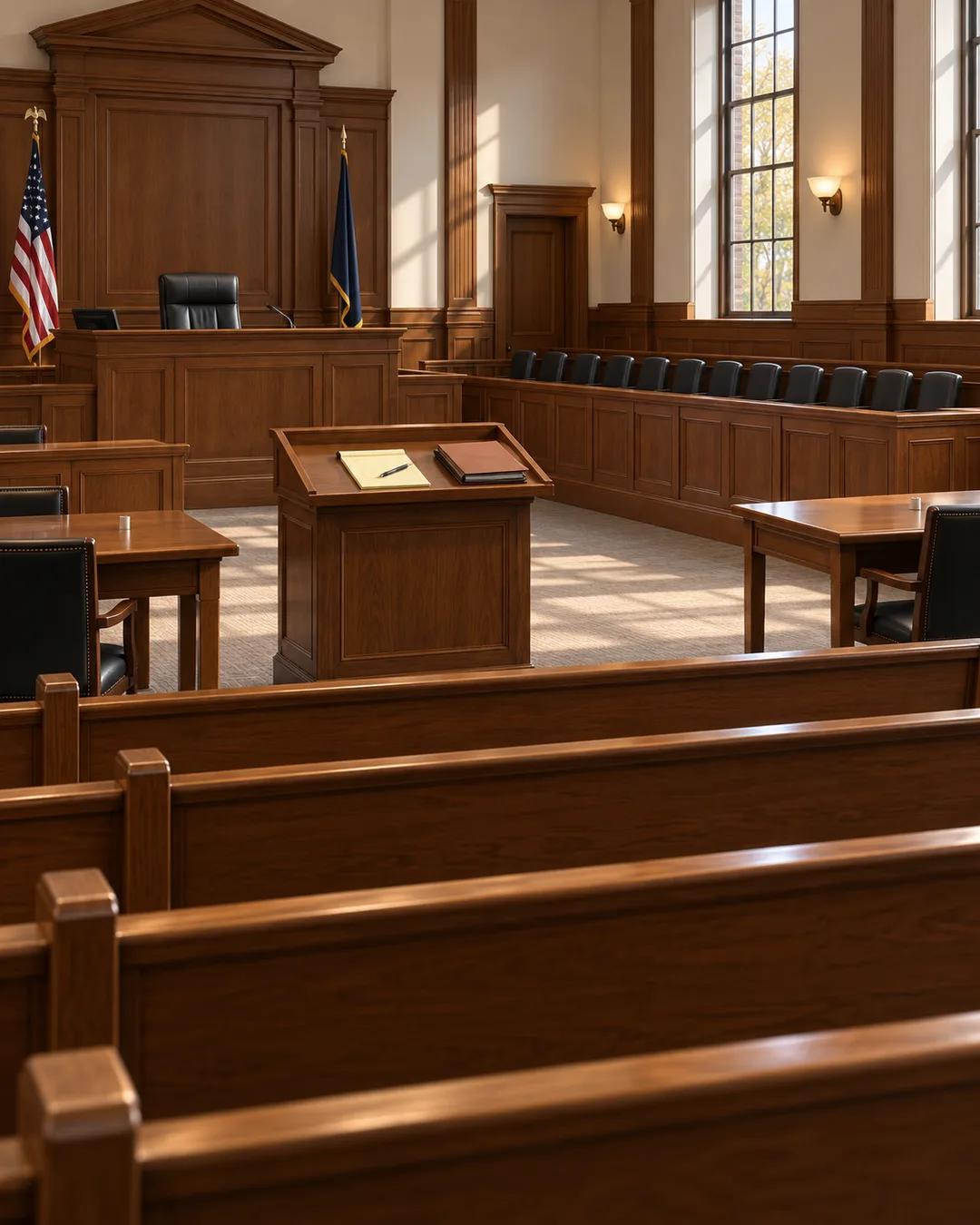
Brian sued the Maryland Department of Health and Mental Hygiene and represented himself, and his trial began in February of 2014. The jury was to decide whether he currently had a mental disorder and, if so, whether he would be a danger to himself or others if released.
The doctors' case
The hospital's chief psychiatrist testified that Brian had a very subtle kind of mental illness that only experienced psychiatrists who had known and studied him for a long time could identify. She had little contact with him and had only ever spoken with him at length once, just before the trial. Another witness, a social worker whose specialty was the educational psychology of deaf children, had reviewed only his most recent medical records.
The jury deliberated for almost two days without reaching a decision. The judge deferred to the doctors, as judges often do in these cases, reasoning that a legal intervention like release would get in the way of Brian's care.
Thanking the judge
The judge told Brian he was perhaps the most consummate gentleman he had ever seen in his courtroom. Brian told the judge it had been a fair trial and thanked him. After years among authority figures who were hostile, who didn't take him seriously, or who handled him as unstable, he had been treated just as the judge would treat anyone else. It was the first time an authority figure had treated him fairly.
Why do judges defer to psychiatrists?
In commitment and release cases, the legal question turns on a medical judgment, so courts lean on expert testimony. The legal scholar Michael Perlin, who has written extensively on mental disability law, has documented a pattern of judicial deference to psychiatric experts in these cases. Judges often reason that they lack the training to second-guess a clinician's view of danger and treatment needs. Perlin has described this as a habit of courts accepting expert conclusions with little scrutiny.
Why does fair treatment matter after losing?
The legal psychologist Tom Tyler studied this in his 1990 book Why People Obey the Law. He found that people's views of courts and police depend more on whether they felt heard and respected than on whether they won. Tyler called this procedural justice. His findings came from interviews with Chicago residents who had dealt with police and courts.
How reliable are predictions of dangerousness?
A famous test came after the 1966 Supreme Court case Baxstrom v. Herold, which moved about a thousand patients out of New York hospitals for the criminally insane into ordinary civil hospitals. Researchers Henry Steadman and Joseph Cocozza followed them and found that very few were violent enough to be sent back to a secure hospital. The result suggested that earlier predictions of dangerousness had been overstated. It became one of the best-known studies in the research on predicting violence.
More from Criminal