Korva is a scroll of the internet’s best ideas.
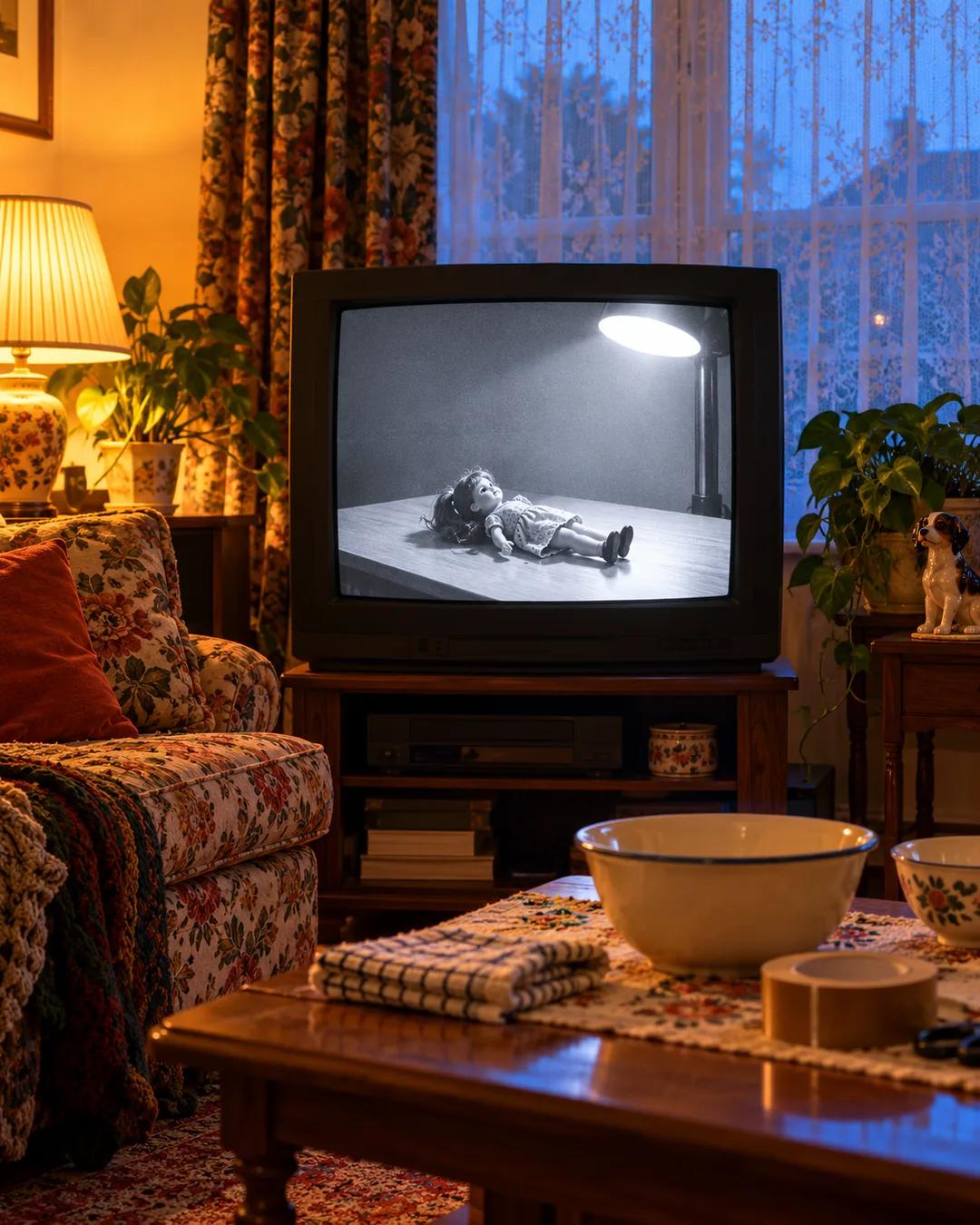
The alien autopsy was filmed in a living room

The cameraman claim
British entrepreneur Ray Santilli claimed to have footage of an alien autopsy filmed after the 1947 Roswell crash, bought from an elderly Army Air Force cameraman. The cameraman he named had died in 1967 without ever serving in the military. Special effects expert Stan Winston told newspapers that the program had misrepresented his conclusion that the footage was an obvious fake.
Fox and The X-Files
Fox aired the program, Alien Autopsy: Fact or Fiction, right before The X-Files, which parodied the film the following year in a comical episode. It set the template for later pseudo-documentaries built around a presumed government cover-up.
The confession
In a 2006 documentary, Santilli admitted the footage was fabricated. Core UFO believers, many of whom still accepted earlier hoaxes like the Aztec crash, had already counted the autopsy as added evidence tying Roswell to extraterrestrials.
Why did The X-Files parody the autopsy film?
The X-Files premiered on Fox in 1993, created by Chris Carter, and built much of its drama on government concealment of alien contact. Its 1996 episode Jose Chung's From Outer Space included a send-up of an alien autopsy. The show was a natural home for that kind of joke because its audience already knew the legend the film claimed to document.
How do effects artists spot a fake creature?
Practical effects artists know how latex, foam, and prosthetics behave on camera, including how they move, fold, and catch the light. Stan Winston, whose studio built creatures for The Terminator, Aliens, and Jurassic Park, worked in exactly that craft. Grainy, dim footage hides those telltale details, which is one reason filmmakers sometimes shoot fakes in a rough, documentary style.
Why did the film travel so fast?
Television networks in many countries aired the footage in 1995, often within weeks of its first broadcast. Cheap, short broadcasts of a single striking film could reach tens of millions of viewers at once, long before social media existed. Newspaper coverage of the controversy then carried it to people who had not watched.
More from en.wikipedia.org