Korva is a scroll of the internet’s best ideas.

The compound's one deepfake model
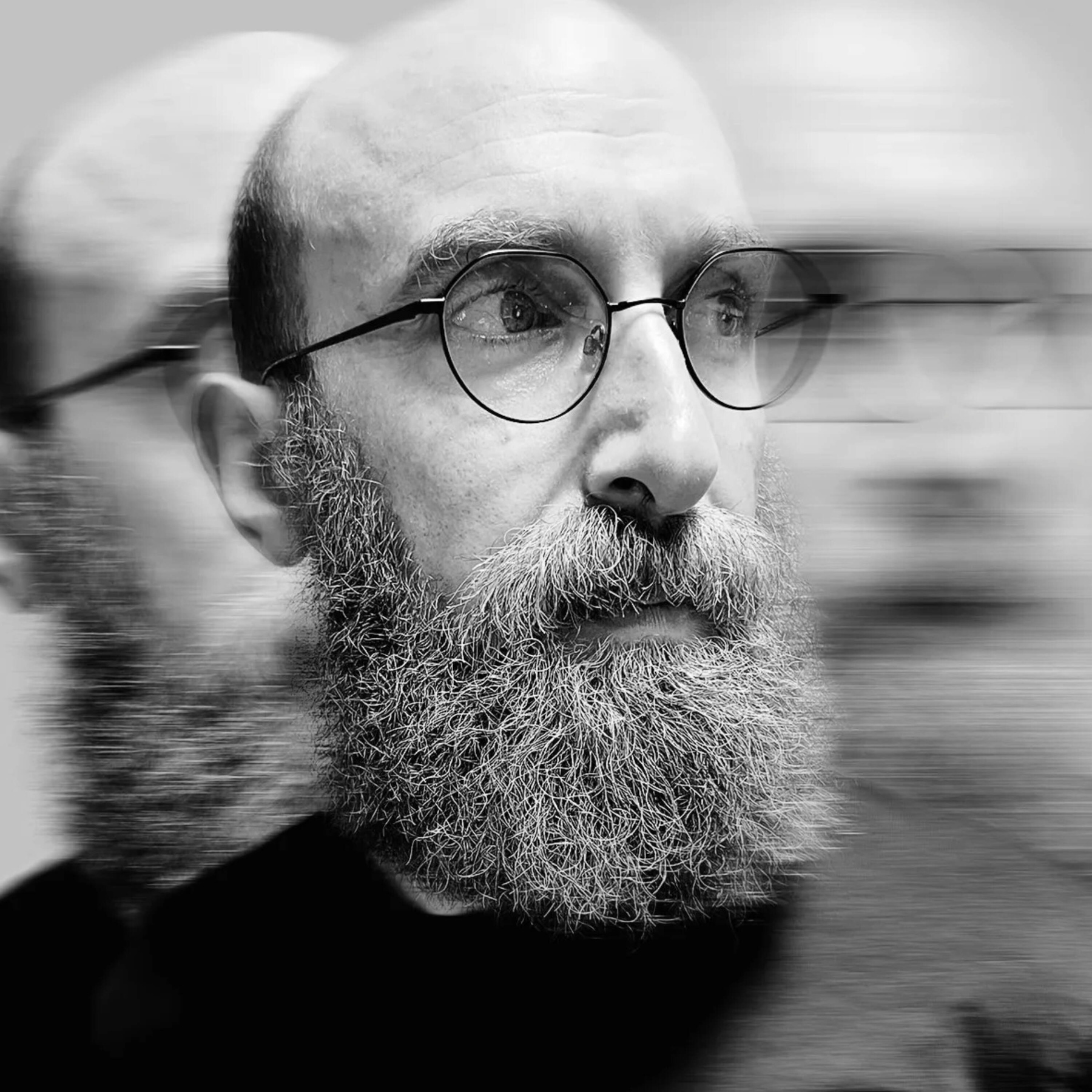
The deepfake model
Victims always want a video call with the person they are falling for, so the bosses told workers to stall with excuses: it's the middle of the workday, they're too tired, anything to delay. Once in a while a call could not be put off. Those calls ran through the model, and deepfake software altered the model's appearance to match whatever photo had first been sent to the victim, so the victim saw exactly the person from the picture.
The software can be very sophisticated, particularly a Chinese program called Hao Tian, but it is not perfect. By the time a video call happened, the victim just wanted to believe it was real, so a flaw looked like a glitch in the internet and the bait was taken.
Chatbots do the rest
Chatbots handled the rest. Everyone in the compound was trained to use ChatGPT and the Chinese chatbot DeepSeek to come up with new topics of conversation, polish their language, and find inspirational poetry and the perfect phrase to say good night in a way that left the victim with a good feeling.
How does live face-swapping work on video calls?
Face-swap software tracks the landmarks of a real person's face, such as the eyes, mouth, and jaw, and redraws them frame by frame using a neural network trained on photos of the target. Running it live requires a fast graphics processor, which is why it became practical on ordinary computers only in recent years. The term deepfake comes from a Reddit user who posted face-swapped videos in 2017.
Why do small glitches fail to break the illusion?
Video calls routinely stutter and pixelate, so a glitch has an ordinary explanation. Communication researcher Timothy Levine's truth-default theory holds that people assume others are honest unless something strongly signals otherwise. A 2006 meta-analysis by Charles Bond and Bella DePaulo found that people tell truths from lies only about 54 percent of the time.
How do chatbots help scammers write convincingly?
Language models produce fluent text in dozens of languages, so a worker with limited English can send messages with native-level grammar. They can also generate topics, compliments, and tone on demand, which keeps a long conversation moving. A 2024 report from the UN Office on Drugs and Crime described organized crime groups in Southeast Asia adopting generative AI and deepfake tools to scale up fraud.
More from Fresh Air