Korva is a scroll of the internet’s best ideas.
The dumbest idea became eBay
The Garage Sale Site
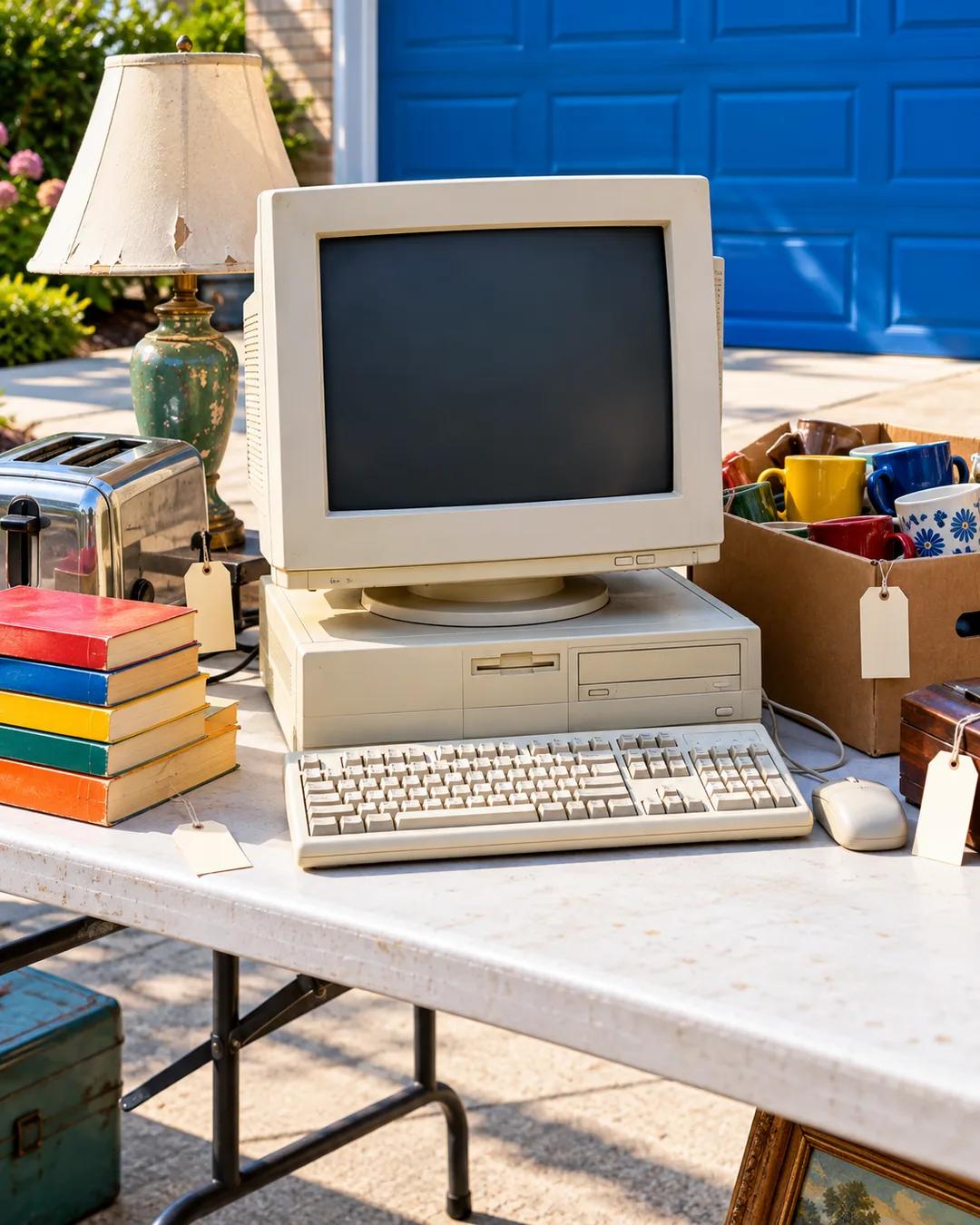
People listed things lying around that they no longer wanted, and other people bid for them. Pierre called the site AuctionWeb, showed it to his colleagues, and asked for their help. He floated the possibility that General Magic might invest.
One colleague's reply was typical: it was the dumbest idea he had ever heard, since strangers would never trust each other on the internet. Lots of luck, not interested, have fun. The idea was eBay, and it made Pierre Omidyar a multi-billionaire.
Looking Past the Web
An intern had already told the company that everything was about the web and that they were missing it. They knew about the web and had easy excuses to look past it. Partner AT&T was building its own private network, where Magic Link owners could buy theater tickets. General Magic's graphical interface was a rich, interactive multimedia world, and the mid-1990s web was mostly pages of text linking to other pages of text.
Porat, who had coined the phrase information economy, dismissed the web as passive, something the company could do without.
How did eBay's feedback system build trust?
Omidyar added a feedback system in 1996 that let buyers and sellers leave public ratings after each trade. Every rating stayed attached to a username, so a seller with a long clean record held something a new account lacked. Economists later put it to the test: in a 2006 field experiment, Paul Resnick and colleagues found that an established seller earned higher prices than a newcomer selling the same goods.
Why did a broken laser pointer sell on AuctionWeb?
Omidyar's first auction in 1995 was a broken laser pointer, which he listed at $1 expecting no one to want it. It sold for $14.83. When he emailed the winner to confirm that the item was broken, the buyer replied that he collected broken laser pointers.
Why was the mid-1990s web mostly text?
Most home users connected over dial-up modems running at 14.4 to 28.8 kilobits per second. A large image that loads in a blink today took minutes on those connections, so pages stayed lean. The Mosaic browser, released in 1993, had only just popularized images shown inside the page. Netscape Navigator followed in 1994.
More from Cautionary Tales with Tim Harford