Korva is a scroll of the internet’s best ideas.
The flywheel diagram wasn't Walt's napkin

Where it came from
The article was titled Disney's Land, Walt's Profit Formula: Dream, Diversify, and Never Miss an Angle, and the word flywheel never appears in it. It carries Roy Disney's description of the model: integration is the key word, and nothing is done in one line without a thought to its likely profitability in the others.
Sleeping Beauty
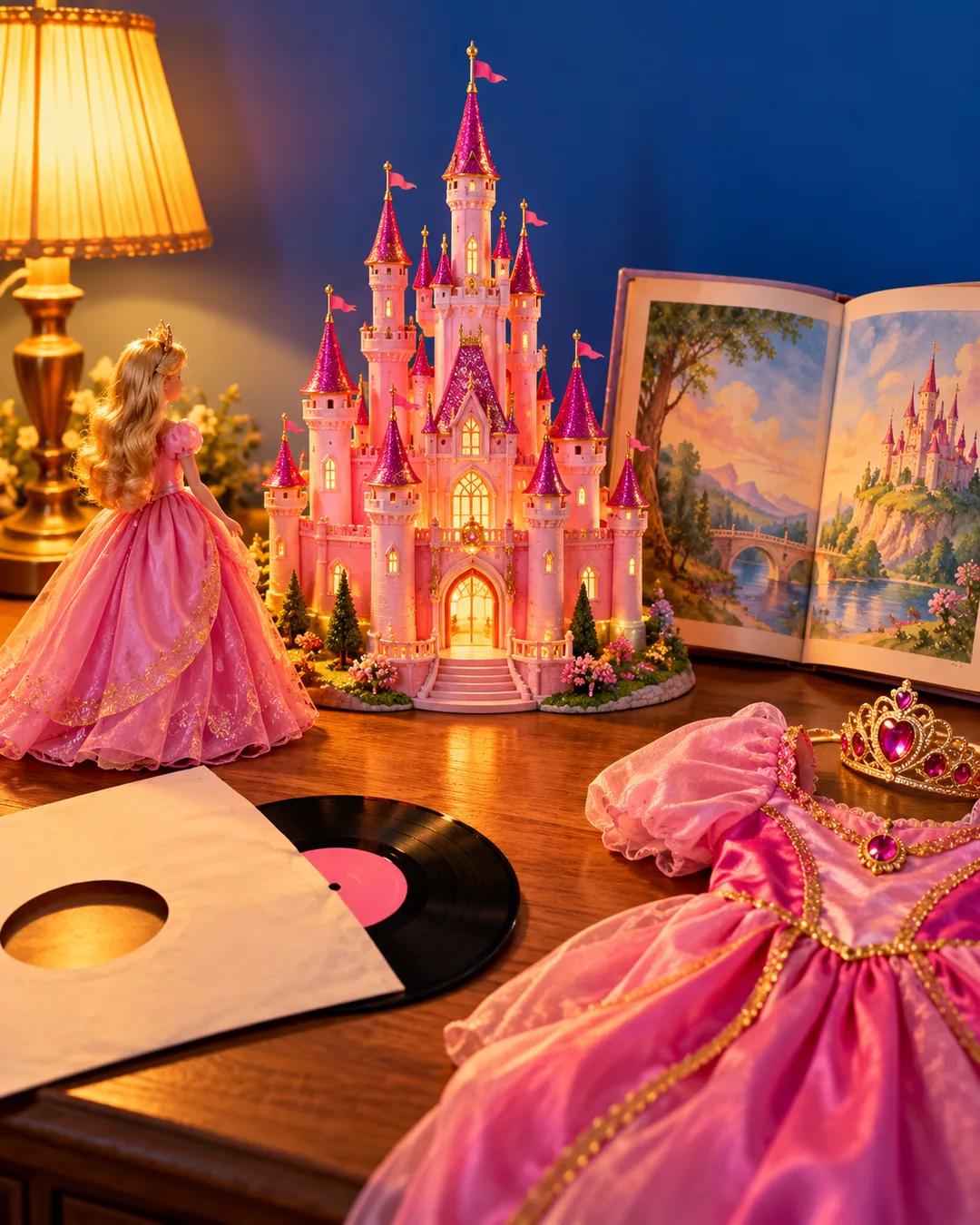
It illustrated the idea with Sleeping Beauty, which was still a year from release. Sleeping Beauty Castle was already the centerpiece of Disneyland, built from concept art for a movie that would not come out for four years. The park had animated dioramas of the film for a 35 cent admission fee. Disney was making Princess Aurora dolls and costumes, publishing books of its version of the fable, running Sleeping Beauty segments on the Disneyland TV show, and preparing a soundtrack album to go on sale before the movie opened. Aurora comics were starting to appear in a syndicated strip.
Color TV
The article also revealed that Disney was intentionally making its TV shows in color while sets were still black and white, betting that color TVs were coming and that the content would stay valuable for decades.
What happened when Sleeping Beauty opened?
The film cost roughly $6 million, the most Disney had spent on an animated feature to that point. Its 1959 release underperformed and led to staff cuts at the studio. It later became one of the studio's best-loved films through reissues. Its score adapted music by Tchaikovsky.
How did color TV pay off for Disney?
NBC began color broadcasts in 1953, after the FCC approved a color standard. In 1961 Disney moved its show to NBC as Walt Disney's Wonderful World of Color. NBC was owned by RCA, which sold color sets. Disney's color episodes were suited to the new format.
Who made the flywheel idea famous?
Business author Jim Collins popularized the flywheel metaphor in his book Good to Great, published in 2001. He described it as a heavy wheel that gains speed with each push. Companies adopted the word for self-reinforcing growth. The Disney diagram is often linked to the idea in later years.
More from Acquired