Korva is a scroll of the internet’s best ideas.
The happiest people won't be rushed

The man who stayed seated
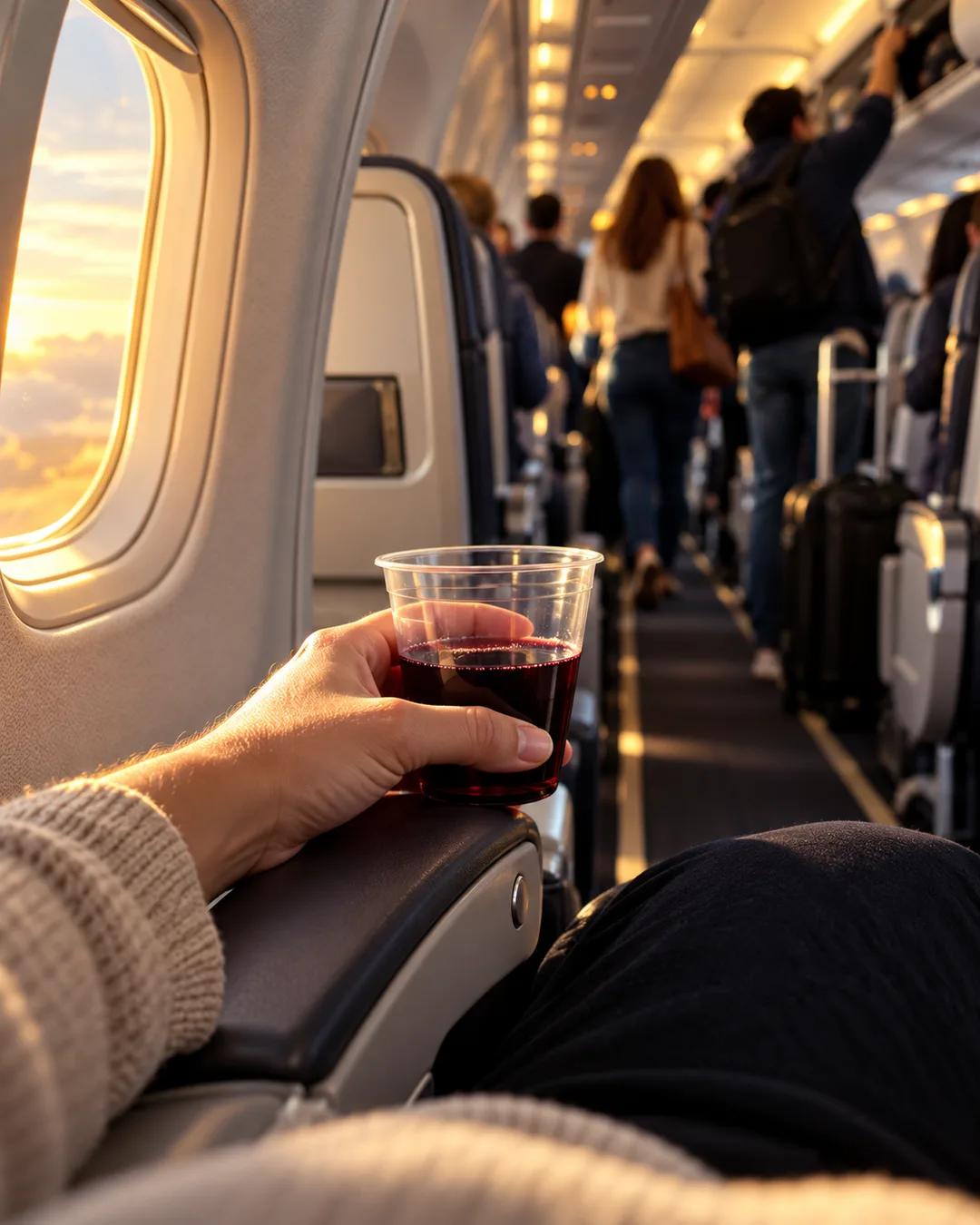
A plane lands, and everyone leaps up to grab their bags as fast as possible. One man stays in his seat, sipping the last of the bad red wine from a plastic cup. He is flying home from his 60th high school reunion. When the passenger beside him offers to lift down his bag, he shakes his head and smiles: "I never understood the rush. We're all going to the same place, after all."
The passenger assumes he means baggage claim. Walking out of the airport, he realizes the phrase "the same place" meant something larger than that, and that the man was in no rush to beat anyone to it.
Why rushing costs agency
The world wants people to rush decisions, conversations, relationships, and timelines. Each time they give in, they give up a little agency, until the pen writing their life belongs to someone else. In a world built around rushing, being present is the ultimate act of rebellion.
The small things give slow people away. They let other drivers go ahead of them in traffic, greet the workers at a coffee shop, and look up from their phones instead of down at them. Their urgency, when it comes, is their own choice.
Why does everyone stand up the moment a plane lands?
Passengers usually stand while the seat belt sign is still lit, even though planes unload from the front row to the back. Anyone seated in the middle of the cabin has to wait for every row ahead to clear, so standing early rarely changes the exit time much. Airlines have long asked passengers to stay seated until the aircraft reaches the gate. The habit persists because each person who stands makes the people around them feel they are falling behind.
How does a feeling of scarcity make people rush?
Economists Sendhil Mullainathan and Eldar Shafir argued in their 2013 book Scarcity that having too little of something, including time, captures attention. The mind locks onto the shortage and gets better at urgent tasks right in front of it. The same focus crowds out planning and attention to anything outside the shortage. Their research drew on studies of busy professionals as well as people short on money.
Why do deadlines feel urgent when no one enforces them?
Behavioral researchers have found that people treat even arbitrary deadlines as real, and they feel the pressure well before any consequence arrives. In a 2002 study by Dan Ariely and Klaus Wertenbroch, students who set their own deadlines for papers did better than those with none, though not as well as those given evenly spaced external deadlines. A date on the calendar changes how a task feels long before the date itself comes. That is why a manufactured deadline can set the pace of a whole day.
More from Curiosity Chronicle