Korva is a scroll of the internet’s best ideas.

The hole in the heart stays
Early grief
In the beginning, the emotions can't be contained, and a family can be crying together all the time. As the months go on, each person has their own moment, and the rest grab hold of them and help them through it.
The ambush
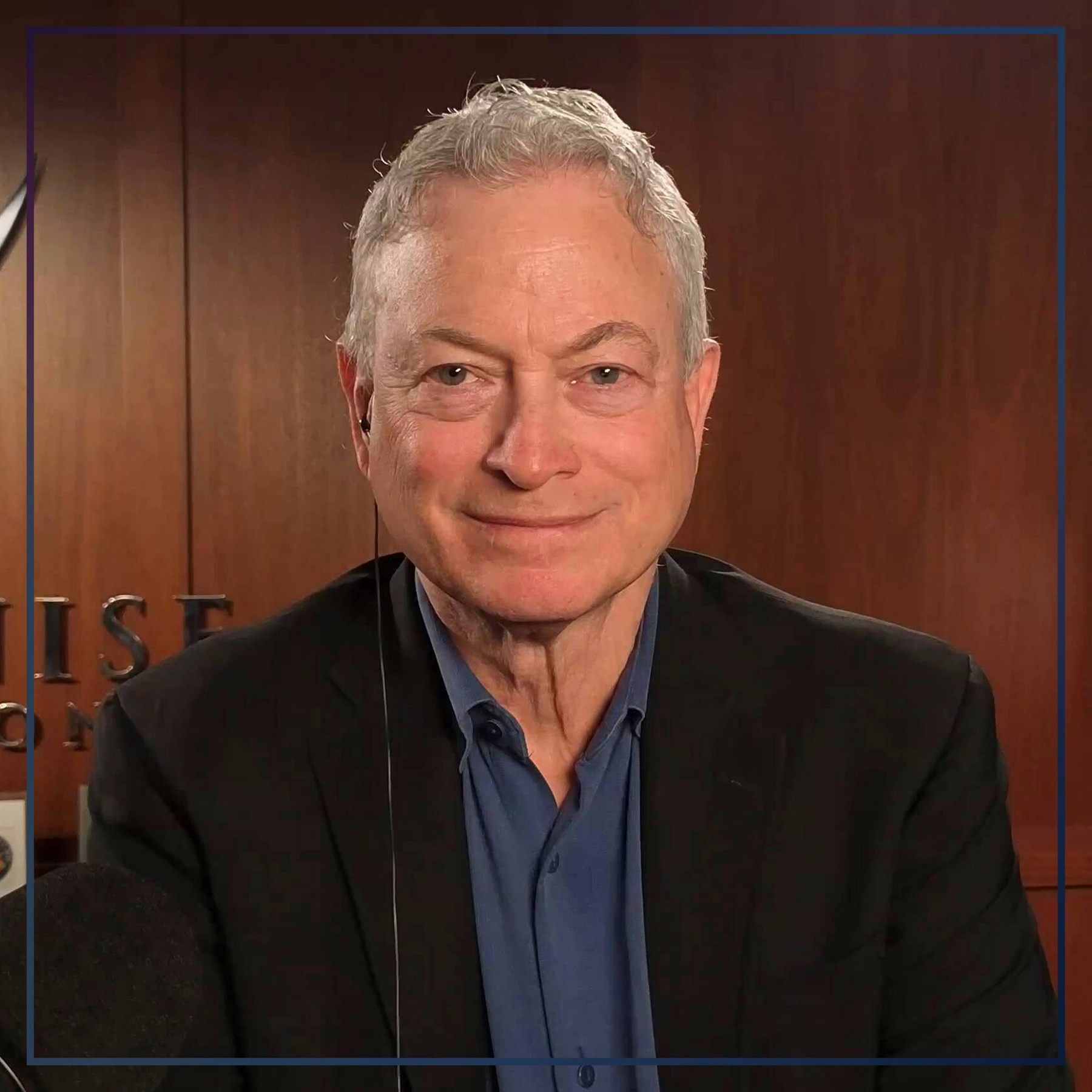
Later the feeling arrives without warning. Gary Sinise, whose son Mac died of cancer in January 2024, was in church one day when he suddenly pictured Mac sitting right beside him, and it overwhelmed him. The missing loved one is there every minute of the day, and the feeling jumps out when nobody expects it.
Keeping him present
The pain, the sadness, and the longing to see that person again never go away. The father keeps Mac very present by working on music and other projects tied to his son every day.
Why does grief arrive without warning?
Memory is tied to context, so a place, a routine, or a seat beside you can bring back a person in an instant. Psychologist Mary-Frances O'Connor of the University of Arizona argues in her 2022 book The Grieving Brain that the brain keeps a map of a loved one as always nearby. Updating that map to say the person is gone takes a long time, and cues can set off the old expectation. A familiar setting such as a church pew can carry many of those cues at once.
Why does grief ease without ever ending?
New Zealand bereavement counselor Lois Tonkin described this in a 1996 paper called Growing Around Grief. She proposed that grief stays the same size over time while a person's life grows larger around it. The loss is not shrunk or replaced. It becomes one part of a bigger life.
Why do family members grieve at different times?
Researchers Margaret Stroebe and Henk Schut proposed the dual process model in 1999. It describes mourners swinging back and forth between confronting the loss and handling daily life, with each person on their own rhythm. Because the swings are not synchronized, one family member can be steady while another is at the lowest point. The model has been widely used in bereavement research since.
More from All There Is with Anderson Cooper