Korva is a scroll of the internet’s best ideas.
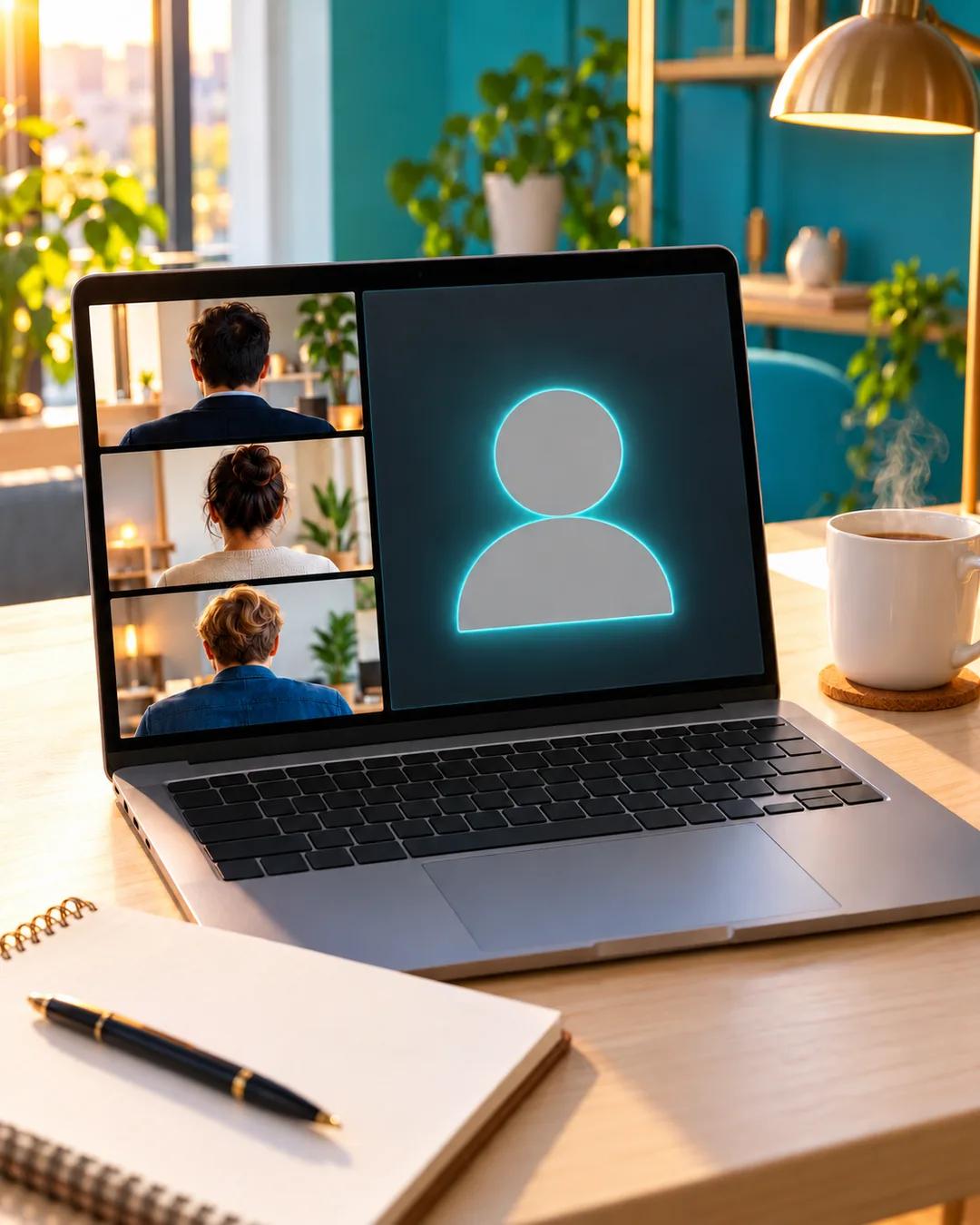
The job candidate who didn't exist

The applicant who wasn't real
Arena, the platform that ranks AI models, was hiring an infrastructure engineer. One applicant looked perfectly normal, passed the technical interviews, and was interviewed by the company's own world-class engineers, who took the person for real. At the end of the process, the hire turned out to be vaporware. The applicant was AI.
Who sent it and why
Nobody knows who sent the applicant, and it could be anyone, from a rival company to a nation state. The motive could be access to the company's data and code, or a double paycheck, like the man who went viral about a year ago for holding four jobs at once. Fake people are applying to companies everywhere, and Arena is far from the only target.
Moving onboarding in person
Arena is considering moving all of its onboarding in person. Anyone who wants a laptop has to come to the office, shake hands, and prove they are real. Figma already works this way.
How can an AI pass technical interviews?
Language models now solve standard coding problems at a high rate. OpenAI researchers introduced the HumanEval benchmark in 2021 to measure exactly that, and scores on it have climbed steadily since. Many interviews run over a video call or in a shared code editor, where a model can read each question and draft an answer in seconds. Real-time face-swapping software is freely available and runs on a consumer graphics card.
Why does in-person onboarding stop fake hires?
Meeting someone face to face ties the identity documents, the face, and the person who will receive the laptop together in one room. In the United States, employers complete Form I-9 to verify each new employee's identity and work authorization, and for decades that meant examining the original documents in person. A remote process has to rebuild that link with video calls and uploaded scans, which software can imitate. The I-9 requirement dates to the Immigration Reform and Control Act of 1986.
How can one person hold four jobs?
Remote work grew sharply after 2020, and many remote roles are judged by what gets delivered rather than by hours spent in an office. Employers do not see one another's payrolls. Each reports wages to the IRS on its own W-2 form, and the forms are only compared once a tax return is filed. In the United States, an employee can legally hold more than one job unless a contract bars it.
More from 20VC with Harry Stebbings