Korva is a scroll of the internet’s best ideas.
The milkshake's morning job

Watching the buyers
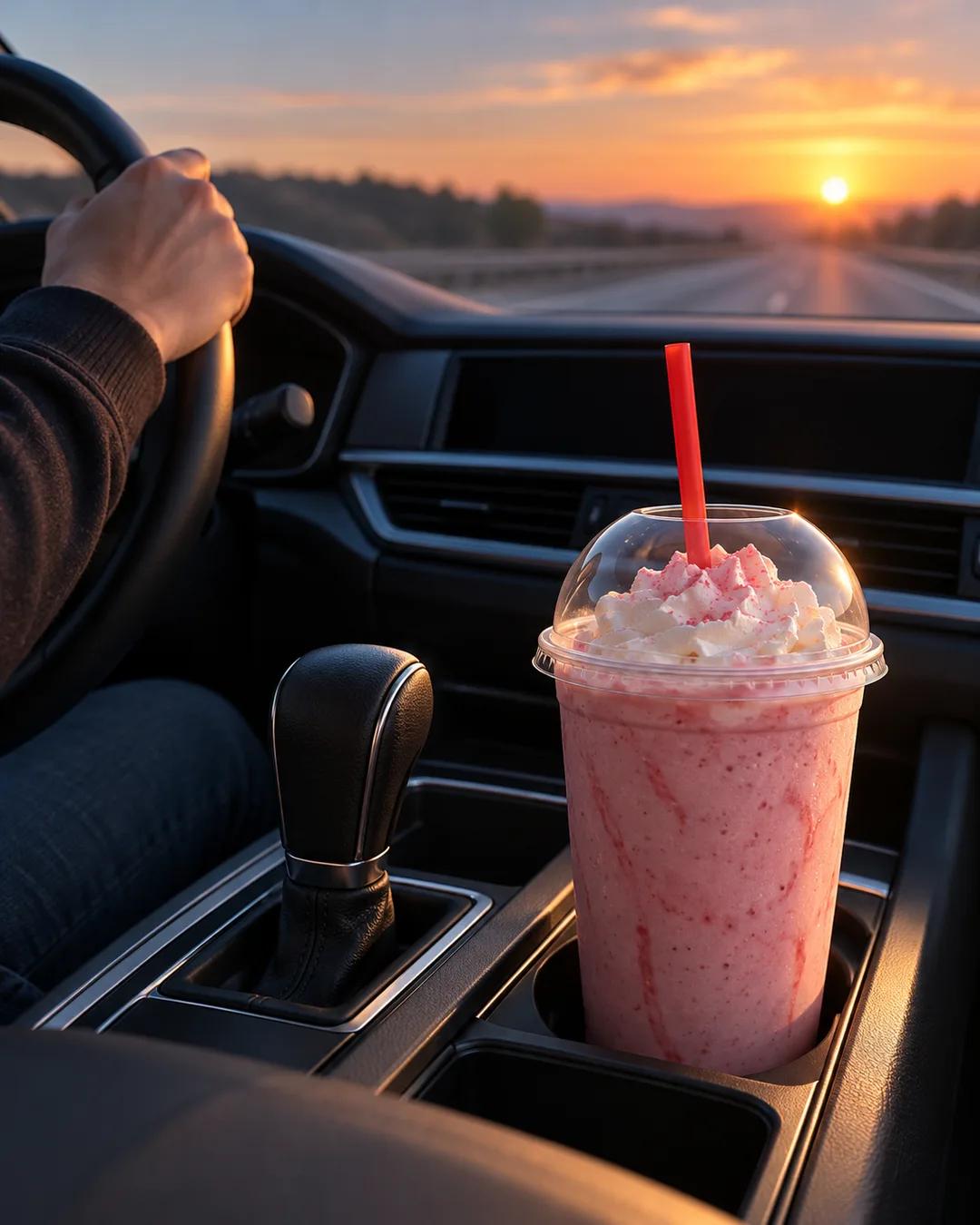
So a researcher spent 18 hours in one restaurant, noting what time each milkshake sold, what the buyer wore, whether they were alone, whether they bought anything else, and whether they ate inside or drove off. About half the milkshakes sold before 8:30 in the morning. Those buyers were alone, bought nothing else, and left in their cars.
Rivals for the job
Asked outside the door what job they had hired the milkshake to do, they all described the same long, boring drive to work: one hand on the wheel, nothing to do with the other, not hungry yet but certain to be by 10:00. Their other attempts had failed. A banana was gone in under a minute and left one driver hungry by 7:30. Donuts smeared cream on clothes and left gooey fingers on the wheel, bagels were dry and meant steering with the knees while spreading cream cheese, and a Snickers bar brought so much guilt that one driver never bought another.
Why the milkshake won
The milkshake won because a thin straw takes about 23 minutes to get through it, it stays in the stomach all morning, and it fits in the cup holder. Its real competitors were bananas, donuts, bagels, Snickers bars, and coffee. In the afternoon, parents hired the same milkshake for a different job: a sweet, uncluttered stretch of time to talk about whatever was on their child's mind.
Why do customers miss their own buying reasons?
People are good at describing a product's features and poor at explaining what actually drove a choice. In a 1977 review, psychologists Richard Nisbett and Timothy Wilson found that people often cannot accurately report the causes of their own behavior and instead offer plausible-sounding reasons. A survey about a milkshake's thickness or flavor invites exactly that kind of answer. Watching what people do and when they do it records the behavior itself.
How does a thick shake last 23 minutes?
A milkshake is a dense, viscous mixture of ice cream and milk, and pulling it up a narrow straw takes steady suction. The flow rate depends heavily on the straw's diameter, because a narrower tube resists thick liquids far more than a wide one. A thin straw therefore turns a few ounces of drink into a long, slow task. Dense, high-fat food also leaves the stomach more slowly than thin liquids do.
Where did the idea of hiring a product come from?
The framing echoes a line often attributed to Harvard marketing professor Theodore Levitt: people don't want a quarter-inch drill, they want a quarter-inch hole. His point was that buyers purchase a result, and the product is only the means. Clayton Christensen later built this into a theory of innovation that he called jobs to be done. The milkshake case became its best-known illustration.
More from Talks at Google