Korva is a scroll of the internet’s best ideas.
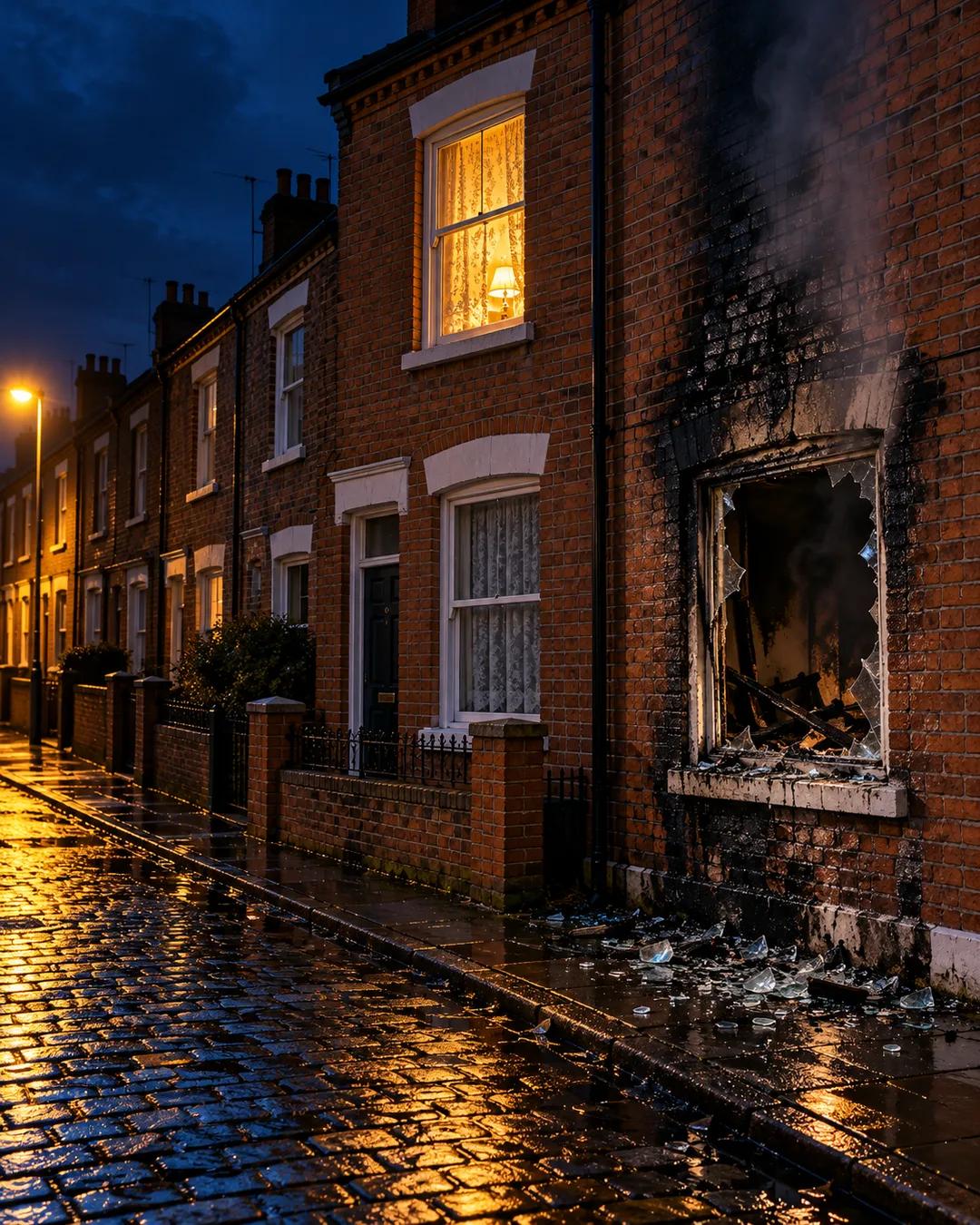
The petrol bomb hit the wrong house

The wrong house
The UVF men had picked a Catholic-owned pub just off the Shankill Road, telling each other that loads of Republicans drank there. The bomb went through the window of the house next door instead. It belonged to Matilda Gould, 77, who was bedridden with severe arthritis and could not get out of bed. She was horribly burned and died seven weeks later, and many accounts count her as the first modern victim of the Troubles.
War declared
The mistake did not slow them down. Two weeks later the UVF issued a statement declaring war on the IRA and its splinter groups, promising that known IRA men would be executed without hesitation, and warning the authorities to make no more speeches of appeasement.
The second victim
On 27 May the same men met in a pub to plan their next attack. They settled on Leo Martin, a Republican activist with IRA links, and went off to the Falls Road to find him. They could not find him. On the way back they met John Patrick Scullion, 28, who had spent the evening in a pub singing Republican songs, and they decided he would do. They stabbed and shot him, and two weeks later he died in hospital, the second victim.
How did Stormont respond to the UVF?
Prime Minister Terence O'Neill's government banned the UVF on 28 June 1966, days after the Malvern Arms shooting. It used the Special Powers Act of 1922, which let the government outlaw organizations by order. The same act had long been used against the IRA.
Why is a petrol bomb called a Molotov?
The name comes from the Winter War between the Soviet Union and Finland in 1939 and 1940. Soviet foreign minister Vyacheslav Molotov claimed that Soviet planes were dropping food parcels, not bombs, on Finland. Finnish soldiers mocked him by calling their improvised firebombs Molotov cocktails, a drink to go with the food. The petrol bomb itself needs only a bottle, fuel, and a rag, which made it a weapon of choice in street disturbances for decades afterward.
More from The Rest Is History