Korva is a scroll of the internet’s best ideas.
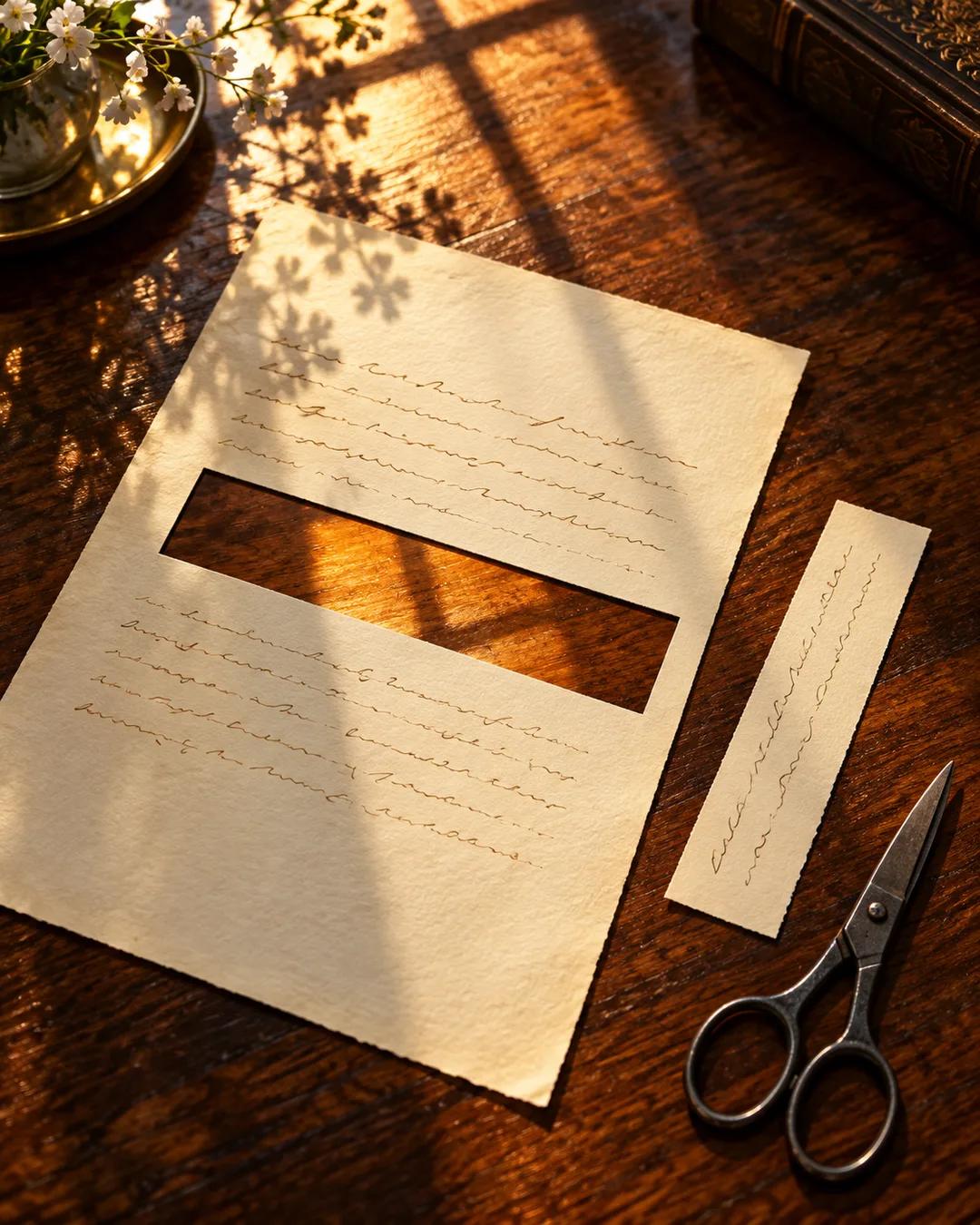
The slave trade passage Congress cut

What the passage claimed
As history, the passage is not very accurate. What matters is what it claims: that the king violated the rights and liberties of a distant people. A clause that recognizes rights and liberties in people far from the colonists, people different from them, treats those rights as belonging to them too.
The usual reading
Read alongside the second paragraph, the meaning of that clause changes. Students and the public love to ask what all men are created equal meant. Did it include women, enslaved people, or Indigenous people? The common answer is no, which makes the line a limiting statement.
The opposite reading
The deleted clause points the other way. If the same text recognizes the rights of a distant people, the rights named in the second paragraph read as universal. The Declaration is a more powerful document read that way.
Why did Congress strike the slave trade passage?
Jefferson later wrote in his autobiography that delegates from South Carolina and Georgia objected to the passage. He added that some northern delegates were also uneasy, because their own merchants had carried enslaved people. Congress removed it during its edits from July 2 through July 4, 1776. Jefferson wrote that account in 1821.
How much of Jefferson's draft did Congress cut?
Historians who compare his draft with the final text find that Congress removed roughly a quarter of what Jefferson submitted. It also changed wording elsewhere. Jefferson was irritated by the editing, and he later circulated copies of his original draft to friends. The committee that produced the draft included Benjamin Franklin, John Adams, Roger Sherman, and Robert R. Livingston.
Why blame the king for the slave trade?
The crown had long backed the trade. Charles II chartered the Royal African Company in 1672, and it held a monopoly on English trade in enslaved Africans for years. Virginia's assembly passed duties meant to curb imports of enslaved Africans several times in the 1700s, and the crown struck them down. Jefferson was drawing on that record.
More from Joys of Compounding