Korva is a scroll of the internet’s best ideas.
They believed a man surfed down

Weeks at the site
Eric Shawn came to the site that night, worked 12-hour shifts, and reported from there for weeks, probably into November. He had covered war and been in active war zones, and he thought of this as a war zone too. Nobody had been prepared for it.
Dust and smell
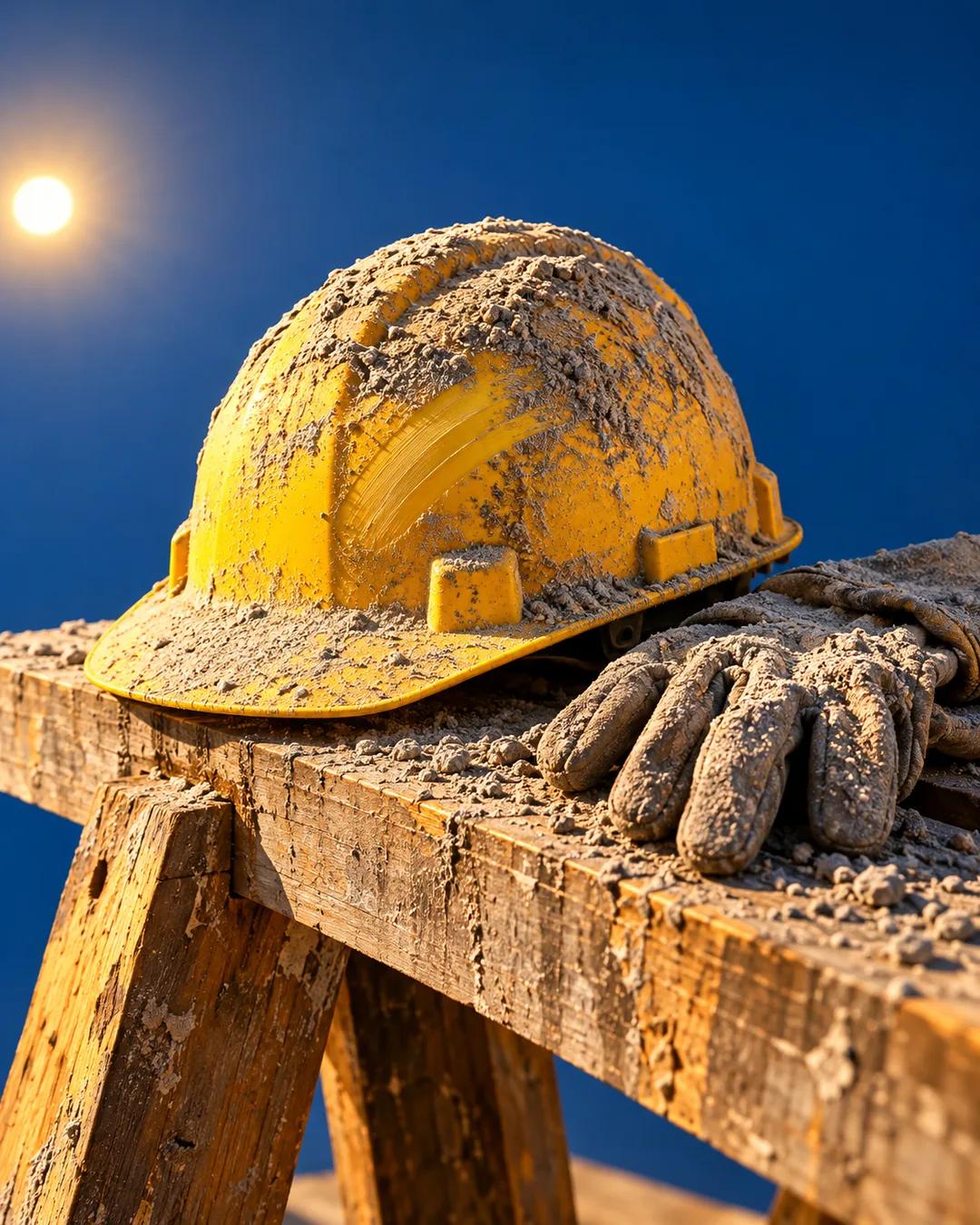
The dust was overwhelming. The smell was a metallic, acrid one, like eating tinfoil, with a bitter metal taste that stays with him.
Reports from the pile
For the first few days, construction workers, firefighters, and police officers would come out of the pile and report that they had found three people here, or some people there. Apart from a small group who came out from under the survivors' staircase, there were no survivors. The idea that people could be vaporized was beyond imagination, so a report of a man who surfed down the building sounded possible.
Why do false rumors spread after disasters?
Sociologist Tamotsu Shibutani described rumor in his 1966 book Improvised News as a collective effort to make sense of an ambiguous situation. When official information is missing and the event matters a great deal, people pass along whatever fits, and accounts shift as they travel. Disasters produce a steady stream of such stories, including tales of miraculous survival. Shibutani's book is still a standard reference on the sociology of rumor.
How long did rescuers keep finding survivors?
Rescuers pulled about 20 people from the debris alive. The last known survivor, Genelle Guzman-McMillan, a Port Authority employee, was pulled from the rubble about 27 hours after the collapse. The search continued for weeks, and no one else was found alive.
Why did the pile burn for months?
Fires smoldered within the pile for 99 days, and the last was declared out on December 19, 2001. Voids in the compacted debris let air reach burning material deep below, where water from hoses could not easily reach. Crews had to dig the pile apart to get at the hottest spots. In mid-September, US Geological Survey flights using NASA's airborne imaging spectrometer measured hot spots on the surface above 1,000 degrees Fahrenheit.
More from Fox News Rewind: Financial Crisis '08