Korva is a scroll of the internet’s best ideas.
They were working on a fix
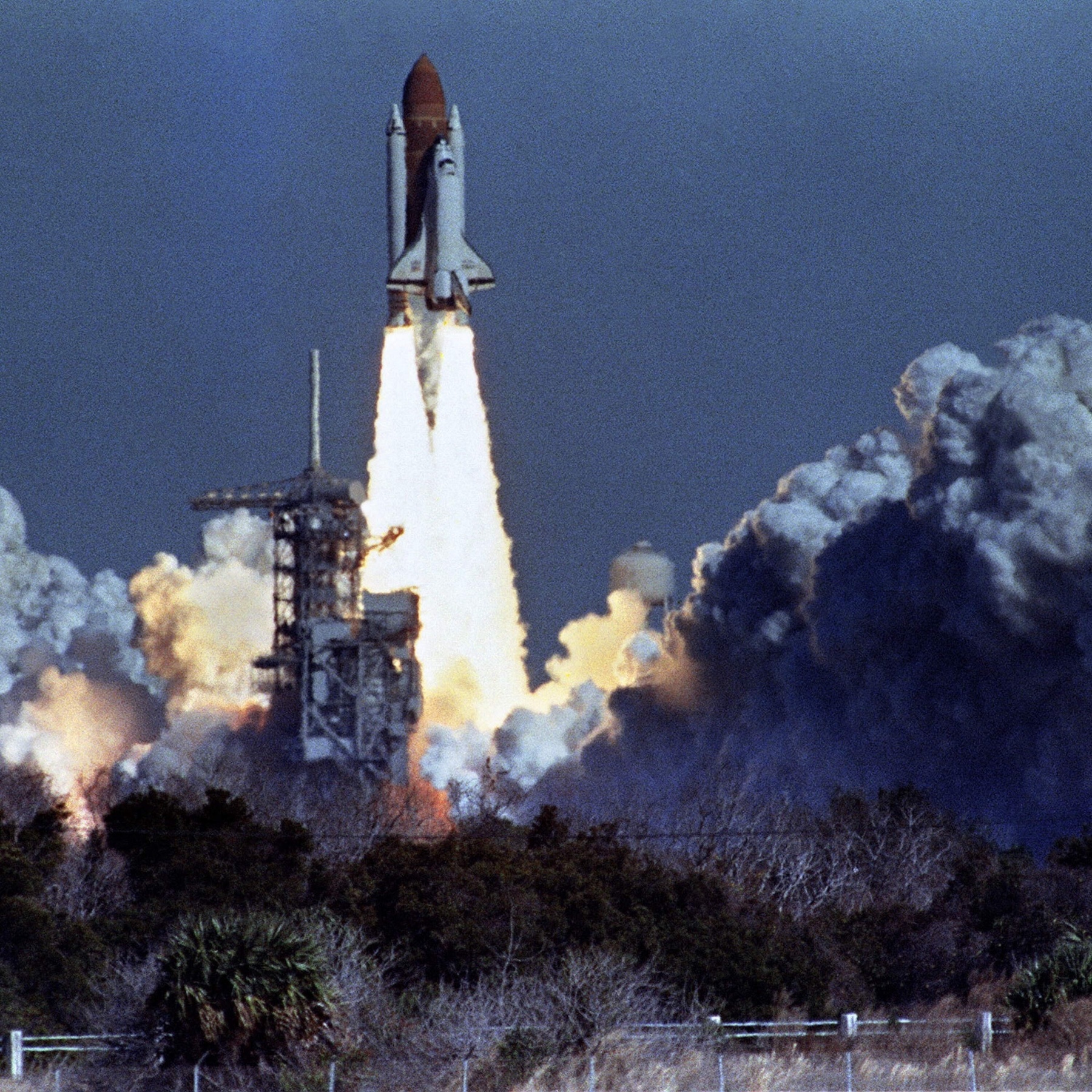
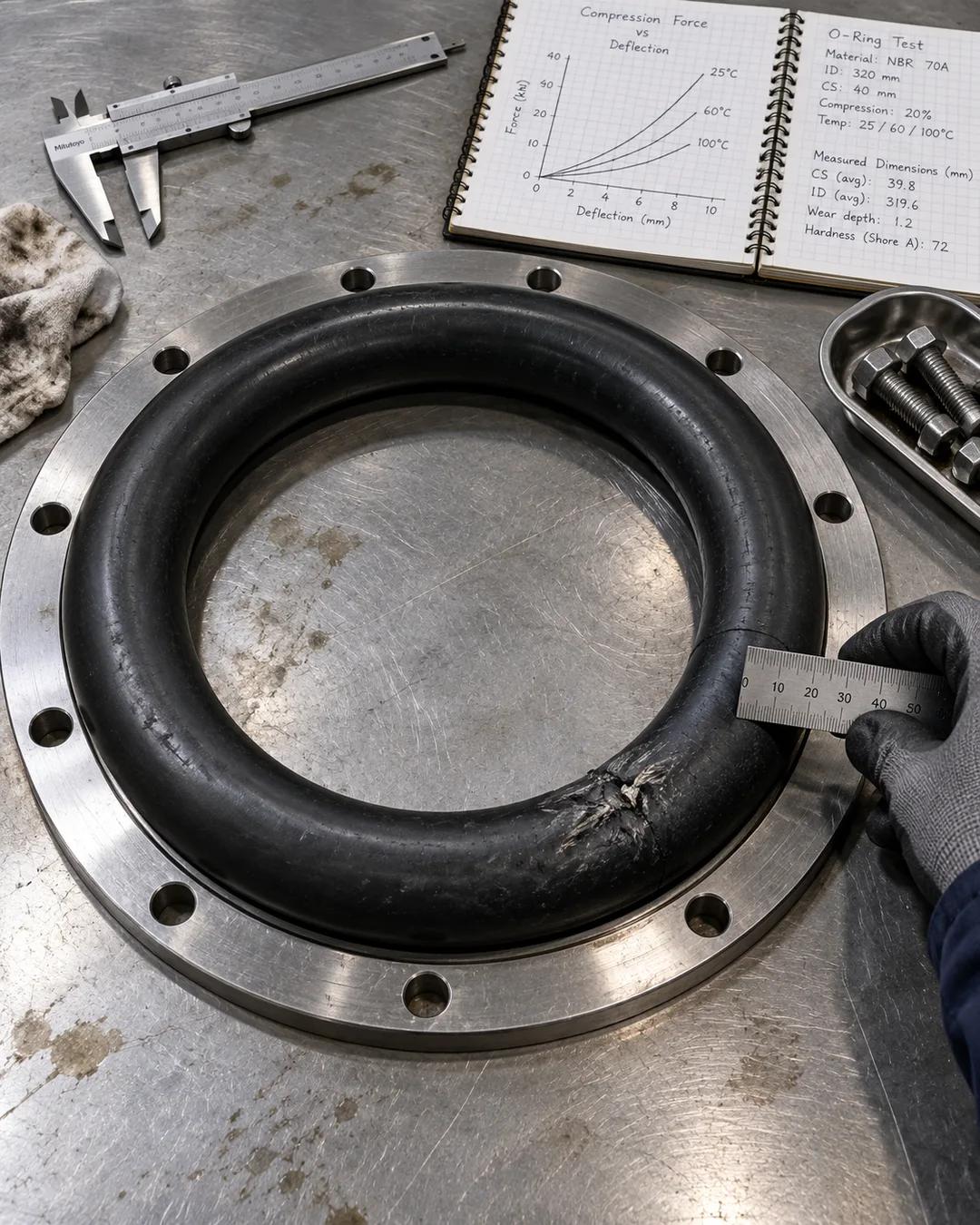
The theory holds that over time organizations accept shortcuts or poor oversight because most of the time it works out. In Challenger's case, the O-rings carried some risk, but it fell inside what counted as normal, so it was not taken seriously enough. At Thiokol, some of that did happen.
What the theory leaves out is the work behind it. Thiokol had run extensive testing and analysis that led its engineers to believe the erosion was self-limiting: the O-ring would erode for a split second and then stop. Reading that as "we've seen this before, it's no big deal" misses what was underneath, where the team was working hard on a fix while the shuttle kept flying.
Where did normalization of deviance come from?
Sociologist Diane Vaughan introduced the term in her 1996 book The Challenger Launch Decision. Her argument was that each time a flight came back with damage and still succeeded, the damage was redefined as acceptable, and the bar for acceptable moved a little. She built the case over years of studying NASA and Thiokol records and interviews. Her book is based on archival research rather than on a single investigation report.
Why did engineers call O-ring erosion self-limiting?
The reasoning was that hot gas could only eat into the ring until the ring pressed tightly against the joint wall, at which point the gas could no longer reach fresh rubber. In that picture, damage would reach a ceiling and stop instead of burning all the way through. Inspections of recovered boosters had shown erosion of varying depth on earlier flights, and no flight had lost a joint before Challenger. The coldest launch before Challenger, in January 1985 at 53 degrees Fahrenheit, produced the worst heat damage to the joints seen up to then, according to the Rogers Commission report.
How did engineers see damage from earlier flights?
The shuttle's solid boosters parachuted into the Atlantic after burnout and were recovered by ships. They were towed to Cape Canaveral and taken apart for inspection. Soot patterns and eroded O-rings in the recovered joints showed how far hot gas had reached on each flight. The recovered casing segments were cleaned, refilled with propellant, and flown again.
More from Throughline