Korva is a scroll of the internet’s best ideas.

Counting plants
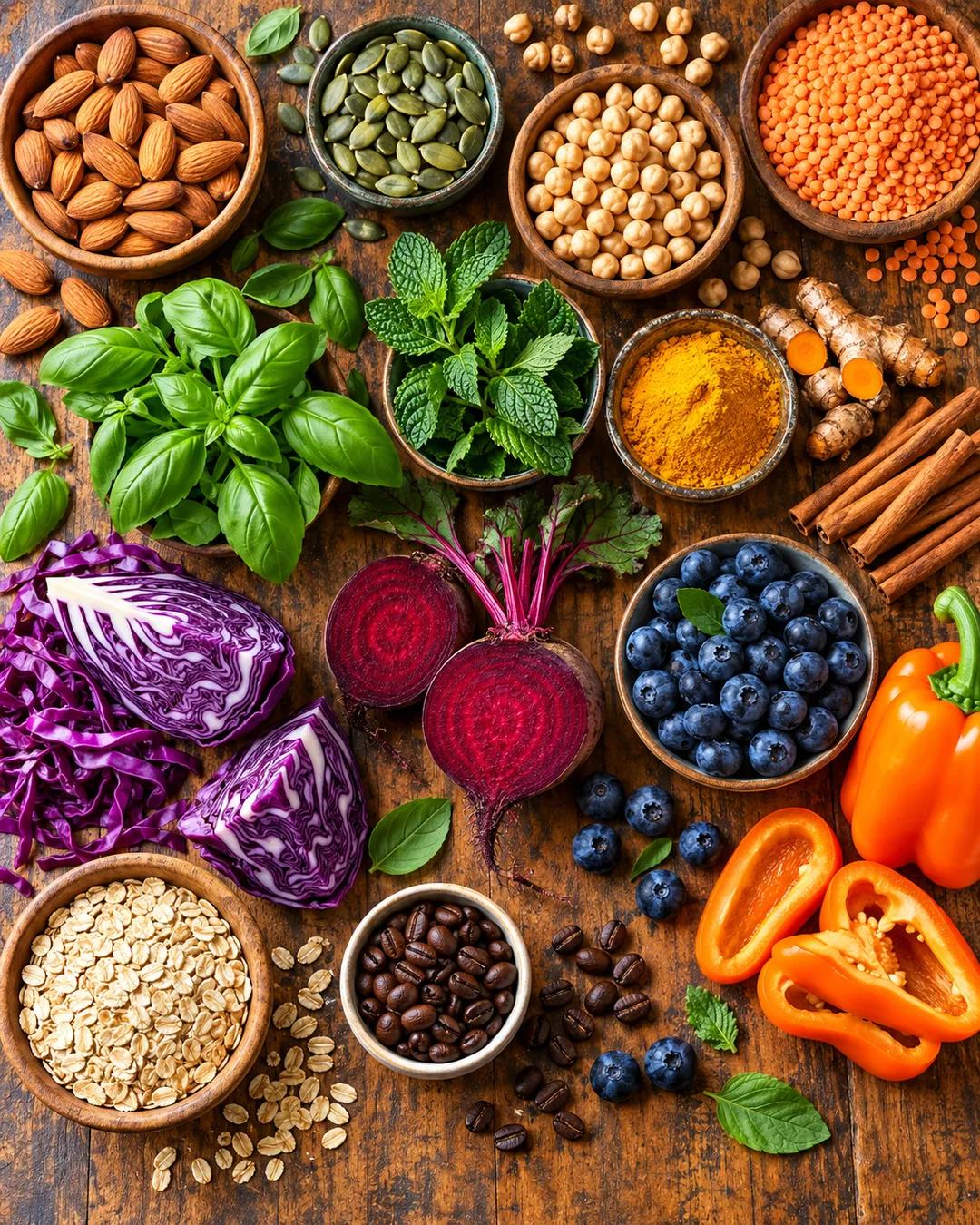
Diversity of gut species is what matters, and plant variety drives it. A plant counts if it is a nut, a seed, a herb, or a spice, so the tally is not just kale. Coffee counts too, since it comes from a fermented bean.
Who has the best microbes
Fermented foods, a range of colors on the plate, and cutting out ultra-processed chemicals all feed the same goal. The groups in the population with the best gut microbes avoid ultra-processed foods and antibiotics, and they don't live the modern Western lifestyle.
Fermented foods and colors
The gut-friendly pattern spans yogurts, kefirs, and kombuchas, along with kimchi, sauerkraut, and miso. Each plant brings its own mix of chemicals, so a wider range gives the microbes a wider range to work with.
How did researchers settle on thirty plants?
The American Gut Project, run from the University of California San Diego with Rob Knight, collected microbiome samples from thousands of volunteers in the US, UK, and Australia. In a 2018 paper in mSystems, Daniel McDonald and colleagues compared people by how many different plant types they ate each week. Those eating more than 30 had more diverse gut communities than those eating 10 or fewer. They also carried fewer genes linked to antibiotic resistance.
Why do different plants feed different microbes?
Plants contain many kinds of fiber, including inulin, pectin, beta-glucan, and resistant starch. Gut bacteria specialize, and a single species such as Bacteroides thetaiotaomicron carries genes for hundreds of enzymes that cut particular carbohydrate bonds. When a fiber is missing from the diet, the species that depend on it shrink. Humans encode far fewer carbohydrate-digesting enzymes than these bacteria do.
What do fermented foods do for gut diversity?
In a 2021 study in Cell, Hannah Wastyk, Justin Sonnenburg, and colleagues at Stanford University assigned 36 healthy adults to ten weeks of either a high-fiber diet or a diet rich in fermented foods. The fermented-food group's gut diversity rose, and 19 markers of inflammation, including interleukin-6, fell. The high-fiber group showed no average rise in diversity over the same period.
More from The Diary Of A CEO with Steven Bartlett