Korva is a scroll of the internet’s best ideas.
Three exits from a low-status group

Moving Up
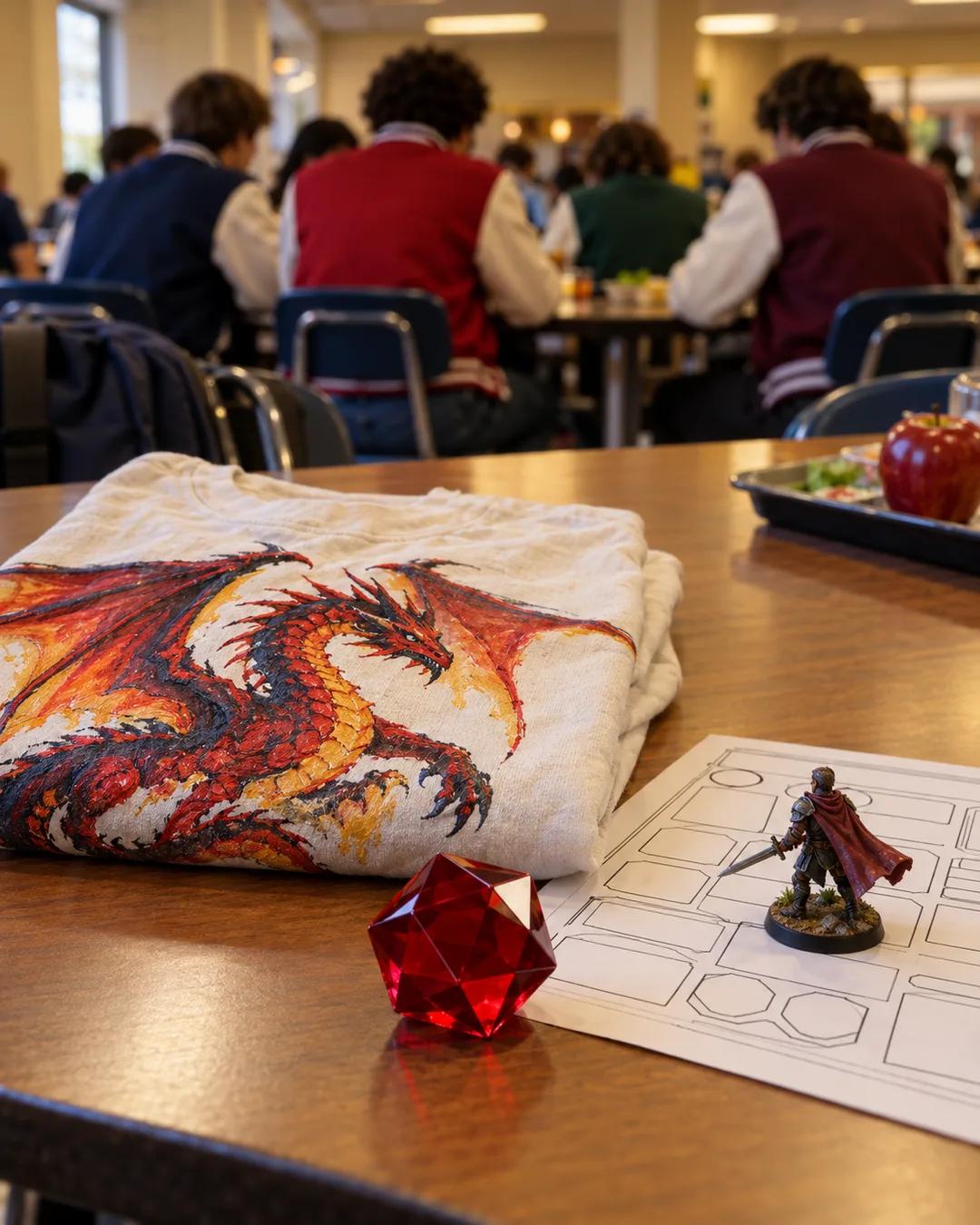
Individual mobility means moving to a higher-status group. Take a student in the Dungeons & Dragons club who wants to join the popular crowd. It only works where moving is possible: nobody can change their race, and a rigid school hierarchy can leave a former nerd shut out of both groups.
Redefining the Group
Social creativity keeps the group and changes how it is judged. The D&D club can compare itself to the jocks on a different measure, such as claiming it is a lot smarter than they are. It can play up a different trait, like its cool homemade shirts. Or it can pick a different rival, so the club compares itself to the chess club.
Competition and Limits
Social competition means taking on the group ahead head-on. It is the plot of Revenge of the Nerds, and of any movie where a greedy developer threatens a ski resort or a car wash.
Social creativity changes how a group sees itself while the larger structure stays where it was, and the jocks still rule the school.
What decides which strategy a group uses?
Tajfel and Turner pointed to how people see their situation. If the boundary between groups feels passable, as with cliques in a school, individuals try to move up. If it feels fixed, as with race, people turn to redefining the group or competing for it. The perceived stability and legitimacy of the status gap matter too: when people see it as changeable and unfair, open competition becomes more likely.
How does social creativity look in an experiment?
In a 1966 study by Gerard Lemaine, groups of boys at a summer camp competed to build the best hut. The group handed poorer materials could not win on hut quality, so it built a garden around its hut and argued that the garden mattered more. Tajfel and Turner later cited this kind of result as a demonstration of redefining the dimension of comparison.
More from Stuff You Should Know