Korva is a scroll of the internet’s best ideas.
Three informants and a death sentence
The murder
Shelly Boggio, 14, was found in the water at Indian Rocks Beach, Florida, stabbed more than 30 times. Police focused on Jack Pearcy, 29, who had been pursuing her romantically, was the last person seen with her, and had blood on his shoes that night. He told them he stayed in the car while his housemate, Jim Daly, went off with Shelly and killed her. Nothing backs that up, but both men were charged with capital murder.
Hunting for a snitch
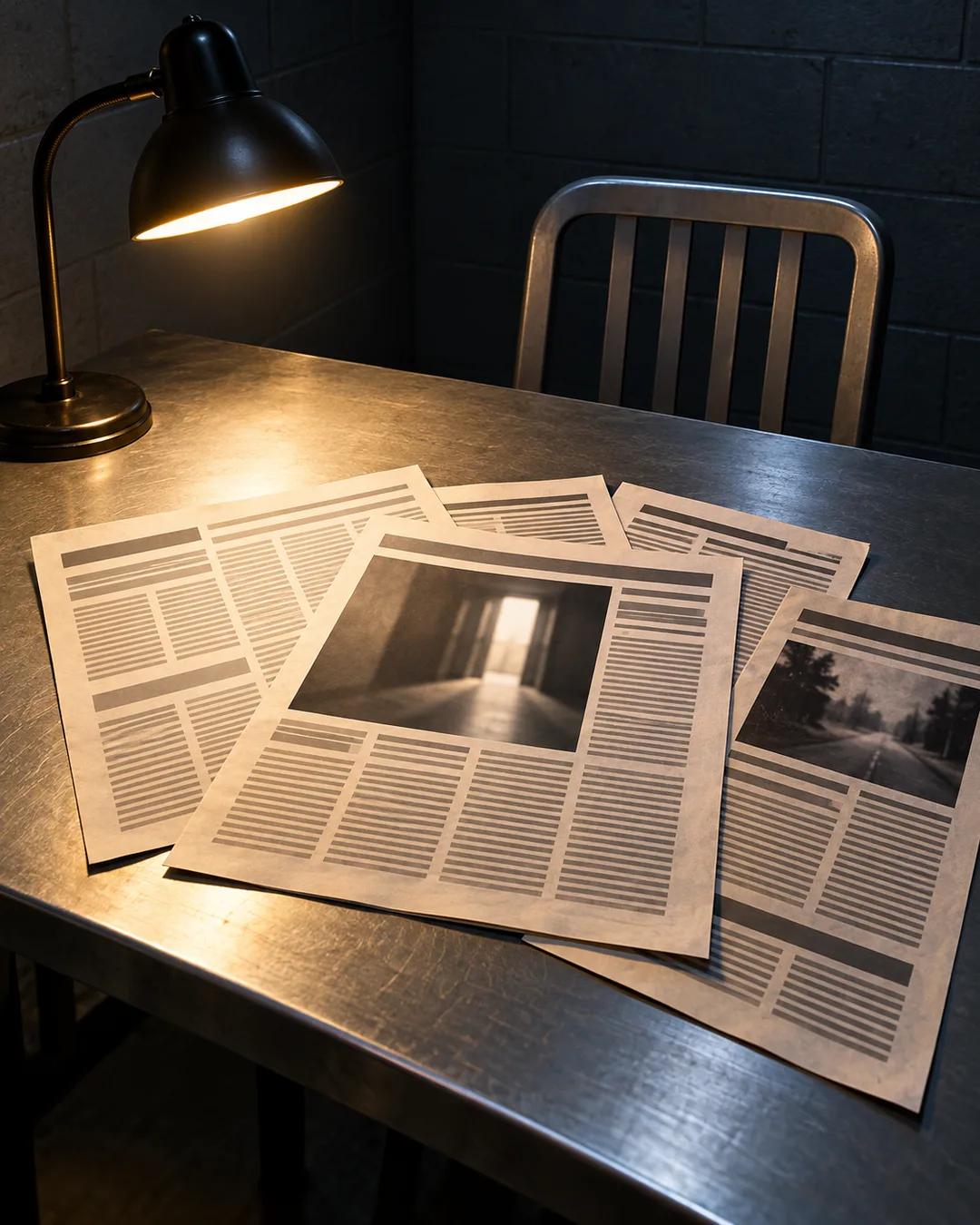
Pearcy was convicted and got a life sentence, which in that part of Florida was a political liability for the state attorney's office. Before Daly's trial, lead investigator John Halliday pulled 15 men out of their cells one by one and asked what Daly had told them. At least four remember newspaper articles with the murder's details spread across the table, which Halliday has denied under oath. The men told him Daly had said nothing or had said he was innocent. But the word in the jail was that this case needed a snitch.
The testimony
When Daly was moved to Skalnik's floor, he called it a damn setup. Two days later, Skalnik told Halliday that Daly had confessed everything. At trial he gave the basic details of the place, the victim, and what she looked like, then described Daly holding Shelly in his arms and stabbing her while she stared up at him and would not die. Nothing corroborates it.
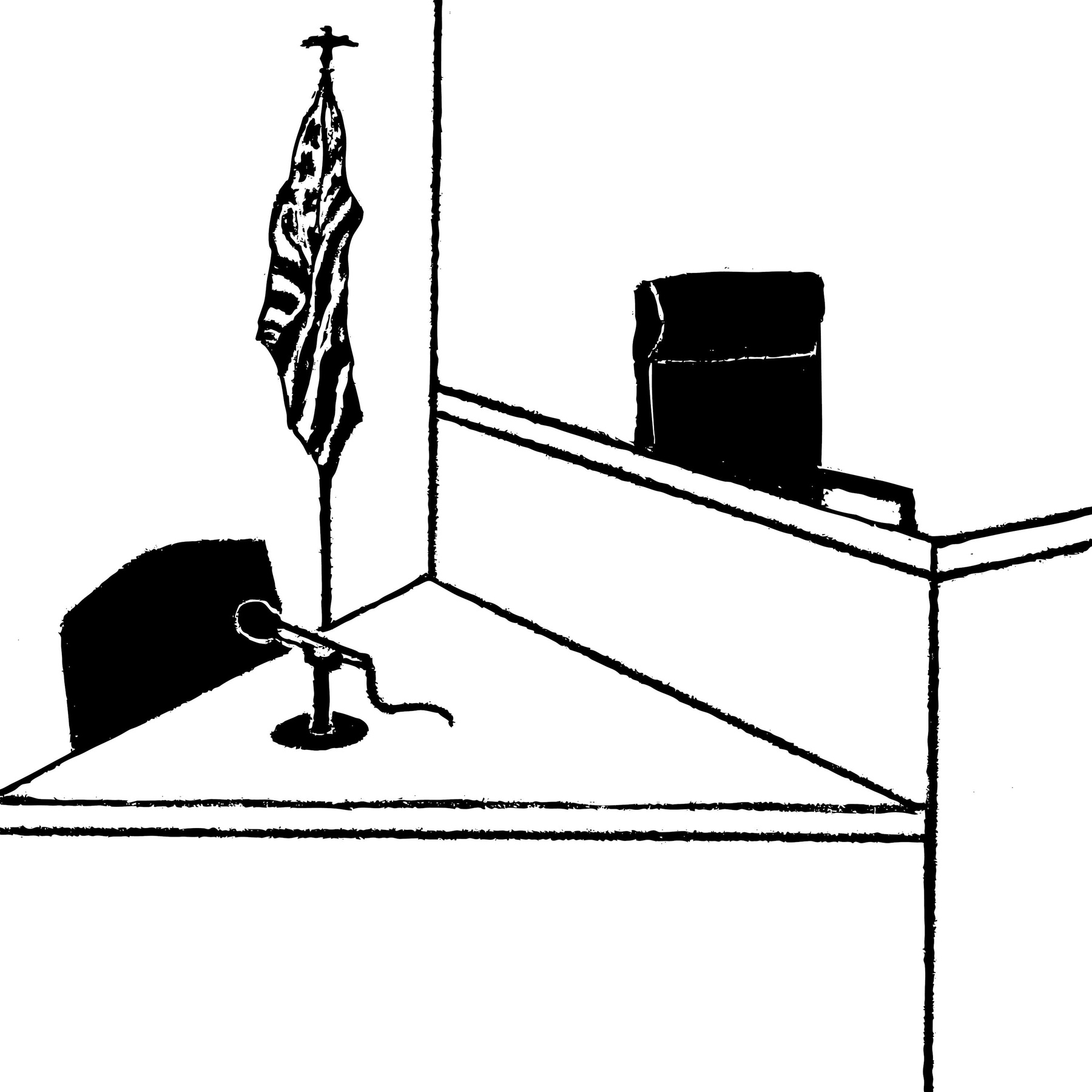
Pearcy took the fifth and did not testify, so the state brought in three jailhouse informants, with Skalnik's the most detailed. Daly, facing the electric chair, sat stone-faced, as defense attorneys typically advise so jurors never see a defendant's anger. He was sentenced to death and, after a stay of execution in 2019, remains on death row.
Why can someone refuse to testify at a trial?
The Fifth Amendment says no person can be compelled to be a witness against himself in a criminal case. It protects anyone whose answers could be used to prosecute them, which can include a convicted co-defendant whose appeal could lead to a new trial. Without it, a defendant's testimony could be forced out and then turned against him. The Supreme Court applied the privilege to state courts in Malloy v. Hogan in 1964.
How did Florida decide death sentences then?
In the 1980s, Florida juries heard a capital case and gave a recommendation, but the judge made the final decision on the sentence. A judge could impose death even after a jury recommended life, a practice called a jury override. The Supreme Court upheld that arrangement in Spaziano v. Florida in 1984. In 2016, Hurst v. Florida struck down the sentencing scheme because a judge, rather than a jury, found the facts needed for death.
How does a stay of execution work?
A stay of execution is a court order that pauses a scheduled execution so a legal claim can be heard. Judges grant one when the condemned person raises a serious question that cannot be resolved before the date. The stay lasts until the court decides the claim or lifts the order. In Florida, the governor signs the death warrant that sets the execution date, and state and federal courts handle the appeals filed against it.
More from Criminal