Korva is a scroll of the internet’s best ideas.
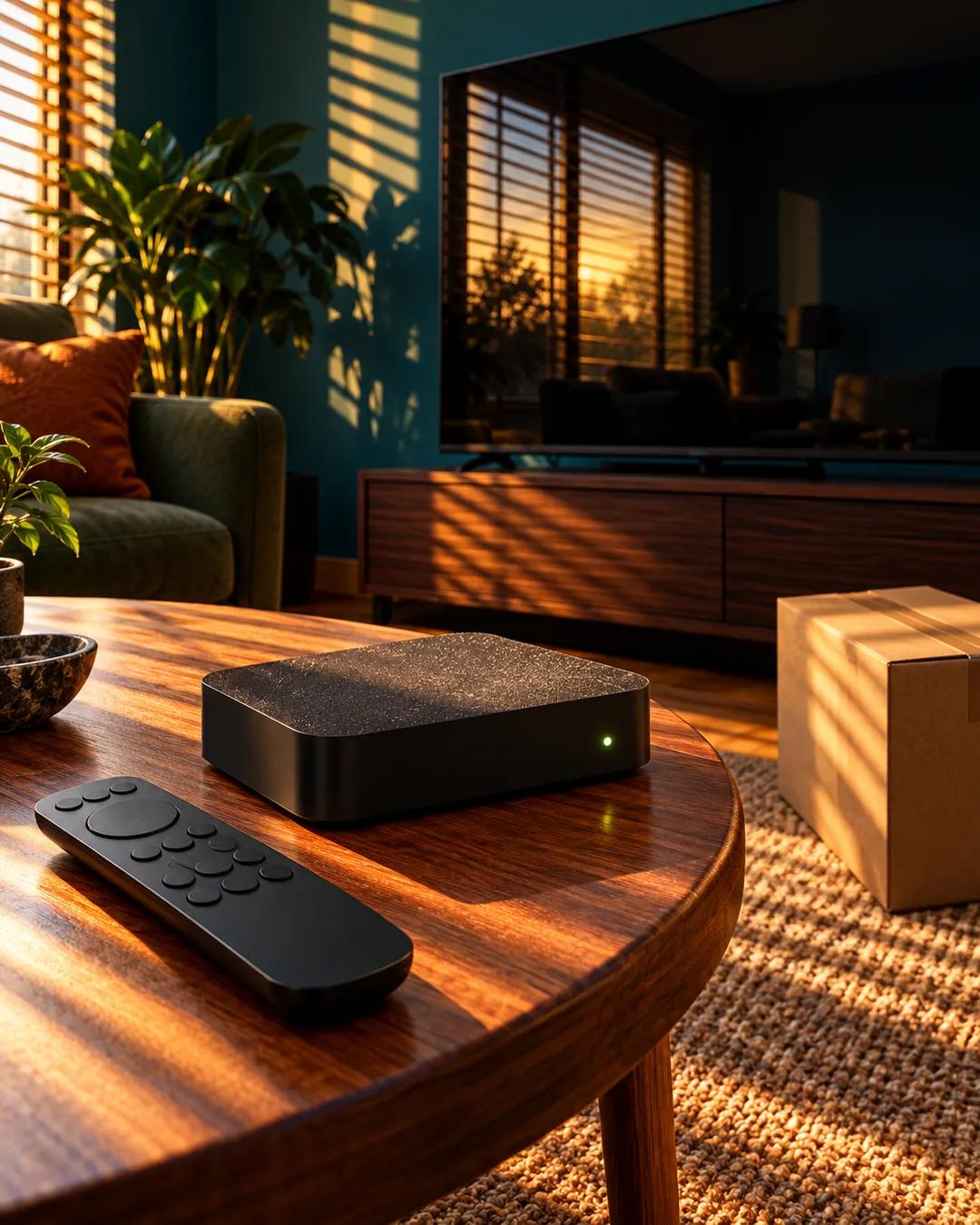
TiVo never made money

People used TiVo as a verb. When the company went public, its stock stood at about 30 or 40 dollars, then plummeted, and it has never traded above 10.
TiVo's launch pitch listed what the product had: it pauses live TV, skips commercials, rewinds live TV, and memorizes your viewing habits without you even asking. The cynical majority did not believe it, did not feel they needed it, and found it scary.
Picture the same product pitched differently: if you are the kind of person who likes to have total control over every aspect of your life, here is a product for you. It pauses live TV, skips commercials, and memorizes your viewing habits. The product list stays the same, and now it serves as proof of a belief.
What did the DVR do to TV advertising?
Digital video recorders let viewers skip commercials, which worried networks and advertisers whose revenue depends on ads being seen. Industry groups responded by shifting attention to measuring viewing within three or seven days of broadcast. Advertisers also leaned more on live events such as sports, which people tend to watch as they air. Product placement inside shows grew as another route around skipping.
How did cable boxes catch up to TiVo?
TiVo sold a box and a monthly service, and it licensed its software to other makers. Cable and satellite providers began offering their own DVRs inside the set-top boxes subscribers already rented. Those bundled boxes cost customers little extra and needed no separate purchase. TiVo later turned to patent litigation, and in 2011 EchoStar agreed to pay at least 500 million dollars to settle a case over DVR technology.
More from TED