Korva is a scroll of the internet’s best ideas.
Treat his hesitation as real

A Friday night
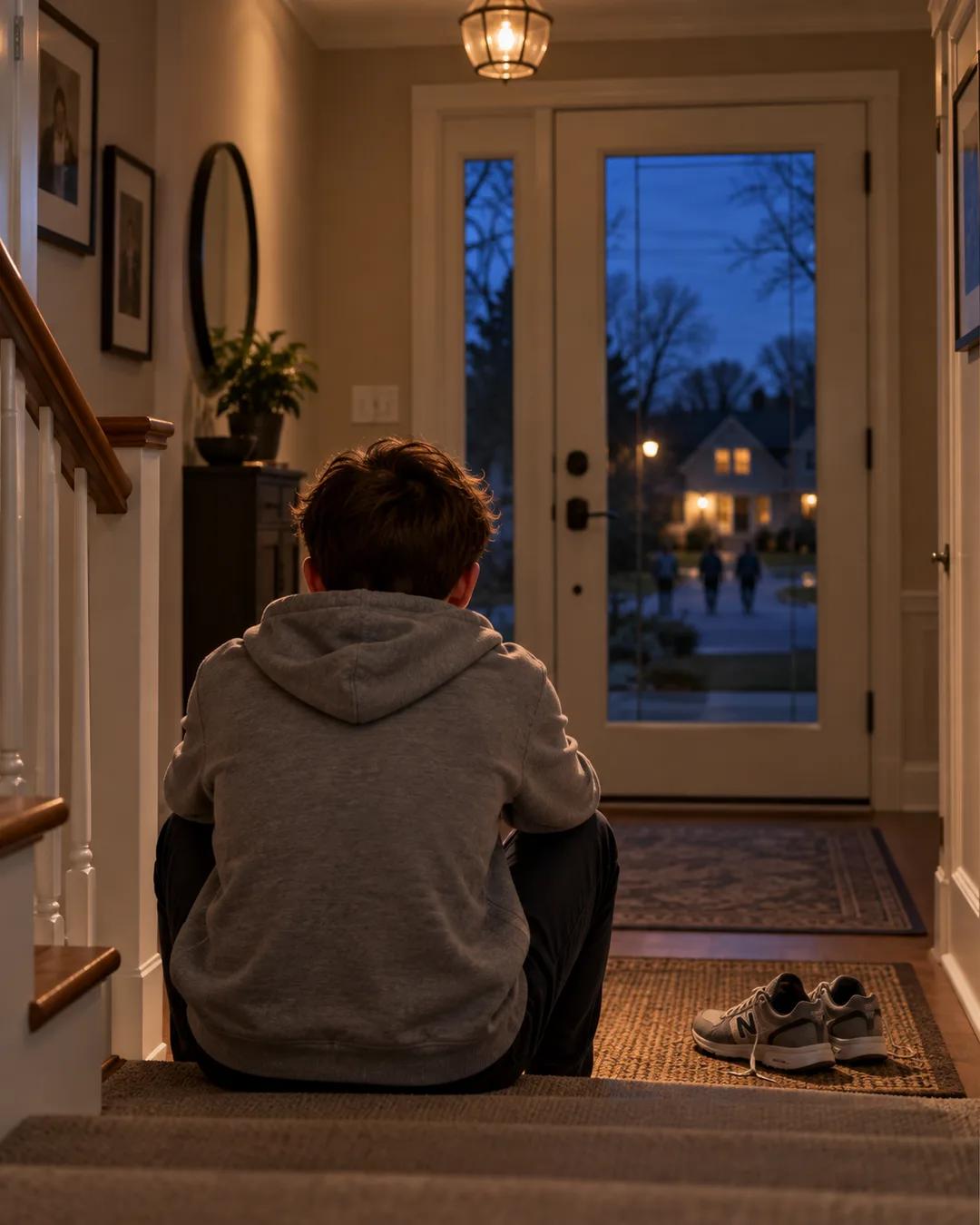
Picture an eighth-grader on a Friday night when every boy in the group is heading to one house, and he tells his parent he would rather stay in. The easy reply is to ask why, since all his friends are going and it will be fun. Underneath, he may feel something he can't put into words: the parents won't be home, there will be alcohol, a group of kids who mean trouble is coming, or he is simply tired. Pushing him questions the very instinct that parent would want him to listen to in a couple of years, when he is out of the house.
Staying curious
Trusting a feeling doesn't mean the feeling always decides. A kid who stays home constantly and plays video games has a different problem. Even so, the feeling is real, and it deserves curiosity. A parent can tell him they're sure he has a reason for staying in, then stop talking and count to 14, a random enough number to remember, so the sentence has time to land. Simply asking for more works the same way, without pressing him to name the feeling. A kid who answers that he doesn't know has still received a signal that his feelings count.
The pause
The aim is a boy who, caught in a nasty group text, can think that there is a reason for this feeling, though he doesn't know what it is, and that something here doesn't feel right. That is enough to get him to pause.
Why do gut feelings carry real information?
Neuroscientist Antonio Damasio proposed that bodily signals help guide decisions, an idea known as the somatic marker hypothesis. In the Iowa Gambling Task, Damasio's colleagues found that healthy participants developed anticipatory stress responses in the skin before choosing from the bad card decks, even before they could say which decks were bad. Patients with damage to the ventromedial prefrontal cortex kept choosing the risky decks despite intact reasoning. The findings were published in Science in 1997.
Why do teens take bigger risks around friends?
In a 2005 study in Developmental Psychology, Margo Gardner and Laurence Steinberg had participants play a simulated driving game alone or with friends watching. Peer presence raised risk taking among adolescents more than among adults. Steinberg and others link this to a reward system in the adolescent brain that responds strongly to social context. Peers are among the strongest sources of social reward at that age.
Why does waiting in silence draw out answers?
Mary Budd Rowe studied classroom questioning in the 1970s and measured how long teachers waited after asking a question. When teachers waited about three seconds or more, students gave longer answers and more students took part. Silence gives people time to find words for thoughts that are still forming. Rowe called this pause wait time.
More from Good Inside with Dr. Becky