Korva is a scroll of the internet’s best ideas.
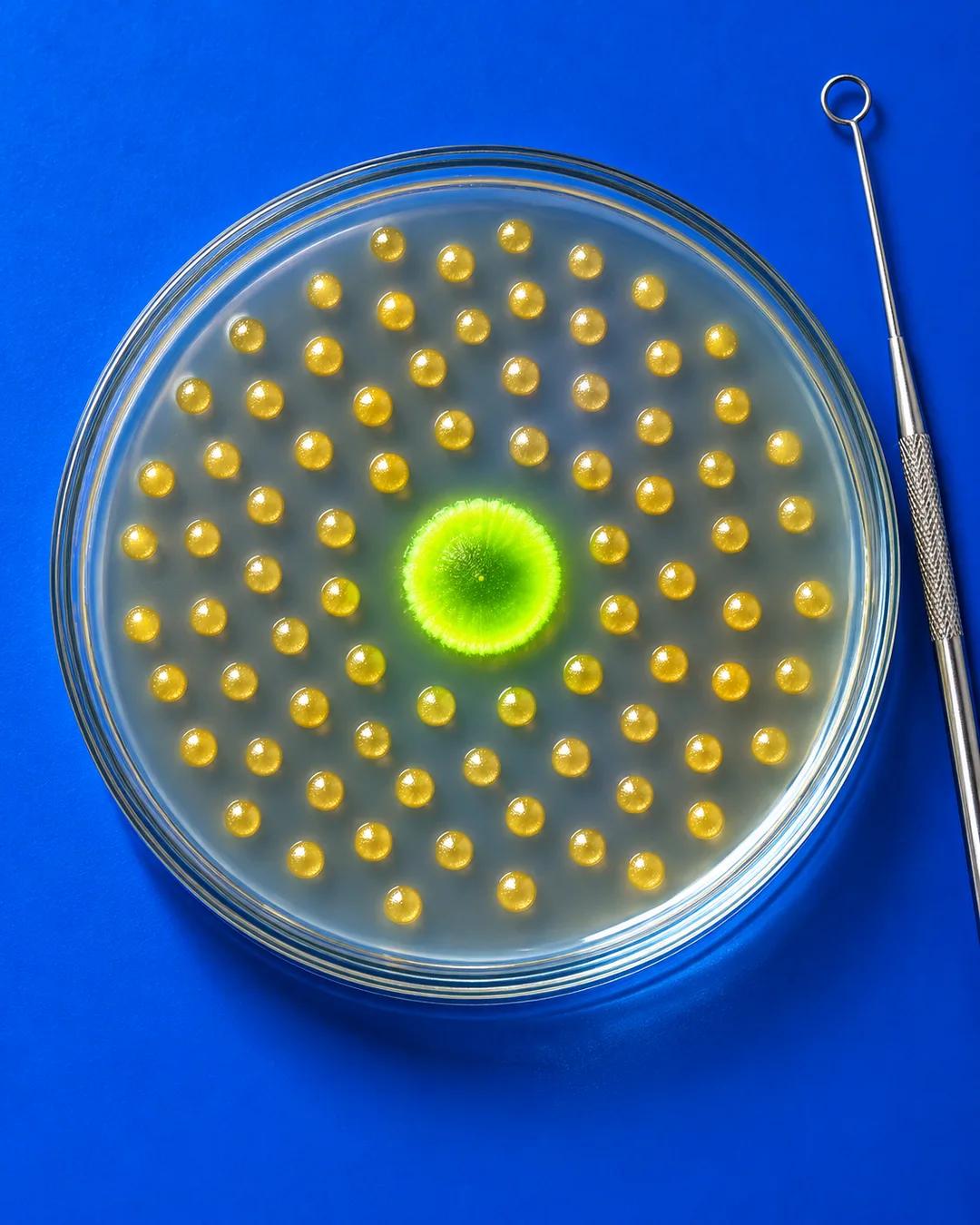
Troublemakers are a company's mutations

Why troublemakers leave
As companies get larger, people have an incentive to get along. A single culture forms, processes get built, there are set ways of interacting, and the troublemakers often get chased away.
Companies as organisms
A company is like an organism, and organisms evolve by mutating. Uber's CEO looks for the troublemakers and brings them in, building random interactions into his days instead of meeting only his direct reports.
Random signals
Random interactions are less efficient than the structured processes put in front of him, but they often give the best signal. He may not act on a given signal, and if it grows strong enough, he moves. With AI, the rate of change inside companies, in how information flows and how people work every day, has accelerated by 5x.
How do mutations help organisms adapt?
Mutations are random changes in DNA. Most do nothing or do harm, a rare few help, and natural selection keeps the helpful ones. In Richard Lenski's long-term experiment, begun in 1988 at Michigan State University, one of twelve populations of E. coli evolved the ability to feed on citrate after roughly 31,000 generations.
Why do groups silence dissenters?
Solomon Asch's conformity experiments in the 1950s found that about three-quarters of participants went along with a wrong group answer at least once, even on a simple question about line lengths. Irving Janis coined the term groupthink in 1972 to describe cohesive groups that suppress disagreement in favor of harmony. Janis built the idea from case studies of decisions such as the Bay of Pigs invasion.
More from Invest Like the Best with Patrick O'Shaughnessy