Korva is a scroll of the internet’s best ideas.
Truman was replaceable, Shakespeare wasn't
Three kinds of leaders
Pulitzer Prize winning author Jared Diamond calls it the Hamlet test, and it sorts leaders into three groups. Some are uniquely qualified, and nobody else alive at the moment could have done what they did. Some are talented but replaceable, so someone functionally similar steps into the gap and history barely notices. And some made no difference at all, because they were in the wrong place at the wrong time or wanted exactly what everyone else already wanted.
Truman's replaceable seat
Harry Truman became president by accident, thrust into the role after Roosevelt's death with none of the usual grooming. Ninety-six senators were sitting in the United States Senate at the time, and most were more experienced and more distinguished than he was. Ninety-five of them could have done the job. Whether they would have shown his particular courage in the moment nobody can know, but nearly all of them were qualified.
Shakespeare's rivals
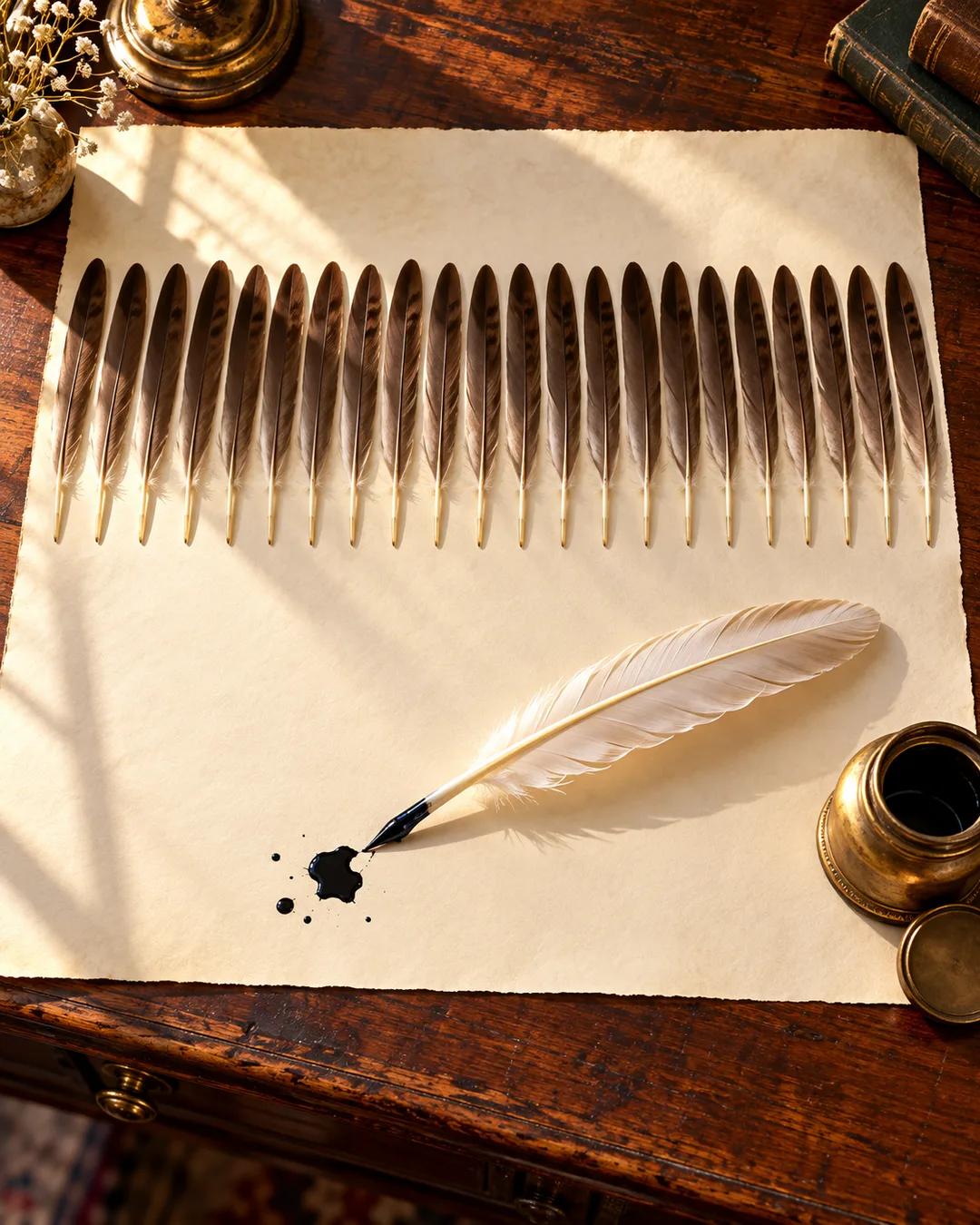
Shakespeare fails the same test in the other direction. Writing Hamlet took a theater company, years of experience, and a string of earlier plays, and he had all of it, with Romeo and Juliet and Julius Caesar already written and already great. Historians can name the other 20 or so Elizabethan dramatists alive at that time. Some of their plays are genuinely good, and none of them comes within a mile of Hamlet.
Why did Elizabethan London have so many playwrights?
Public theaters in London began with The Theatre, built by James Burbage in 1576. By the 1590s, several companies competed for audiences that filled playhouses on most afternoons. A company staged a different play on most days, so it needed a constant supply of new scripts. Writers such as Christopher Marlowe, Thomas Kyd, and Ben Jonson wrote for the same stages as Shakespeare.
Why did historians dispute the great-man idea?
In the 1840s, the Scottish writer Thomas Carlyle argued that history is largely the biography of great men. The philosopher Herbert Spencer replied in the 1870s that such figures are products of their societies and could not have appeared without them. Leo Tolstoy made a similar case in War and Peace, describing leaders as carried along by forces larger than themselves. Jared Diamond's test sits between the two camps by asking, case by case, whether anyone else could have filled the role.
How little did Truman know on taking office?
Truman had served as vice president for only 82 days when Roosevelt died on April 12, 1945. He had spent little private time with Roosevelt in that period and had not been told the details of wartime projects. Secretary of War Henry Stimson gave him a full briefing on the atomic bomb project on April 25, 1945, thirteen days after he took office.
More from Passion Struck with John R. Miles