Korva is a scroll of the internet’s best ideas.
Trump's approval falls to 36%

Midterm Matchups
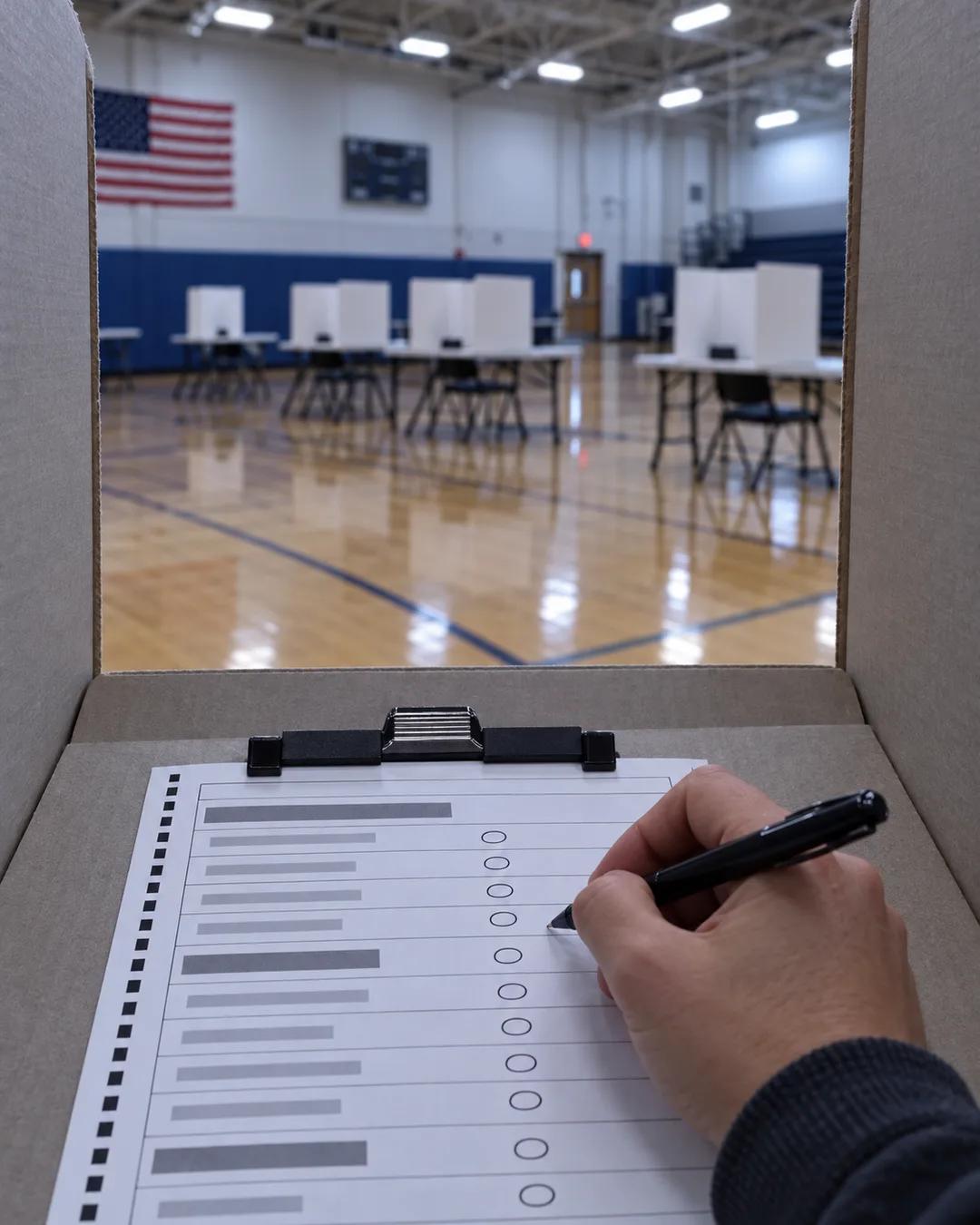
The poll also found that in their own congressional districts, likely voters favored Democratic candidates over Republicans by 11 percentage points. It comes as Trump's party is fighting to keep control of Congress.
Who Voters Trust
Respondents were asked which party can understand the problems facing people like them, which can fix those problems, and which keeps its promises. Again and again, they chose Democrats.
The Shift Since 2024
That is a big shift since 2024, when voters were more likely to say Republicans kept their promises. Now that has been reversed. Across a number of factors, public perceptions of Republicans have gone down and perceptions of Democrats have gone up.
How do pollsters pick likely voters?
Times/Siena polls draw their samples from lists of registered voters, and those lists include each person's record of past turnout. Pollsters combine that voting history with how likely a respondent says they are to vote, then estimate who will actually cast a ballot. The filter matters because many people who say they will vote do not. Midterm electorates are smaller than presidential ones and differ from them, so the filter can change the results.
Why do midterms usually go against presidents?
Since World War II, the president's party has lost House seats in nearly every midterm election, with 1998 and 2002 among the few exceptions. Political scientists have offered several explanations, including voters' wish to balance power in Washington and lower turnout among the president's less enthusiastic supporters. Midterm turnout runs well below turnout in presidential years, which magnifies the effect of energized opponents.
More from The Headlines