Korva is a scroll of the internet’s best ideas.
Trump waives Russia sanctions
The sanctions package
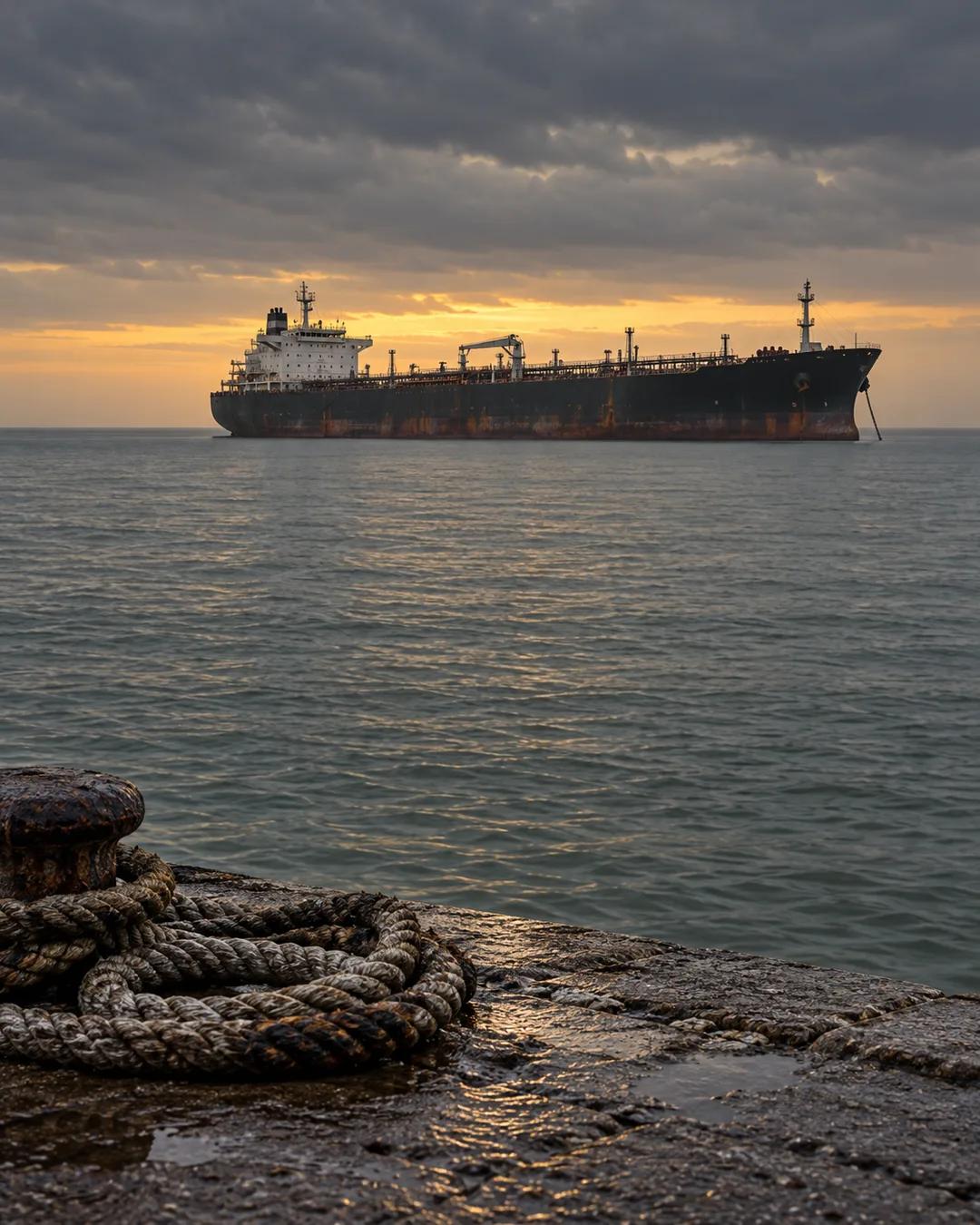
The package came from the Graham Act. It included sanctions against Russia's financial institutions, its defense sector, and its shadow fleet of oil tankers, along with tariffs of up to 100% on the top five global importers of Russian crude oil.
The 60-day review
Secretary of State Marco Rubio said the sanctions also included tariffs on a number of countries, India among them. He said the president wants a 60-day period to analyze what imposing both sanctions and tariffs would mean for the global economy and the US economy, and that waivers were written into the bill so there would be time to study this amid pressure on global energy supplies.
Ukraine and oil
President Zelensky has spoken of a US betrayal. Washington has demanded that Ukraine end its drone strikes on Russian oil refineries, and Ukraine has refused. This week, President Trump said Russia had agreed to send the US millions of barrels of oil, including diesel, and described the latest Ukrainian strikes on Russian oil facilities as a disgrace.
How do secondary tariffs pressure oil buyers?
Sanctions aimed at Russian firms reach only those that touch the US financial system, which oil traders can often avoid. Tariffs on the countries that buy the oil instead raise the price of those countries' exports to the US. In August 2025, the US added a 25 percent tariff on Indian goods over its purchases of Russian oil, bringing the total on many Indian goods to 50 percent.
How does Russia's shadow fleet evade sanctions?
In December 2022 the G7 and the EU set a $60 per barrel price cap on Russian seaborne crude, allowing Western shippers and insurers to carry it only below that price. Tankers outside the Western system, often older vessels with obscure owners, carry oil sold above the cap. These ships commonly change flags, switch off tracking transponders, and transfer cargo at sea. The EU has listed hundreds of such vessels in its sanctions packages.
Why do sanctions laws include presidential waivers?
Congress often writes waiver authority into sanctions laws so the president can adjust to diplomacy and market conditions without new legislation. Waivers usually last a set period and come with a requirement to notify Congress. The 2017 Countering America's Adversaries Through Sanctions Act, known as CAATSA, let Congress review and block sanctions relief for Russia. The Senate passed it 98 to 2.