Korva is a scroll of the internet’s best ideas.
Trust what you love beyond reason

What people love
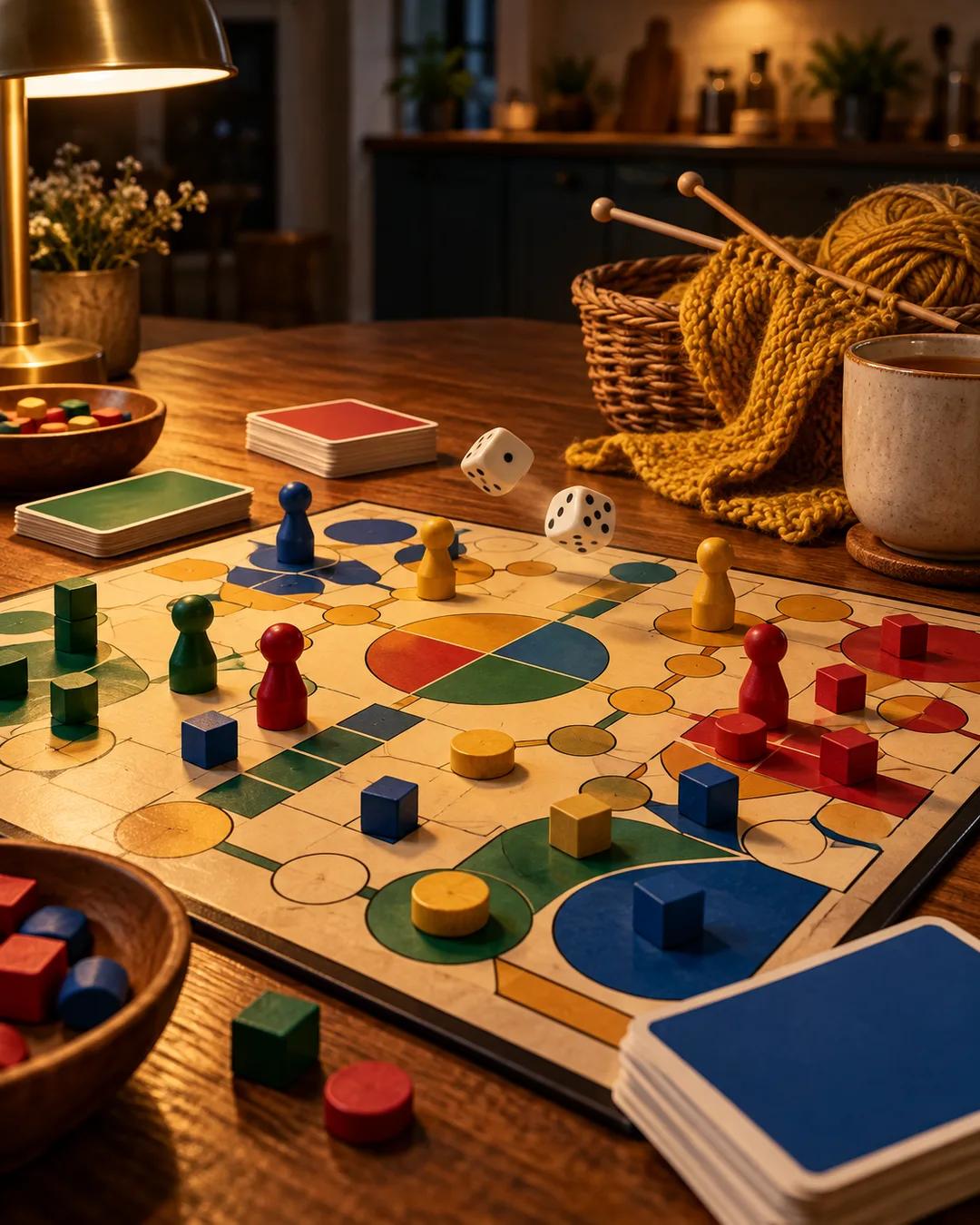
The thing might be knitting, needlework, gardening, fantasy audiobooks, or board games, and it is usually accessible. When life gets difficult it tends to be the first thing dropped as frivolous, and the people nearby may not understand why it matters.
What researchers heard
Researchers asked people to explain why such an activity is meaningful to them. One answer described being in deep pain and agony and being able to feel something that was not that, and the person compared the feeling to love. The activity was playing board games.
The needs it meets
These activities meet core human needs. They leave people feeling better about themselves and about life, with a place to show up. An activity that has been there for someone across earlier hard moments can be that again, and it needs no justification to anyone else.
Why do absorbing hobbies quiet the mind?
Psychologist Mihaly Csikszentmihalyi named the state flow: complete absorption in an activity whose challenge matches a person's skill. In flow, self-consciousness fades and time seems to pass differently, because attention is fully taken up by the task. He built the concept from interviews with people such as chess players, rock climbers, and composers who did their activities for their own sake. Later researchers found flow in everything from gardening to video games.
Which needs do activities like these meet?
Self-determination theory, developed by Edward Deci and Richard Ryan at the University of Rochester, proposes three basic psychological needs: autonomy, competence, and relatedness. A hobby freely chosen can supply all three: the person decides to do it, gets better at it, and often shares it with others. Activities done for their own sake have been linked in this research to stronger and more lasting motivation than activities done for rewards. The theory has been tested in fields from education to health care.
More from The Mel Robbins Podcast