Korva is a scroll of the internet’s best ideas.
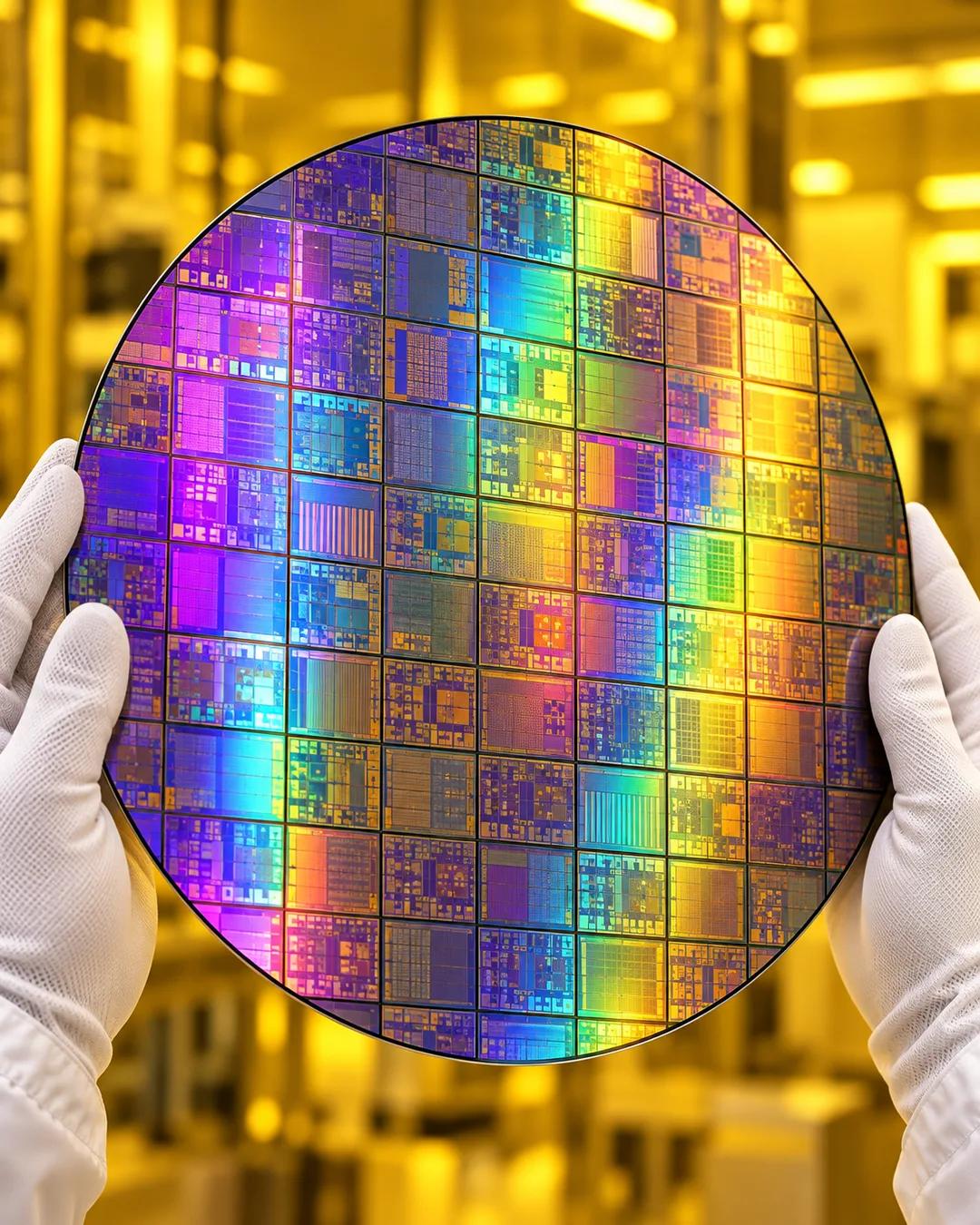
TSMC offered to build anyone's chips

Intel's closed factories
Intel was an IDM, integrated design and manufacturing. It made enough CPUs itself and reused its factories for chipsets and a few other things, but its process was never standardized for a broad ecosystem. It also built much of its own chip-design software, including the first place and route, the first standard cells, and the first high-level description language, and all of it was proprietary.
TSMC's open vision
TSMC went the other way. It did not care whose chip it was or what the design was, and it would be the manufacturing partner. Factories cost 20 billion or 30 billion dollars each, and the engineering investment is continuous, so it was a stunning vision. At the time, manufacturing for other companies was such a trivial piece of the business that Intel did not even care.
Steady progress over a long period, with Apple as a customer driving it, made TSMC meaningful. TSMC ended up producing five times the wafers of Intel, not 10% more, and the gap is now more like seven to one.
The foundry model became the model of the semiconductor industry, with two exceptions: Intel and memory, where design and manufacturing are still done together. Today TSMC is a trillion-dollar foundry company.
Why does a single chip factory cost billions?
Each new generation of chips needs new machines, and the most advanced ones are extraordinarily precise. ASML in the Netherlands is the only company that makes the extreme ultraviolet lithography machines used for the leading-edge chips. Those machines print circuit patterns using light with a wavelength of 13.5 nanometers. Cleanrooms, chemical supply, and water and power systems add to the cost before a single wafer is made.
How did the foundry idea begin?
Morris Chang, who had spent decades at Texas Instruments, founded TSMC in 1987 with backing from the Taiwanese government and Philips. His premise was that many small companies could design chips if someone else would build them. Companies that design chips without owning factories became known as fabless, and Nvidia, Qualcomm, and AMD all work that way today. TSMC promised never to compete with its customers by selling chips under its own name.
Why do memory makers still design and build together?
Memory chips such as DRAM and flash are sold in huge volumes with a design that changes slowly, so the manufacturing process and the chip are refined together. Samsung, SK hynix, and Micron, the three largest DRAM makers, each run their own factories. A memory cell is a small repeated pattern, so gains come from tuning the process itself. A general-purpose foundry process is built for many different designs instead.
More from All-In with Chamath, Jason, Sacks & Friedberg