Korva is a scroll of the internet’s best ideas.
Turn any object into a plot

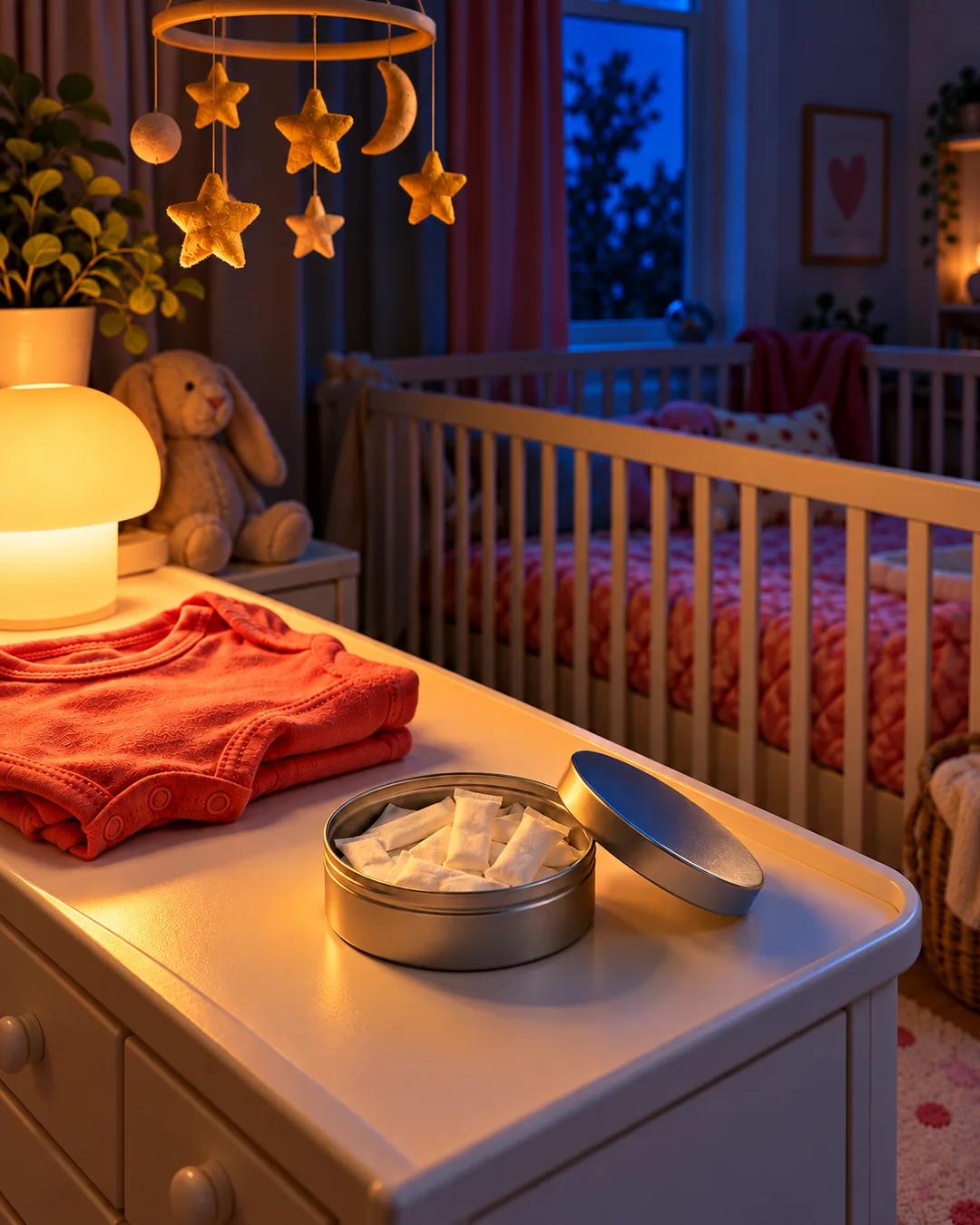
Pouches in a nursery
Handed a pack of mint nicotine pouches, Harlan Coben's first guess is that they are not nicotine at all but a heavy dose of THC. He would find them in the room of somebody who never smokes. Why would they be in the baby's room?
Vodka in a water bottle
Real life supplies the same material. Once he was taking kids out for Halloween with another mom when one child spilled something, and he grabbed her Poland Spring water bottle to clean it up. She told him he could not use it, because it was vodka. That is a novel right there.
A sock with a pulse
A smart baby monitor sock suggests a plot too. It could be used to track somebody. Or a parent puts the sock on their child in the middle of the night, wakes up to a pulse still showing on the monitor, and finds the sock is no longer on the kid. Then the question is whose pulse it is, and the answer would take about 350 pages.
Why do thrillers hide clues in everyday objects?
Anton Chekhov advised in letters that a pistol hung on the wall in the first act must be fired by the last. The rule holds that every object a story shows should matter later. Alfred Hitchcock took the opposite view of one object, popularizing the term MacGuffin in a 1939 lecture at Columbia University for a prize everyone chases that matters little in itself.
How can a sock read a pulse?
Takuo Aoyagi, an engineer at Nihon Kohden in Japan, developed the pulse oximeter in 1972. It shines red and infrared light through tissue and measures how much is absorbed, because blood with and without oxygen absorbs the two colors differently. The surge of arterial blood with each heartbeat lets the device separate blood from other tissue. Finger clips and wrist wearables use the same optical principle.
More from Freakonomics Radio Network