Korva is a scroll of the internet’s best ideas.
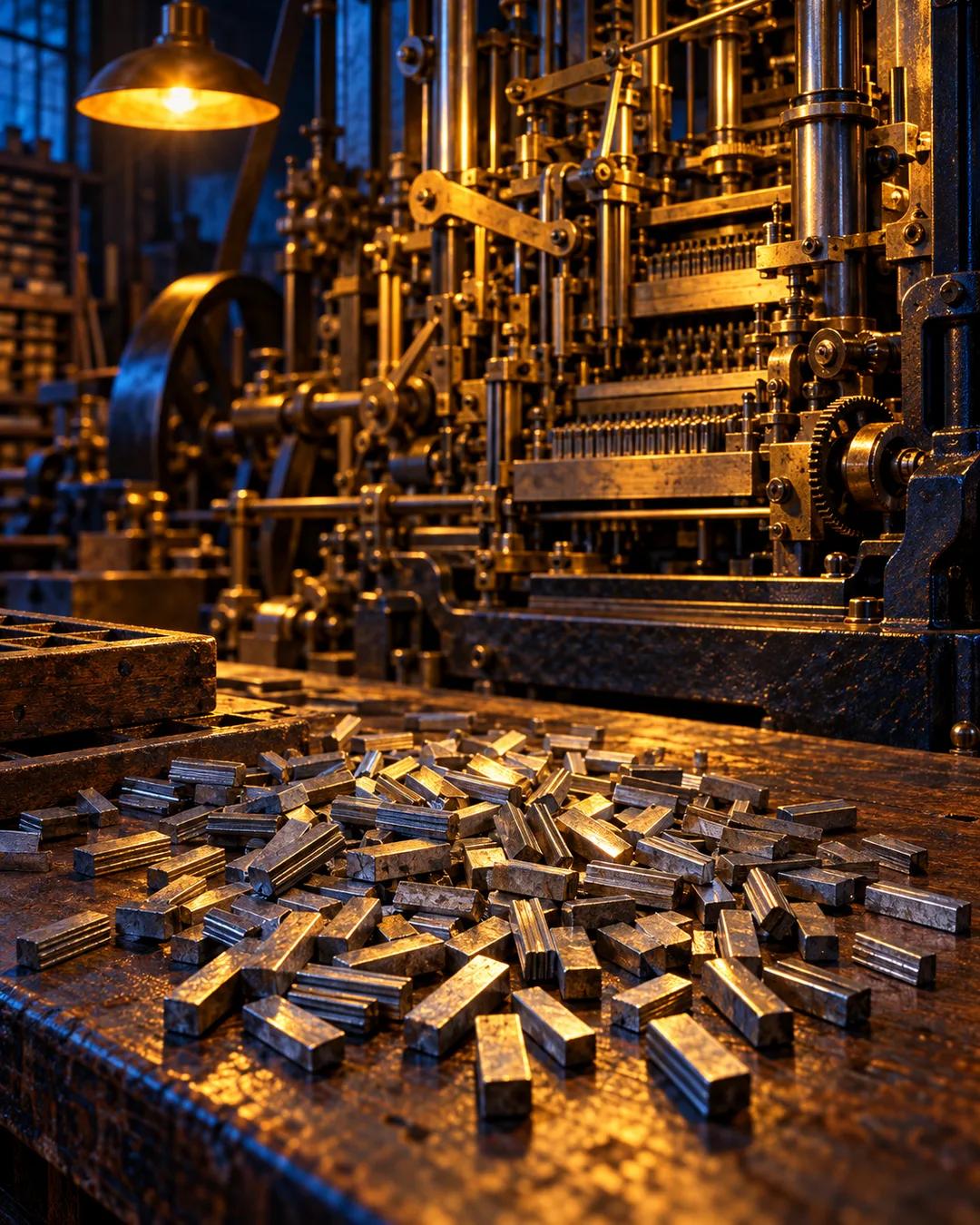
Twain lost millions on a typesetter
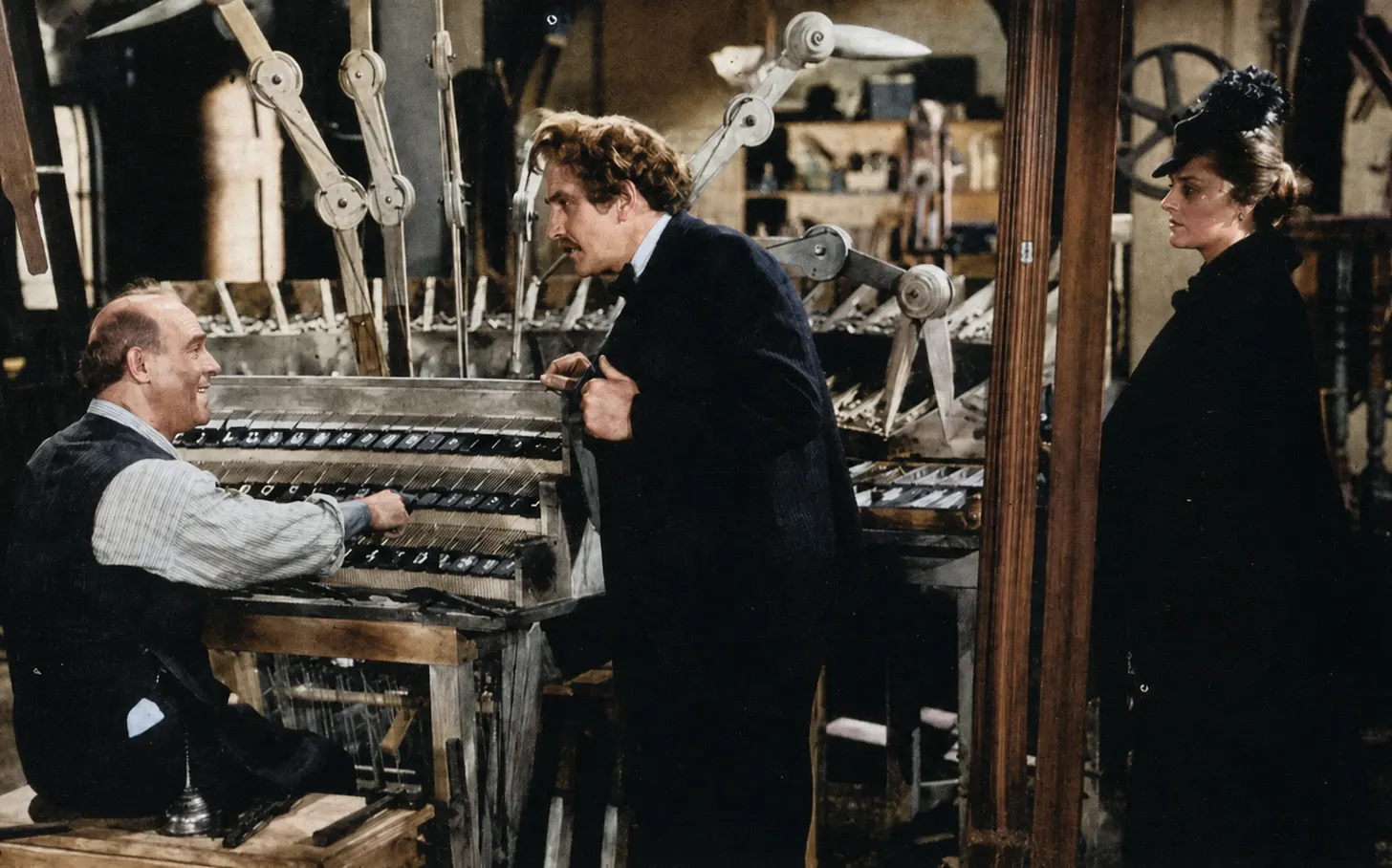
Twain meets Paige
In 1880 Twain met James W. Paige, a bright-eyed, smartly dressed inventor with a machine that set the metal type for books and periodicals. Twain had once been a printer's devil himself, and he doubted at first that it could take over much of the costly human labor in printing. Soon he was a convert. He figured it would take about a hundred thousand machines to supply the world, and a machine that does not get drunk and does not join the printer's union looked like a sure path to riches.
A daring liar
Paige had real ability, but his main talent was raising money by promising the impossible. Twain could see it. In Paige's presence he believed every word, and once Paige left, the belief evaporated. He called him a most daring and majestic liar. The money kept going into the machine anyway.
The cost
Twain put in the bulk of his book earnings and his wife's inherited fortune, and lost all of it. The machine consumed his family's life through his prime creative years after Huck Finn, and its failure brought financial ruin and then depression. He went bankrupt, and Paige died a complete unknown.
How did Twain climb out of bankruptcy?
Twain's publishing firm, Charles L. Webster and Company, failed in 1894, and the typesetter losses left him deeply in debt. Henry H. Rogers, a Standard Oil executive, helped him sort out his finances. Twain then set off on a round-the-world lecture tour in 1895 to earn money. By 1898 he had paid his creditors in full, helped along by the travel book Following the Equator.
How did printers' unions respond to typesetting machines?
Hand compositors were skilled workers with strong unions, and the Typographical Union dated back to 1852. Faced with machines like the Linotype, union locals bargained over who would run them and at what pay. Many compositors moved over to operating the machines. Newspapers that adopted the Linotype early could set far more type with the same staff.
How did a Linotype put whole lines into lead?
Ottmar Mergenthaler, a German-born machinist working in Baltimore, built the Linotype. The operator typed on a keyboard, and each key released a brass mold of a letter that slid into a line. Molten lead was then forced against the assembled line, producing a single solid piece of type called a slug. The New York Tribune became the first newspaper to use it, in 1886.
More from Benjamin Breen