Korva is a scroll of the internet’s best ideas.
Twenty row houses, one burned
One side of the street
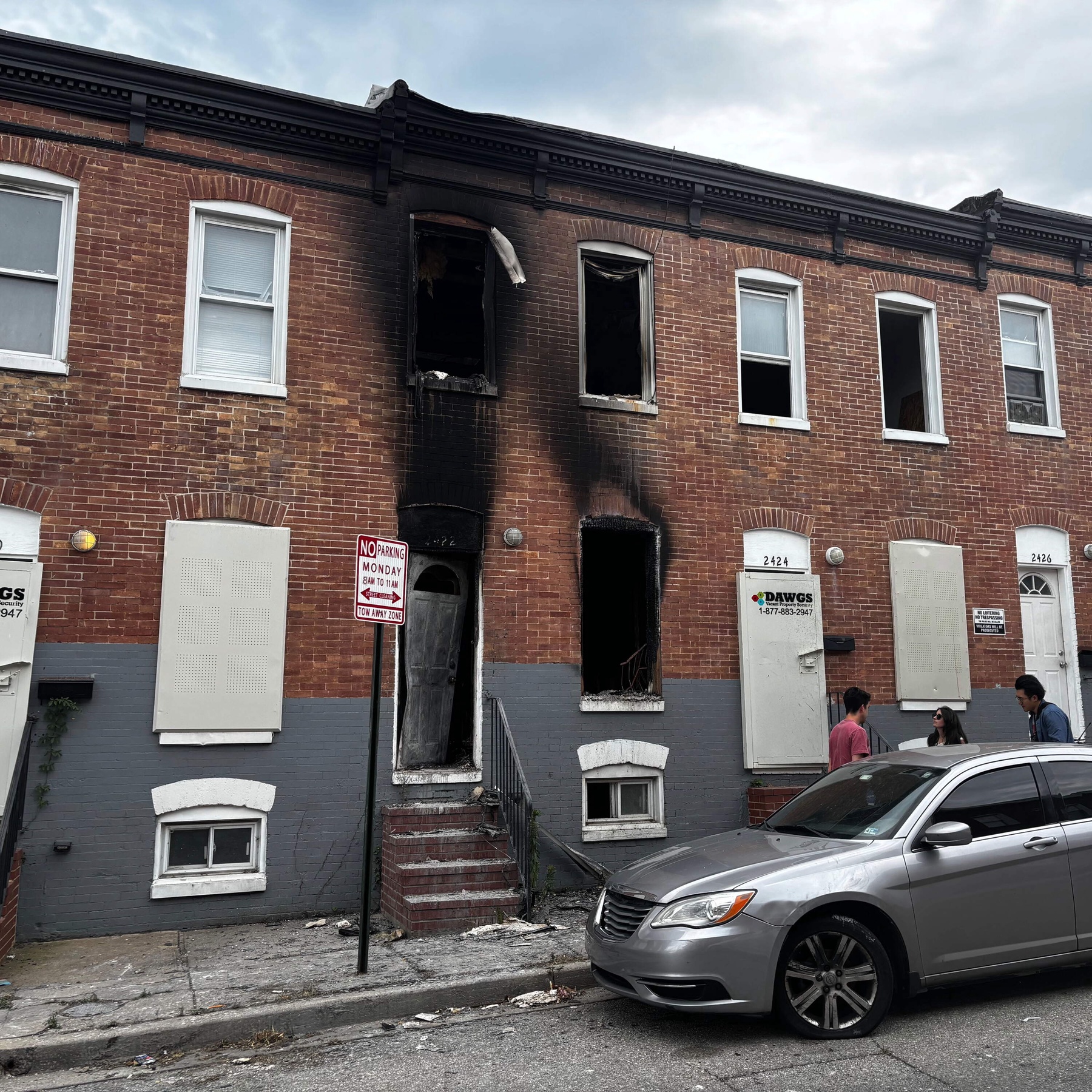
The 2400 block of Etting Street is part of a historically Black neighborhood in Baltimore. The LLC bought the houses a couple of years ago, all on one side of the street, and they went into foreclosure the following year. When reporters Jack Bologna and Hallie Miller visited the block the year before, that side of the street was in much better shape, and some tenants were still living there. Once the landlord stopped paying the mortgage and the homes went up for auction, nobody wanted to buy them, and they sat effectively abandoned.
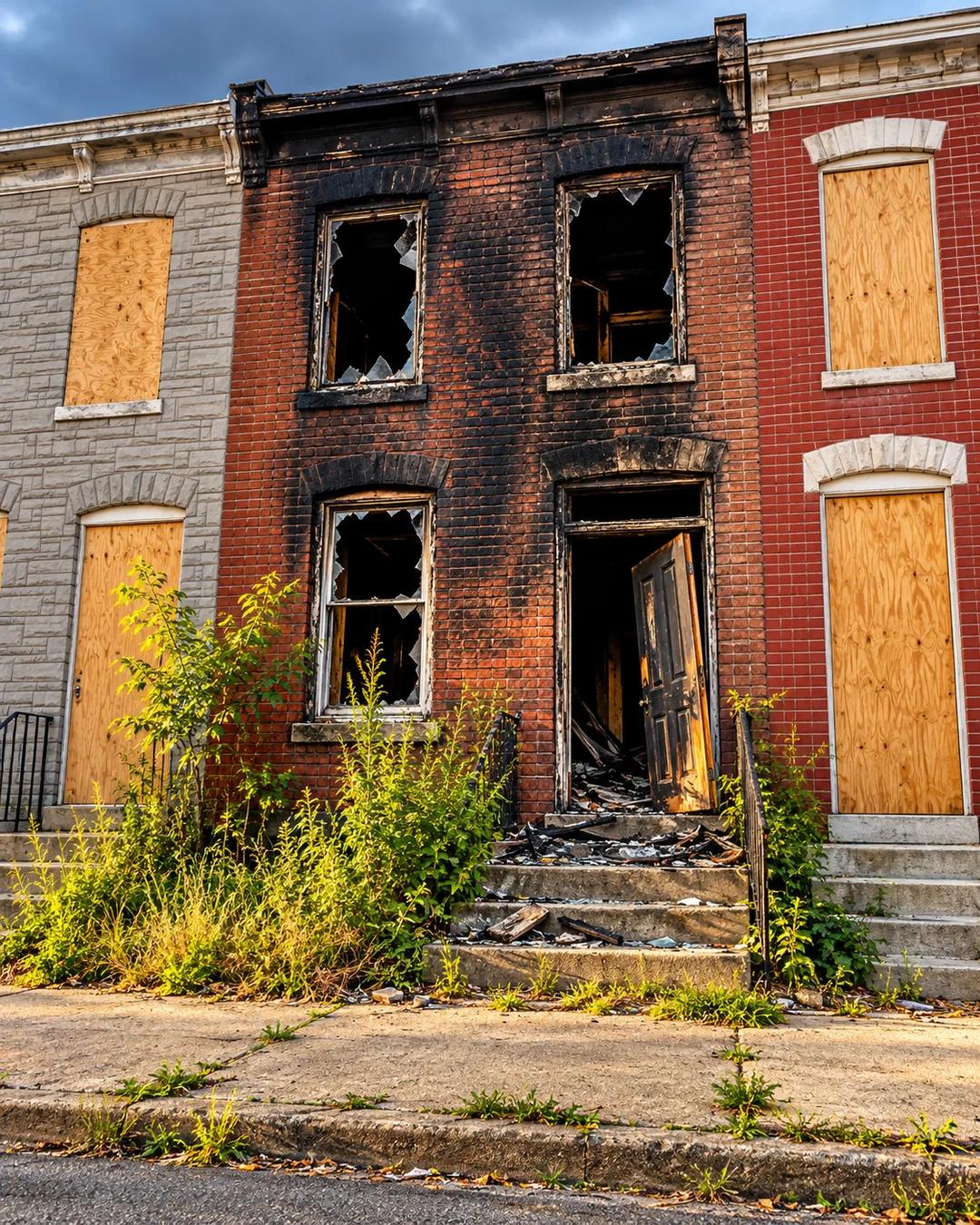
On a recent visit, one of the row houses was burned out, its front door hanging open, broken glass and debris underfoot, and the inside completely charred. The houses next to it were boarded up. The fire had started the week before, around 3:00 or 3:30 in the afternoon, and Jean Henry watched it from her window.
The neighbors
Jean and her neighbor Lisa Revlon have lived on the block for about 15 years. In the beginning it was full of families and children, and their side of the street still is. The other side has gotten worse since the new owners came in, with overgrown yards and no one tending the outside of the houses. Jean compares the investors in New York buying and trading these homes over their heads to a game of Monopoly.
Lenders pull back
Since the collapse, some private lenders have stopped lending in Baltimore altogether. DSCR loans have gotten harder to get there, and the city's crumbling row homes are still waiting to be fixed up.
Why do vacant houses catch fire so often?
Vacant buildings often have broken doors or boarded windows that let people in, along with accumulated trash and debris that burns. With no one inside, a fire can burn for a while before anyone reports it. The U.S. Fire Administration has treated vacant buildings as a recurring source of fires and a danger to firefighters. Row houses share side walls with their neighbors, so a fire can reach adjoining homes.
Why did nobody bid at the auctions?
At a foreclosure auction, the lender typically can bid up to the amount it is owed, and any other buyer has to beat that bid. When the debt is larger than what a house is worth on the market, outside bidders rarely top it. The house then goes back to the lender, which holds it as real estate owned, or REO.
More from Planet Money