Korva is a scroll of the internet’s best ideas.
Twenty years of raves, then the back row
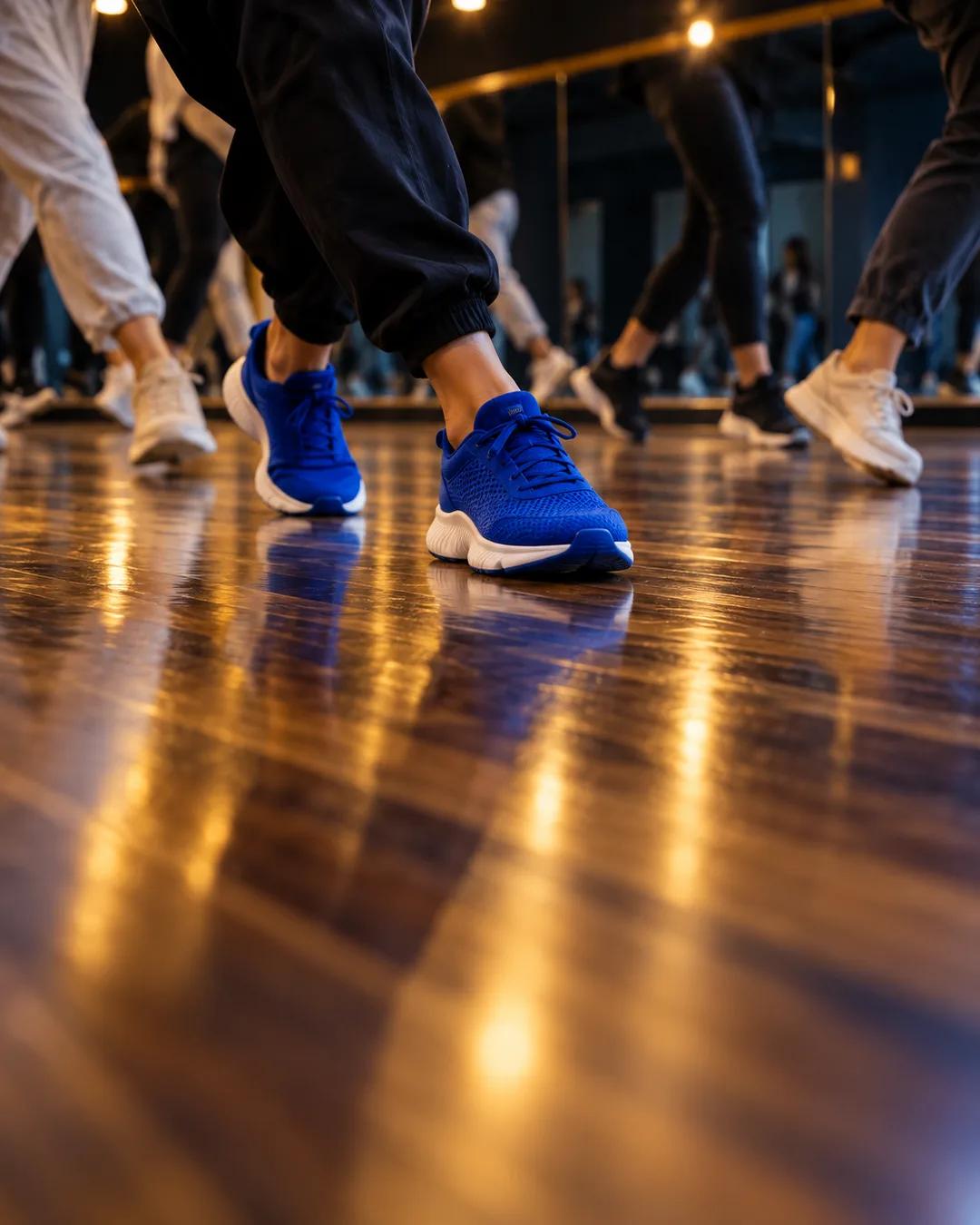
House is a specific style of dance that goes well with house music. For more than two decades, this dancer had danced at raves and parties, where people complimented them and sometimes even asked if they were a professional.
Walking into the studio, they didn't know what to expect, but they had reason to think they might not be terrible. Within one class they were the dunce in the back, surrounded by people who moved in ways they hadn't known existed.
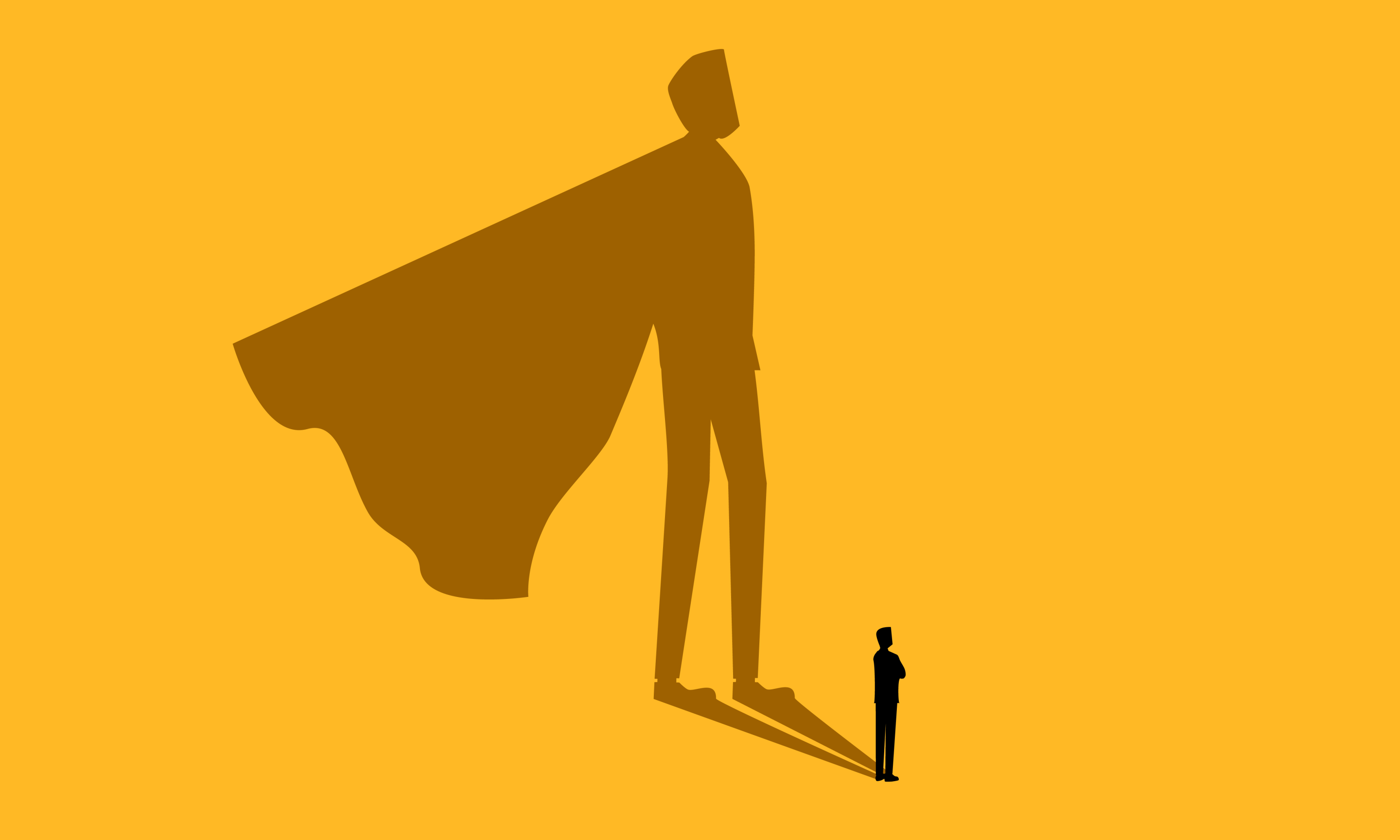
Nothing about the raves had shown the gap, because nothing there had put their dancing next to anyone better. That gap between feeling good and being good is what psychologists call the Dunning-Kruger effect, a concept that is often cited and still debated.
Why does dancing alone hide your true level?
In 1954, psychologist Leon Festinger proposed social comparison theory, which holds that people judge their abilities by comparing themselves with others when no objective yardstick exists. Dancing has no score, so the people nearby serve as the yardstick. A rave or party sets a yardstick made of other casual dancers. Festinger's paper appeared in the journal Human Relations.
How did house dance begin in clubs?
House music took shape in Chicago clubs in the early 1980s, and its name is commonly traced to The Warehouse, where DJ Frankie Knuckles played. Dancers in Chicago and New York clubs developed their own vocabulary alongside it, including footwork patterns and a rippling torso movement called jacking. Much of it was passed on in clubs and at parties before studios taught it as a formal style.
More from Matthew Hutson