Korva is a scroll of the internet’s best ideas.
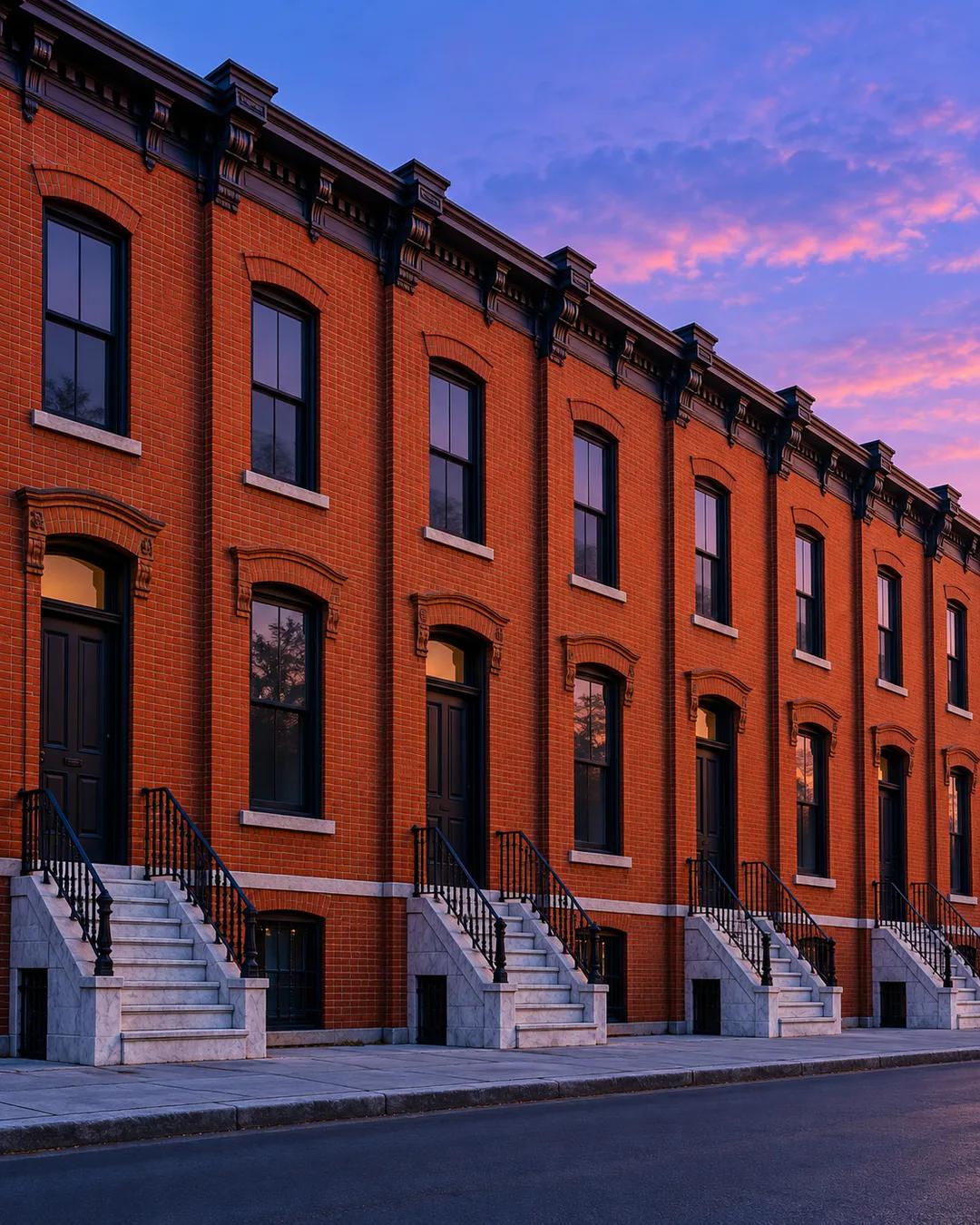
Two nobodies borrowed $100 million
The anonymous tip
The tip reached Jack Bologna, a business and development reporter at the Baltimore Banner, as a text asking if he was interested in two big investor foreclosures. An anonymous real estate insider described two out-of-towners who had bought old row homes fast and borrowed heavily, and now many of those homes were heading to the auction block. The paperwork listed an address in a suburb north of New York City, and housing reporter Hallie Miller, who had covered the city for years, found that nobody in the Baltimore community had ever heard of them.
Counting the loans
Jack and Hallie worked through the public records and built a spreadsheet of what each home cost and how much had been borrowed against it. The total pointed to what they believe is one of the largest private real estate portfolios in Baltimore, financed with about $100 million in loans. Hallie ran the numbers more than once, because a total like that looks wrong the first time.
Foreclosure and inflated prices
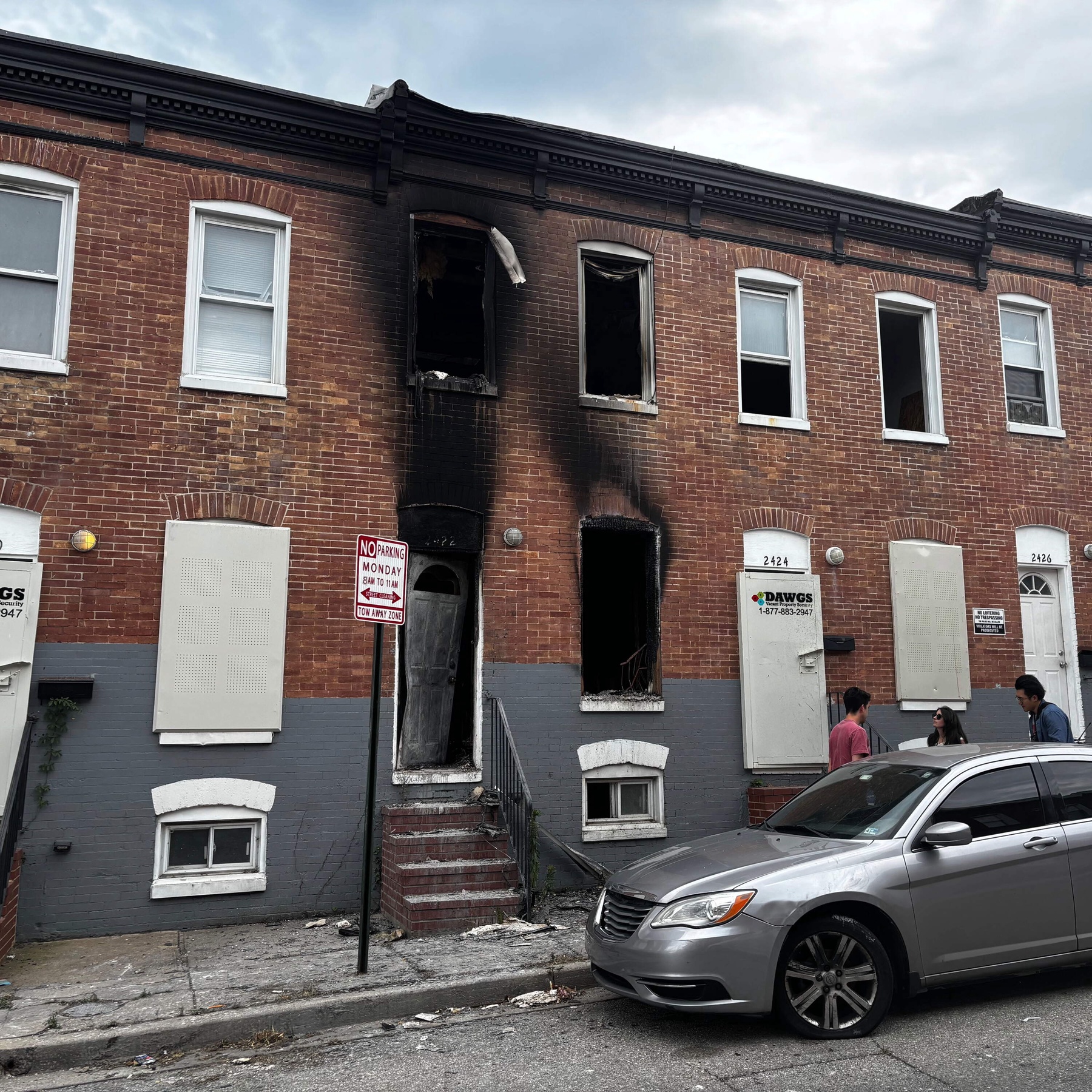
Starting in late 2024, almost all of the homes went into foreclosure at the same time. Companies tied to one of the landlords declared bankruptcy, and one of the first documents in that case reported that only about a third of the homes had ever been occupied.
The buyers had also been paying double or triple what the same houses sold for a couple of years earlier, and the homes Jack and Hallie visited did not look recently renovated or worth the higher prices. The two reporters and their colleague Sahana Jayaraman published a series on what they found last fall.
Why are mortgages and deeds public records?
Local recording offices have kept land records for centuries so that buyers and lenders can see who owns a property and who has claims against it. Colonial governments began requiring deeds to be recorded in the 1600s, to settle competing claims to the same land. Each deed and mortgage is filed in a land records office and indexed by name and by property, which lets anyone trace one buyer's purchases and loans across many houses. In most states, filing a deed or mortgage gives public notice of the claim.
How does bankruptcy affect a foreclosure?
Filing for bankruptcy under the U.S. Bankruptcy Code triggers an automatic stay. The stay generally halts creditors' collection efforts, including foreclosure sales, from the moment the petition is filed. A lender can ask the court to lift the stay by showing cause, so the pause is often temporary. The stay is set out in Section 362 of the Bankruptcy Code.
Why did Baltimore have so many cheap row houses?
Baltimore's population peaked at about 950,000 in the 1950 census. By the 2020 census it was about 585,000. Row houses built for the larger city lost buyers block by block, and many sat vacant for years. Some blocks today still hold a mix of occupied homes and vacant ones.
More from Planet Money