Korva is a scroll of the internet’s best ideas.

Joining the WTO
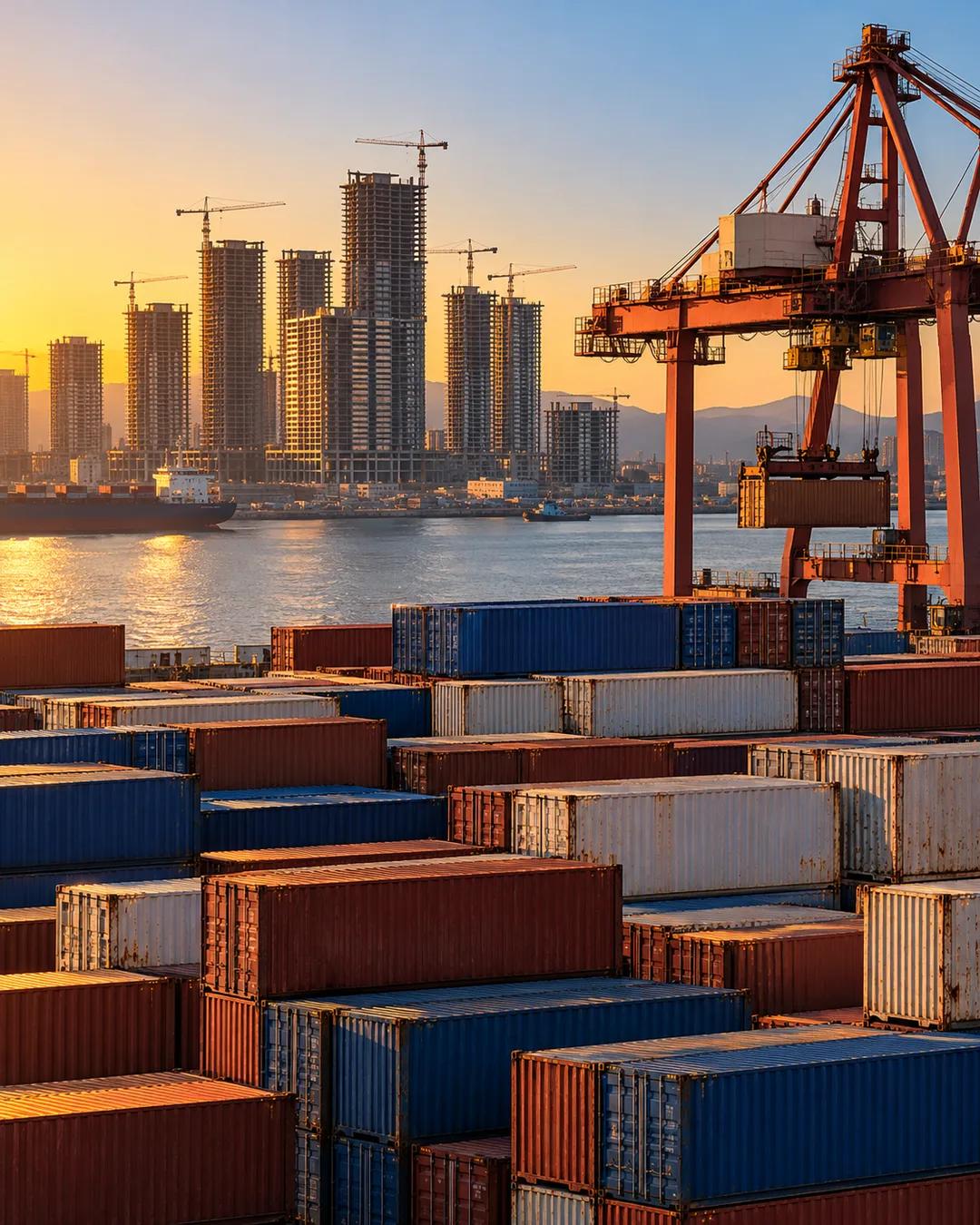
China joined the WTO in 2001, and Chinese trade with the world has grown twelvefold since then. Last year's trade volume was about 6.5 trillion US dollars, which makes China the world's biggest trader and probably the biggest trader in history.
Housing privatization
Housing privatization gave rise to an industry of private real estate developers. At its height, before the crackdown a couple of years ago, real estate and related activity made up about 30 percent of GDP. By historical standards in China, the crackdown on the sector is one of the biggest on private industry, given the sheer volume and market capitalization of the developers.
Fiscal centralization
Zhu also centralized fiscal governance in Chinese elite politics. The central government took more control over tax revenues and over the balance sheets of local governments, a trend that has run from the 1990s onward.
How did WTO entry reassure exporters?
Before 2001, the US reviewed China's trade status every year, which left exporters facing the risk of sudden tariff increases. In 2000 the US Congress granted China permanent normal trade relations, ending the annual review once China joined. WTO membership also bound China to lower tariffs and gave members a formal process for settling disputes.
Why did Beijing take control of tax revenue?
Before 1994, provinces collected taxes and passed fixed sums to the central government, and by official fiscal statistics the center's share of total revenue had fallen to about a fifth. The 1994 tax-sharing reform, designed while Zhu was vice premier, assigned the value-added tax mainly to the central government. The central share of budget revenue rose to more than half within a year.
Why did land sales fund local governments?
Under the 1994 split, the center took the larger share of revenue while local governments kept most spending duties, including schools, hospitals, and roads. Cities could sell land-use rights, because the land belongs to the state, to developers. Ministry of Finance data show revenue from land sales by local governments exceeded 8 trillion yuan in 2020.
More from The Prof G Pod with Scott Galloway