Korva is a scroll of the internet’s best ideas.
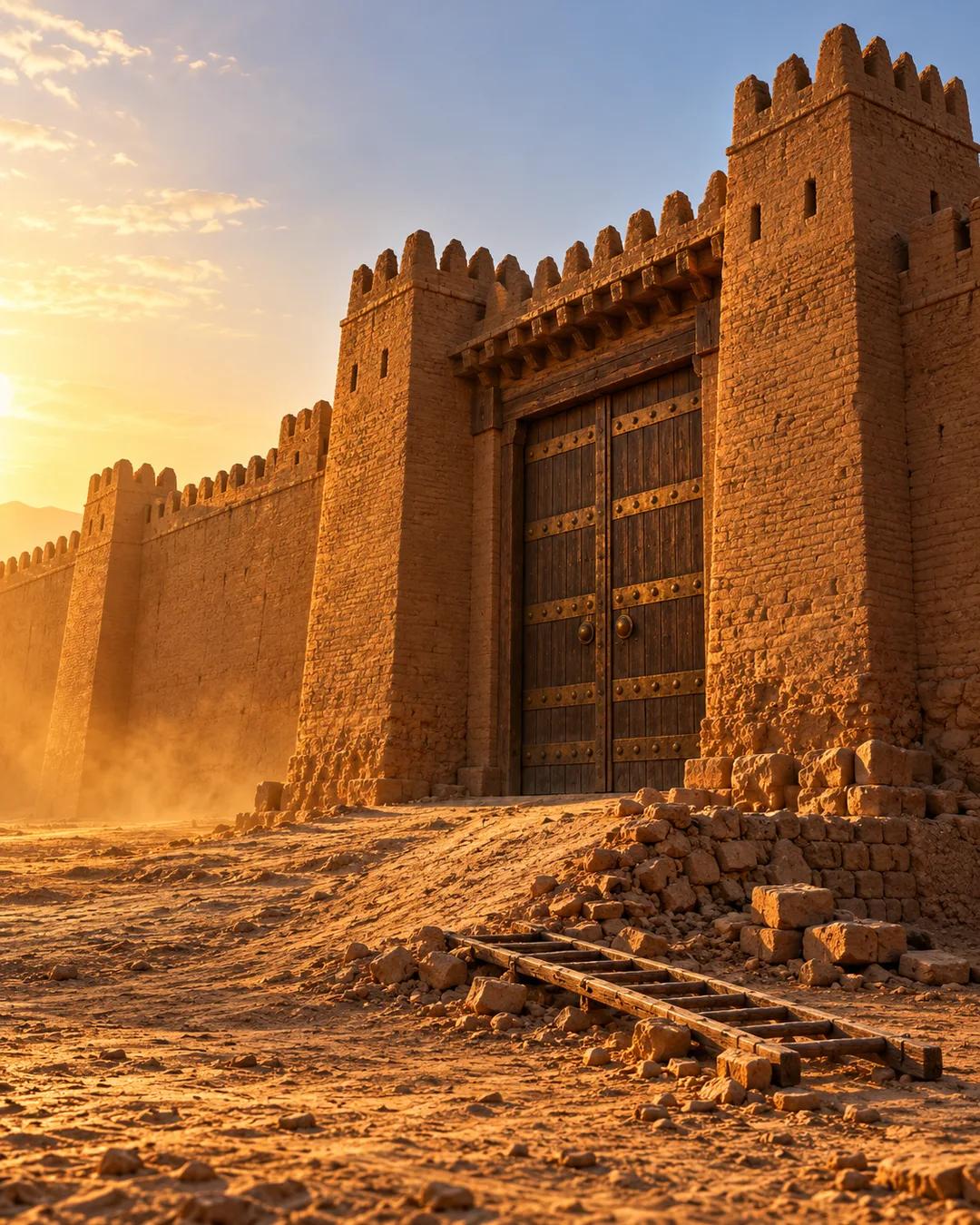
Two years besieging his brother

Dividing the empire
Their father, Esarhaddon, divided the responsibilities in 672 BCE. Shamash-shum-ukin was older and would ordinarily have been next in line, but almost everyone, Esarhaddon included, seems to have preferred Ashurbanipal. Shamash-shum-ukin got control of Babylon, and Ashurbanipal was named crown prince of Assyria. Historians read this in two ways: either Ashurbanipal was always meant to rule the whole empire, with Babylon more like a vassal state, or the empire was being divided between two sons.
A friendship sours
Ashurbanipal was fond of his brother at first, but over time that deteriorated. He began describing him as ungrateful and traitorous and would not mention his name without an epithet. Shamash-shum-ukin chafed at Ashurbanipal's attempts to control Babylon and to tell him what to do.
Revolt and siege
Eventually Ashurbanipal was encouraging the citizens of Babylon to rebel against their ruler, and Shamash-shum-ukin was working directly with Lydia, Elam, and other territories to revolt against Ashurbanipal. Ashurbanipal besieged the cities involved, including a two-year siege of Babylon during which conditions in the city became truly horrific. In 648 BCE, Shamash-shum-ukin is believed to have thrown himself into the flames while his palace was burning.
Why did Esarhaddon split rule between two sons?
Esarhaddon had come to power after his own father, Sennacherib, was murdered in a dispute over succession. He then arranged his own succession in writing and made his vassals swear to it in 672 BCE. The treaty named Ashurbanipal as crown prince of Assyria and Shamash-shum-ukin as crown prince of Babylon. Esarhaddon died in 669 BCE, and Ashurbanipal took the Assyrian throne.
Why did Babylon matter so much to Assyria?
Babylon was the religious and scholarly center of Mesopotamia and the home of the god Marduk. Its learned scribes and its libraries held traditions that Assyrian kings themselves drew on. Several earlier Assyrian rulers held the title King of Babylon, including Tiglath-Pileser III, who took the Babylonian throne in 729 BCE.
How did a siege wear down a walled city?
A besieging army cut a city off from outside food, supplies, and often water, then waited for hunger to do the work. Babylon sat behind massive double walls, so Assyrian forces had little chance of storming it. Ashurbanipal's own royal inscriptions describe famine inside the city during the siege. After it fell, the Babylonian throne passed to a ruler named Kandalanu, who is attested in contemporary documents.
More from Stuff You Missed in History Class