Korva is a scroll of the internet’s best ideas.
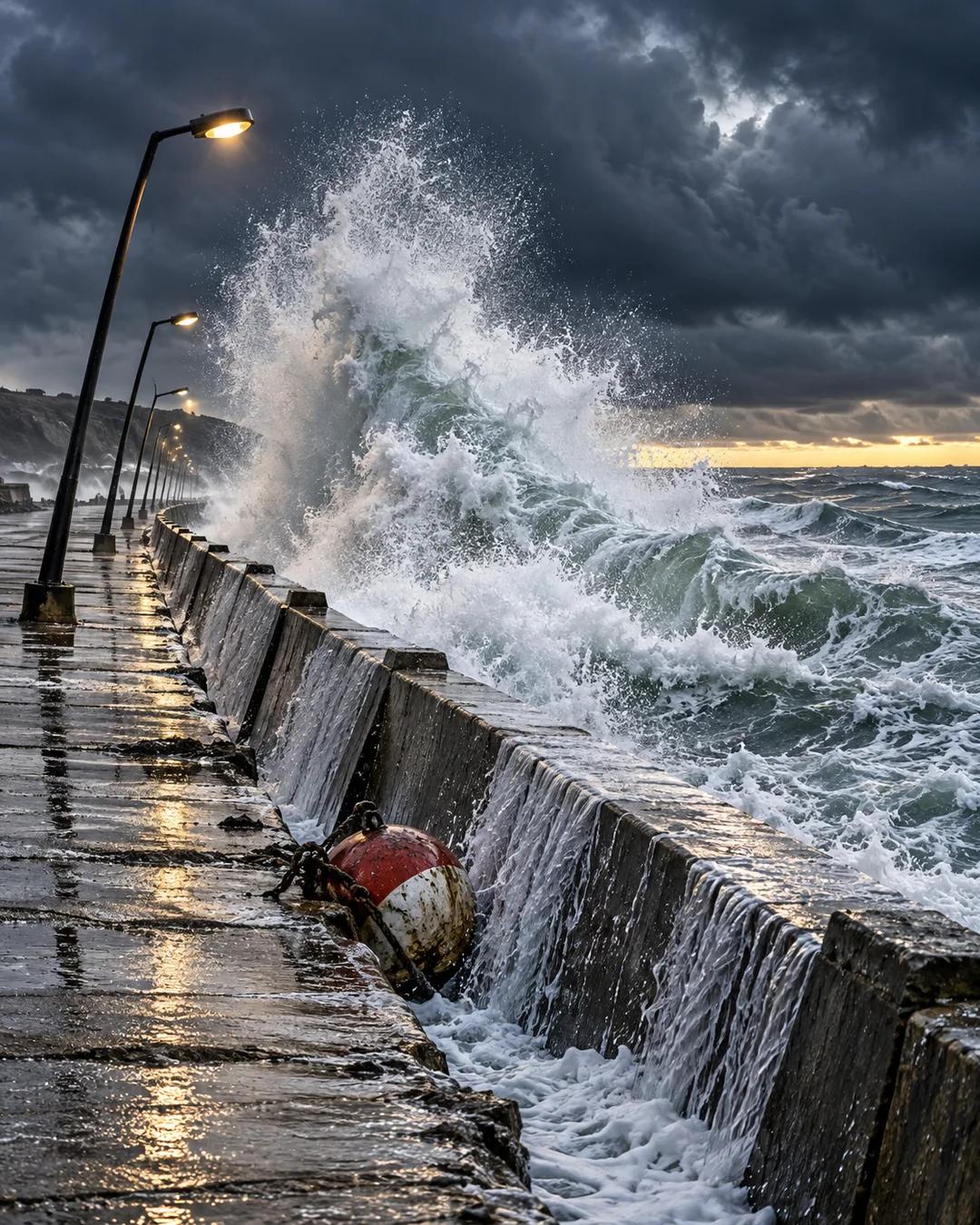
Typhoon Dolphin hit after 16 days

Dolphin's path
The storm began about 6,000 kilometers east of Zhejiang. Its 16-day lifespan is three times that of a typical typhoon. Winds reached up to 150 kilometers an hour, more than 1 million people were evacuated, and about 40 percent of flights in Shanghai were grounded.
Dolphin has since been downgraded to a tropical storm, but damage and major flood alerts continue, and its remnants are affecting large areas of eastern and southern coastal China.
Season and heat records
The typhoon came two weeks after Typhoon Bavi forced about 1.7 million evacuations. Forecasts call for one of the most active Northwest Pacific typhoon seasons on record, with 28 tropical storms and 20 typhoons projected this year.
Hong Kong recorded its hottest day ever on the Sunday the typhoon struck: 36.9 degrees Celsius, the highest since records began in 1884.
Why can a typhoon last over two weeks?
A tropical cyclone draws its energy from warm ocean water, with sea surface temperatures of about 26.5 degrees Celsius or higher generally cited as the threshold. As long as a storm stays over warm water, it can keep itself going. Winds that change sharply in speed or direction with height, known as wind shear, tear a storm's structure apart. Storms that form near the international dateline cross the vast warm expanse of the western Pacific before reaching Asia.
Why do storms weaken after making landfall?
Once a typhoon moves over land, it loses its supply of warm, moist air from the ocean. Friction with the terrain also slows the winds near the surface. The rain can keep falling for a long time, though, because the storm's moisture is still being carried inland. In August 1975 the remnants of Typhoon Nina dropped more than 1,000 millimeters of rain in a single day in Henan province, and the Banqiao Dam collapsed.
How does China warn people about typhoons?
The China Meteorological Administration issues typhoon warnings in four colors: blue, yellow, orange, and red. Each level is tied to expected wind strength and timing. Local governments use the alerts to trigger actions such as halting ferries, closing schools, and moving coastal residents inland. Red is the highest level.
More from The Prof G Pod with Scott Galloway