Korva is a scroll of the internet’s best ideas.
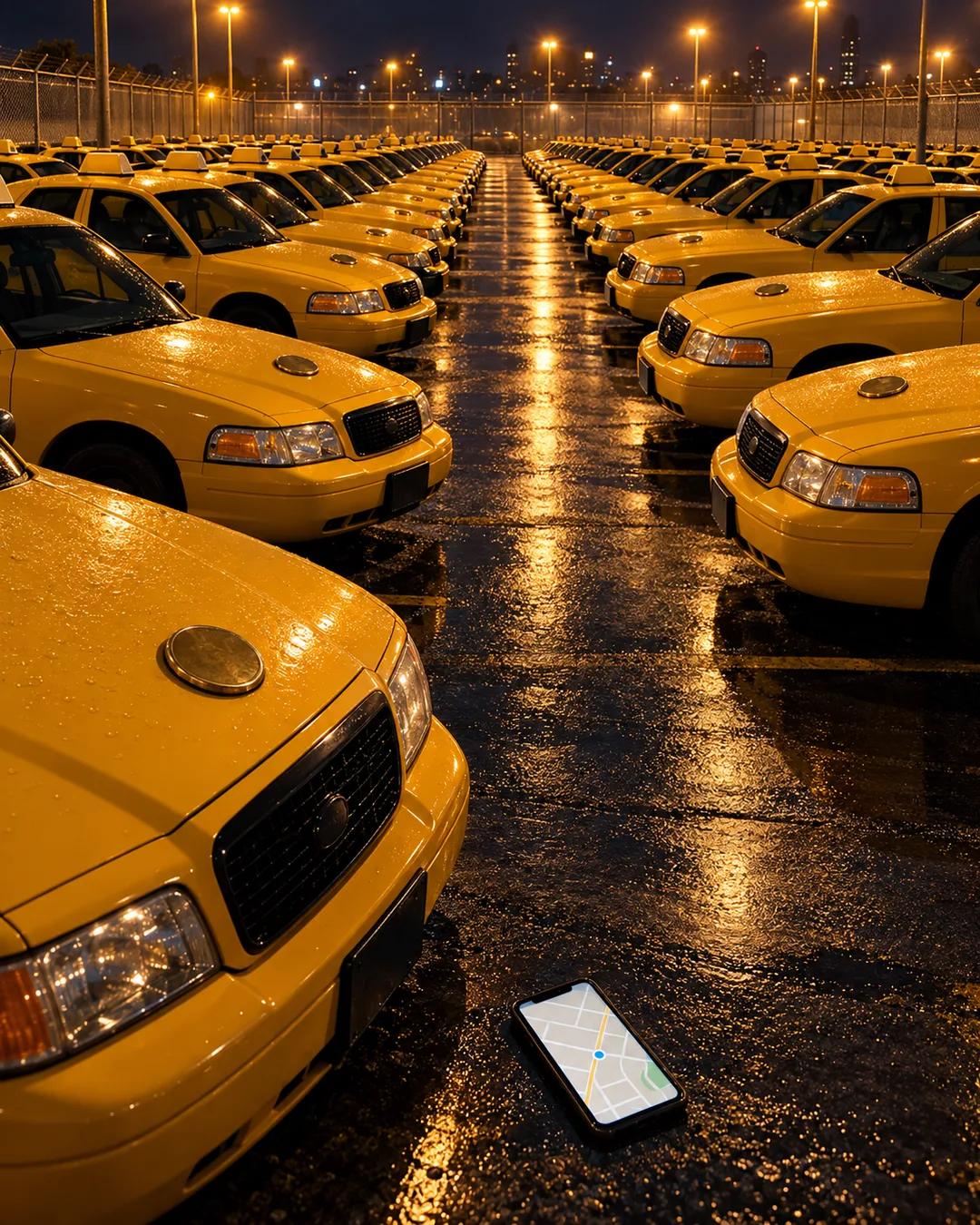
Uber's costs are all variable

Uber's entry point
Uber began by disrupting black sedans and then came down to offer a better product than taxis at roughly the same price. It did not enter at the bottom of the market. Entering at the bottom correlates with disruptive success without causing it.
Fixed versus variable costs
A taxi business is asset intensive: it owns the car and the medallion, its costs are fixed, and the cabs have to be on the road 24 hours a day to make money. Uber owns no assets, and its costs are all variable.
What disruptors need
Disruptors do not always have to start at the low end. They have to build a business model the incumbents just can't get to from where they are.
Why are taxi medallions so expensive?
Cities such as New York cap the number of medallions, which are licenses to operate a taxi. A fixed supply of permits with steady demand pushes their price up. New York medallion prices climbed above 1 million dollars in the early 2010s, according to the city's Taxi and Limousine Commission. They fell sharply after ride-hailing services grew.
How did Uber begin?
Uber started in San Francisco in 2010 under the name UberCab. Its first service connected riders with black sedans and limousines through a smartphone app. The company added a cheaper service, UberX, in 2012. By then it had built a network of drivers and riders that taxi companies did not have.
Why are variable costs a competitive edge?
A business with mostly fixed costs must cover them whether or not customers show up. A business with mostly variable costs pays only when work is done, so its costs shrink when demand falls. Economists call the first pattern high operating leverage. Companies with fixed costs cannot easily copy a rival's flexible structure without rebuilding their business.
More from Talks at Google