Korva is a scroll of the internet’s best ideas.
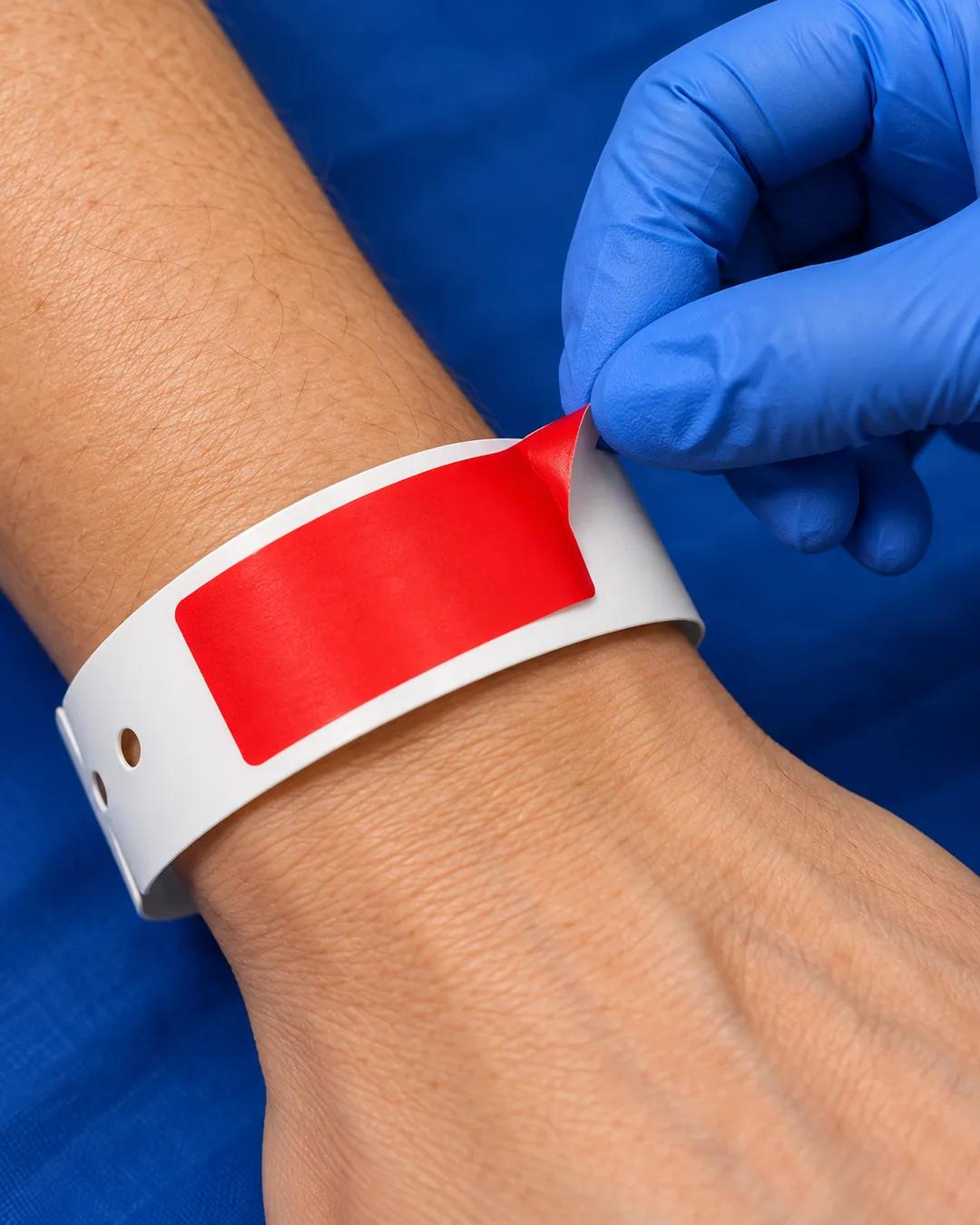
Under 1% of labels get removed

Clearing labels in the hospital
Without an allergist involved, algorithmic care can clear allergy in low-risk situations. When a patient has an infection and the allergy label is getting in the way of the best care, a two-step drug challenge can be done, as long as the patient is healthy enough. The patient is already in the hospital and observed, with vital signs on record.
Flipping the default and giving penicillin to everyone, then treating the few who turn out to be allergic, would kill some people by accident. In America that is a non-starter, partly because of the oath to first do no harm.
Policy and savings
The push is to move leverage away from allergists. In some states, pharmacists are now allowed to perform the penicillin skin test. The PAVE Act, which stands for Penicillin Allergy Verification and Evaluation, was reintroduced by a Republican congressman with Democratic support. It would fold allergy awareness into annual wellness visits and the welcome to Medicare visit.
The savings are large. Evaluating and delabeling just one health care system would save millions of dollars, because penicillins are cheaper than other antibiotics and cause fewer adverse effects.
Why do pharmacists give skin tests in some states?
Pharmacists are among the most accessible health professionals, and many patients see them more often than any physician. Some states have expanded pharmacist scope of practice to cover certain tests and vaccines. Skin testing needs trained staff and a plan for rare reactions. The aim of such laws is to move delabeling out of the limited pool of allergy clinics.
Why are penicillins cheaper than the alternatives?
Penicillin has been off patent since the mid-twentieth century, so many manufacturers make it and generic competition keeps the price low. The substitute drugs used for labeled patients are often newer, broader, or administered intravenously. Those drugs typically cost more per course. Patients on them also tend to have longer hospital stays.
What does Medicare's welcome visit include?
The Welcome to Medicare visit is a one-time preventive appointment available within the first twelve months of Part B enrollment. It covers a review of medical and social history, a health risk assessment, and a plan for preventive screenings. The annual wellness visit then repeats a similar review each year. Medication lists, including recorded allergies, are reviewed at such visits.
More from Freakonomics Radio Network