Korva is a scroll of the internet’s best ideas.
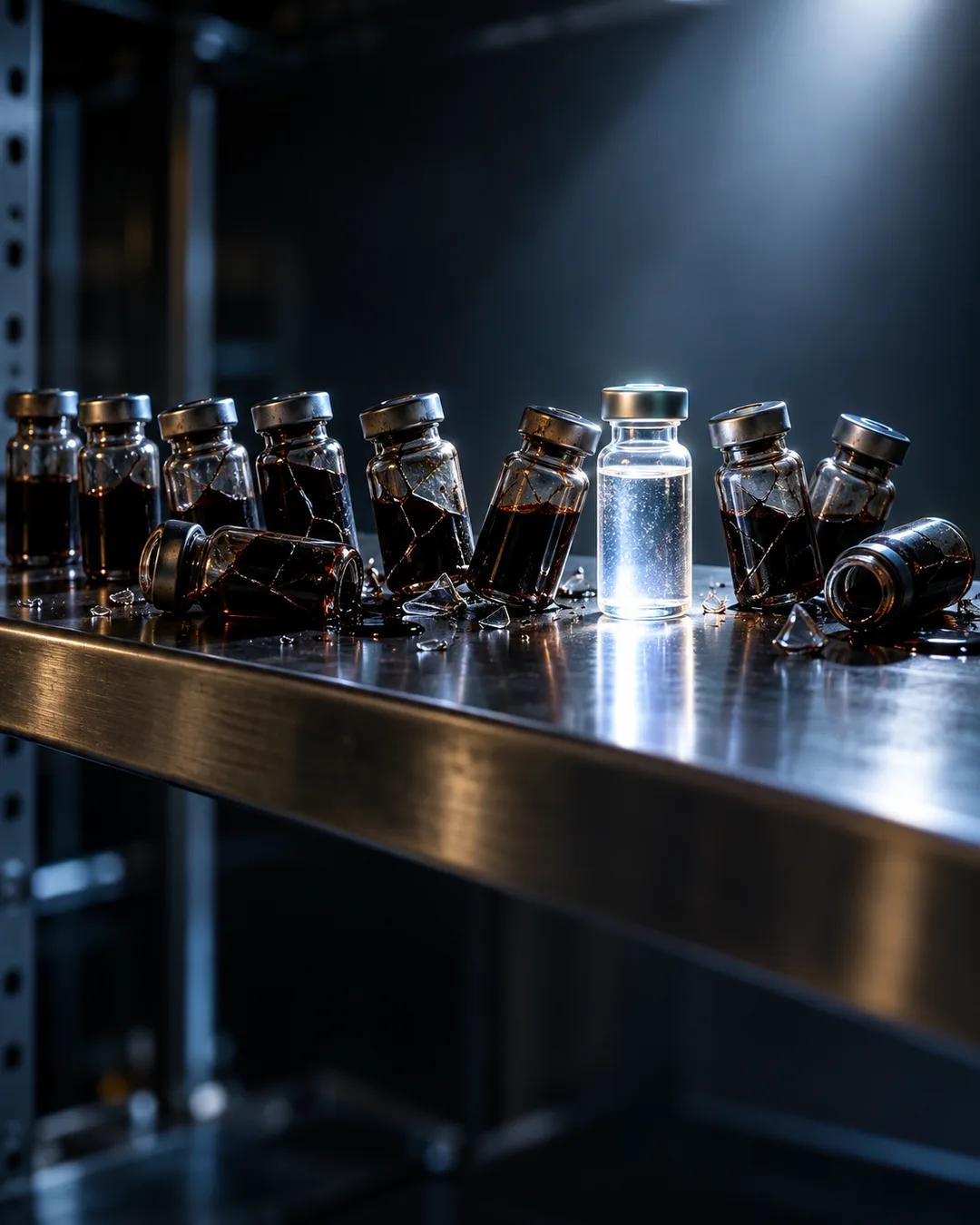
Up to 90% of drug candidates fail

Much of that time goes to target identification and validation and to preclinical work and clinical trials. The most brutal part is that many candidates fail even late in the process, which makes drug discovery a very inefficient process.
AI tools like Claude Science and GPT Rosalind aim at the front end: discovery, hit finding, lead optimization, and predicting how a drug will play out in preclinical testing. Better work there could mean a better hit rate by the time a drug is released.
Pharma is also a super high margin buyer. Developers switch coding tools easily, while the lock-in for the scientific community is heavy. A lab that nails this could co-develop drugs with pharma companies.
Why do so many drug candidates fail late?
Early lab and animal tests can only approximate how a drug behaves in the human body. A compound that looks promising may turn out to be ineffective in people or cause side effects that did not appear before. Large human trials are the first test of how well the drug works across many different patients. Reviews of clinical trial data have found that lack of efficacy and safety problems are the two leading causes of failure.
What does lead optimization actually involve?
A lead is a compound that shows useful activity against a disease target but is not yet a good drug. Chemists tweak its structure to improve how tightly it binds, how well the body absorbs it, and how long it lasts. Each tweak is made and tested, and the cycle repeats many times. This stage commonly takes years and involves synthesizing hundreds of related molecules.
Why does preclinical testing take so long?
Before any human receives a drug, regulators require safety studies in cell cultures and animals. These studies look at how the compound is absorbed and cleared and at what dose harms organs. Manufacturing a consistent batch for testing is a separate task, and the data must be assembled into a formal application. In the United States, that application is called an Investigational New Drug application and goes to the FDA.
More from Lightspeed Venture Partners