Korva is a scroll of the internet’s best ideas.
Viruses still need a wet lab

Design versus production
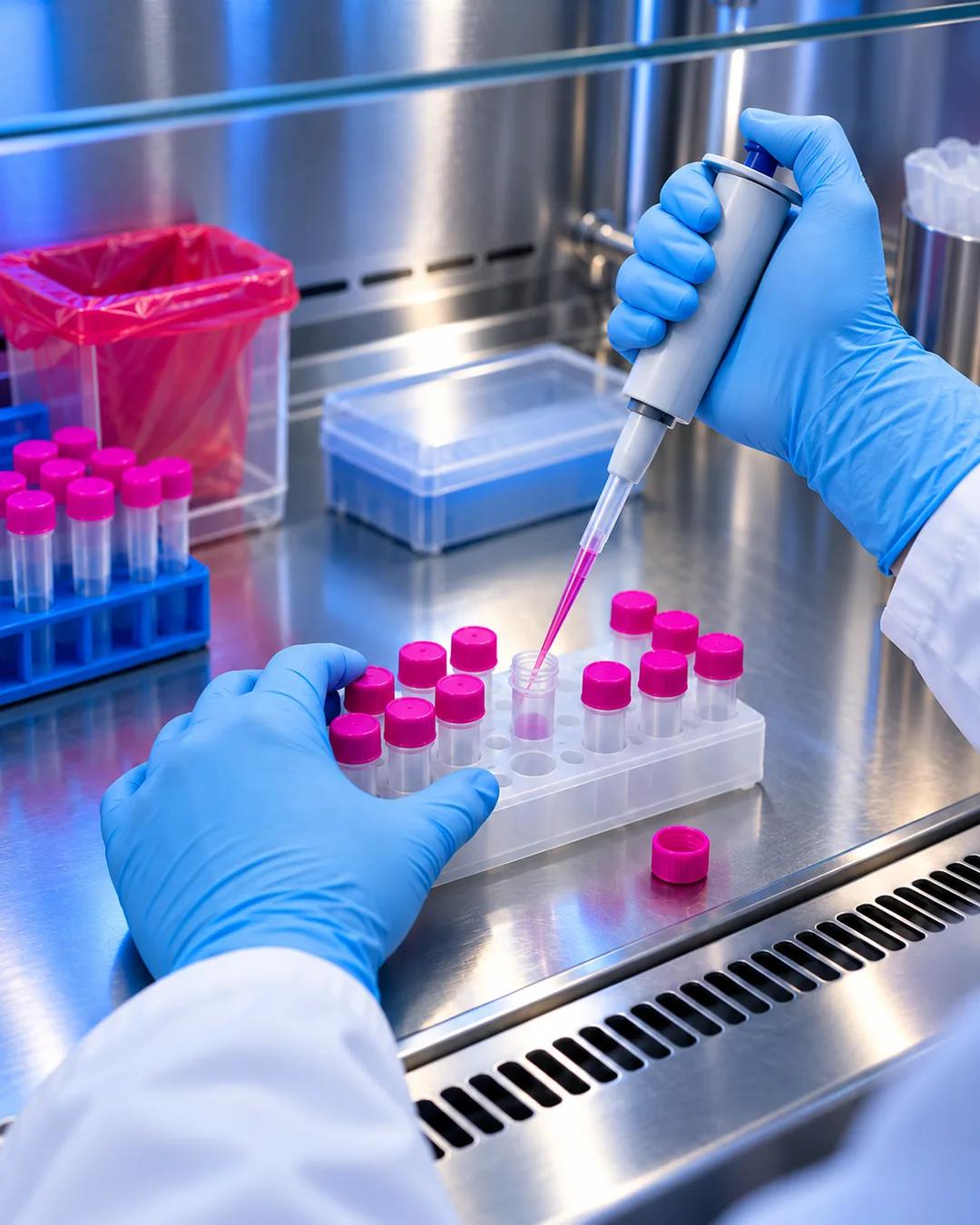
AI did not one-shot a virus. It was immensely helpful in the design process, but to manufacture and produce anything, the design has to go through an actual lab. The information part is easy. The production part is difficult, and it takes a wet lab and trained researchers.
Guardrails and regulation
That keeps a human in the loop, and it leaves production as the bottleneck where regulation can be brought in. Some labs have also put guardrails on their own models: even the most advanced frontier models in biology and cyber revert to less advanced models when queried on such topics.
The capability jump
The concern for many people is the capability jump that the underlying models keep making. A bacteriophage genome is quite simple, and as AI improves, more complicated genomes could come within reach. This work is the first example.
Why is making a virus harder than designing one?
A genome is a long string of letters, so a design is just information that can be copied instantly. Producing it means physically making DNA, which is built in short fragments and stitched together. The assembled genome must then be put into host cells that read it and produce the virus. In 2003, a team led by Craig Venter assembled the genome of the phiX174 bacteriophage from synthetic DNA fragments in about two weeks.
How do labs screen DNA orders for danger?
Companies that make synthetic DNA compare each ordered sequence against databases of known dangerous pathogens and toxins. The International Gene Synthesis Consortium, founded in 2009, set a shared screening protocol for its member companies. In 2010, the US Department of Health and Human Services issued screening guidance for providers of synthetic double-stranded DNA. Orders that match flagged sequences can be held for review.
How do developers test models for dangerous biology knowledge?
Developers run models against question sets designed to measure hazardous knowledge before release. One public example is the WMDP benchmark, released in 2024 by the Center for AI Safety and Scale AI. It covers biosecurity, cybersecurity, and chemical security. Developers can then train models to decline questions in those areas.