Korva is a scroll of the internet’s best ideas.
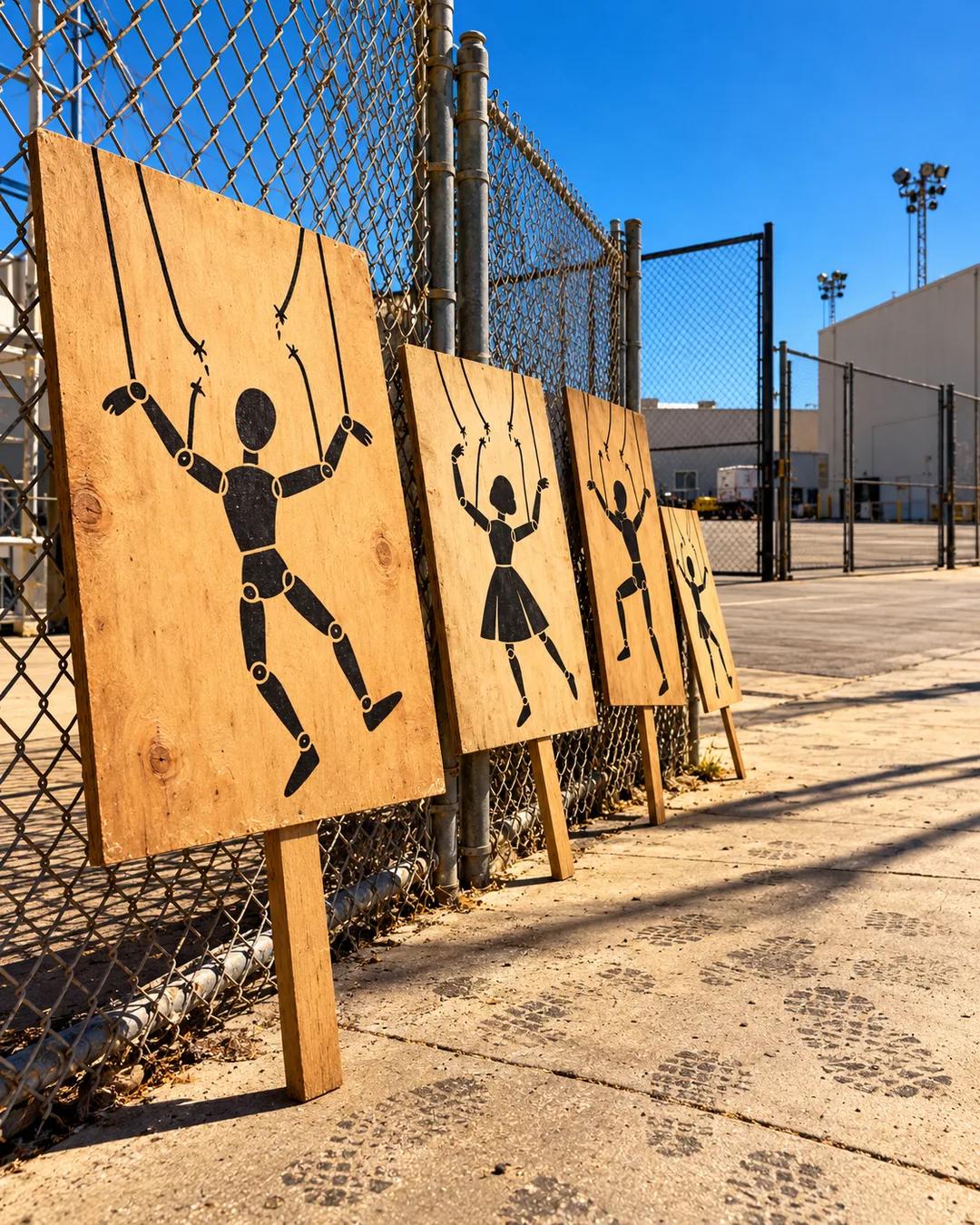
Walt lectured his studio for three hours

Pressure on pay
By spring 1941, Pinocchio's losses had left Disney under pressure from Bank of America and preferred stockholders to cut production costs sharply. Labor made up 85 to 90 percent of costs, so the cuts meant laying off more than half the staff. The company had raised pay for a few top animators and held or lowered it for everyone else. On May 29, the Screen Cartoonist Guild, which had already unionized every other major animation studio, targeted Disney.
In his speech, Walt told employees to put their own house in order, and that it is the law of the universe that the strong shall survive and the weak must fall by the way.
The strike
Hundreds of employees struck for three and a half months, picketing the Burbank campus with signs reading Snow White and the 700 Dwarves and, beside a drawn Pinocchio, No Strings on Me. In August, Walt left on a 10-week goodwill trip to Latin America for Nelson Rockefeller's office, which he welcomed as a chance to get away from the nightmare in Burbank, and he left his brother Roy to settle the strike.
The settlement
After federal mediation, Roy recognized the union, raised salaries for those who stayed, and agreed to layoffs of more than 500 employees. Headcount fell from 1,200 to under 700.
What changed for workers under the Wagner Act?
The National Labor Relations Act of 1935 gave most private-sector workers the legal right to organize and bargain collectively. It created the National Labor Relations Board to run union elections. Employers could no longer legally fire workers for joining a union. The law helped drive a wave of organizing across Hollywood in the late 1930s.
What did Walt's Latin America trip produce?
The trip, made at the request of the State Department's Office of the Coordinator of Inter-American Affairs, led to two films. Saludos Amigos came out in 1942, and The Three Caballeros followed in 1944. Both blended live action with animation and featured Donald Duck. The effort was part of the US Good Neighbor policy.
Why is animation mostly labor cost?
Each second of film needs a dozen or more hand-made drawings. Pencil animators, in-betweeners, cleanup artists, inkers, and painters each touched every drawing. The equipment itself, mainly cameras and paint, cost far less than the artists. That put labor at the center of the budget.
More from Acquired