Korva is a scroll of the internet’s best ideas.
Wanting and liking are separate

Chasing what we don't enjoy
That split explains why people chase things they don't enjoy. In drug addiction, users seek out what they want without necessarily getting pleasure from taking it. The distinction comes from rodent work by Kent Berridge and his colleagues, and the principle holds for people.
Doom scrolling
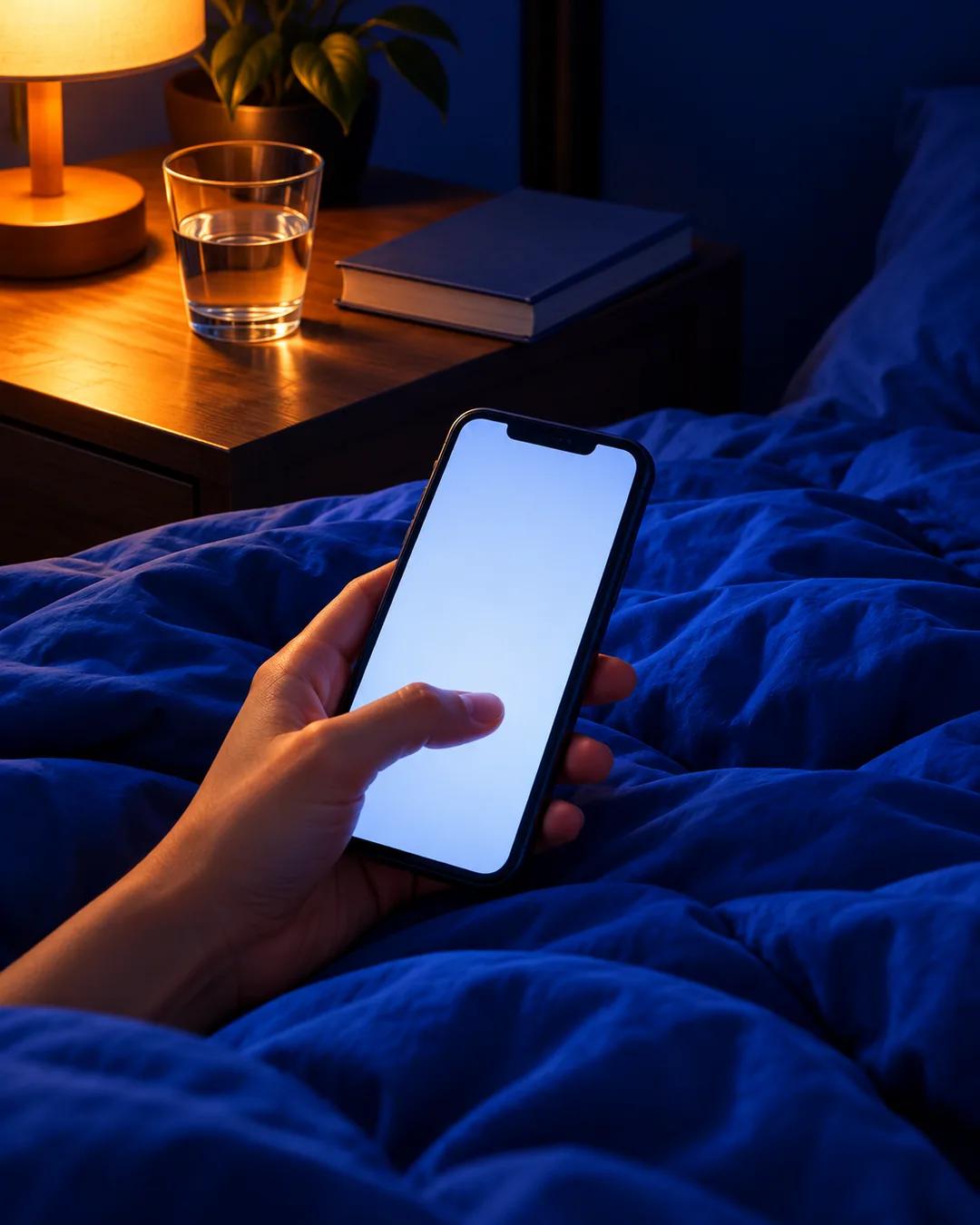
Doom scrolling looks like the same split. It feels compulsive more than rewarding, and people often notice they wasted time when they put the phone down, yet they go back anyway. The evidence that scrolling delivers dopamine hits isn't strong. Much of it may be mindless numbing out that feels neither good nor bad.
The video game scan
One old experiment used a PET scanner at Hammersmith Hospital in London, with a tracer that binds dopamine receptors. It found more dopamine release in the ventral striatum while people played a video game. The scan couldn't show whether the release came from the drive to keep playing or from the pleasure of it, because PET isn't fast enough to pull those two apart in time.
How did researchers separate wanting from liking?
Kent Berridge's lab measured the faces rats make when tasting sugar, since tongue protrusions are a reliable sign of enjoyment. Rats whose dopamine had been almost entirely depleted stopped seeking food but still made the enjoyment faces when sugar was placed in their mouths. Mice engineered to have extra dopamine worked harder for rewards without showing more enjoyment of them. Together these results pulled the drive to pursue apart from the pleasure of receiving.
Where in the brain does pleasure get amplified?
Berridge and Susana Pecina mapped small hedonic hotspots in the nucleus accumbens and the ventral pallidum. Stimulating opioid receptors in these spots roughly doubled rats' enjoyment reactions to sweet tastes in their 2005 experiments. The hotspots are tiny, a cubic millimeter or so in rats, while wanting spreads across much larger dopamine regions.
Why can't a PET scan separate drive from pleasure?
In a 1998 study published in Nature, Matthias Koepp and colleagues used PET with a tracer that competes with dopamine for receptors to show dopamine release during a video game. The scan has to collect signal for many minutes to build one image. Drive and pleasure both occur within seconds of each other during play, so a scan that averages over minutes sees them as one event.
More from Huberman Lab