Korva is a scroll of the internet’s best ideas.
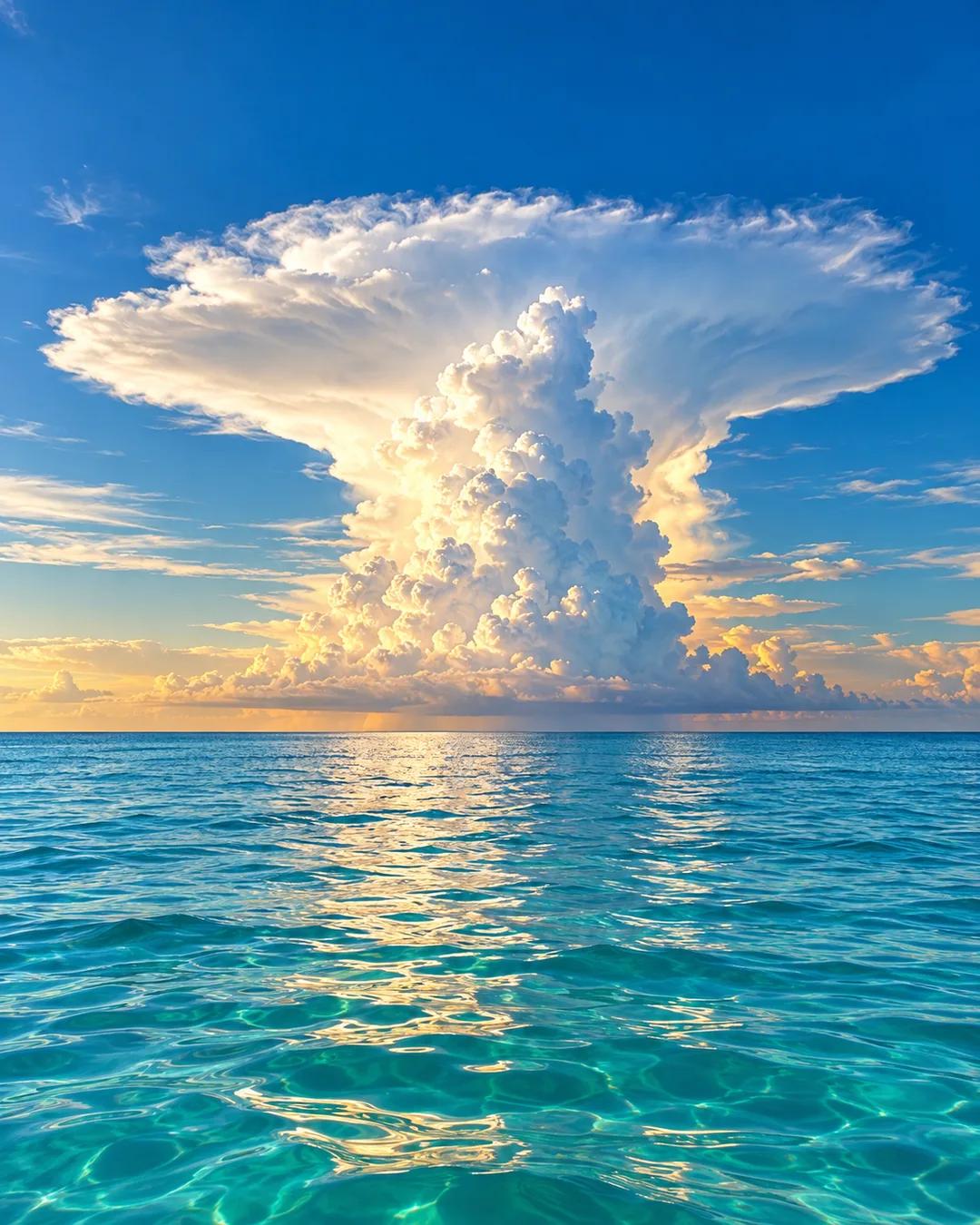
Warm Pacific water rearranges world weather
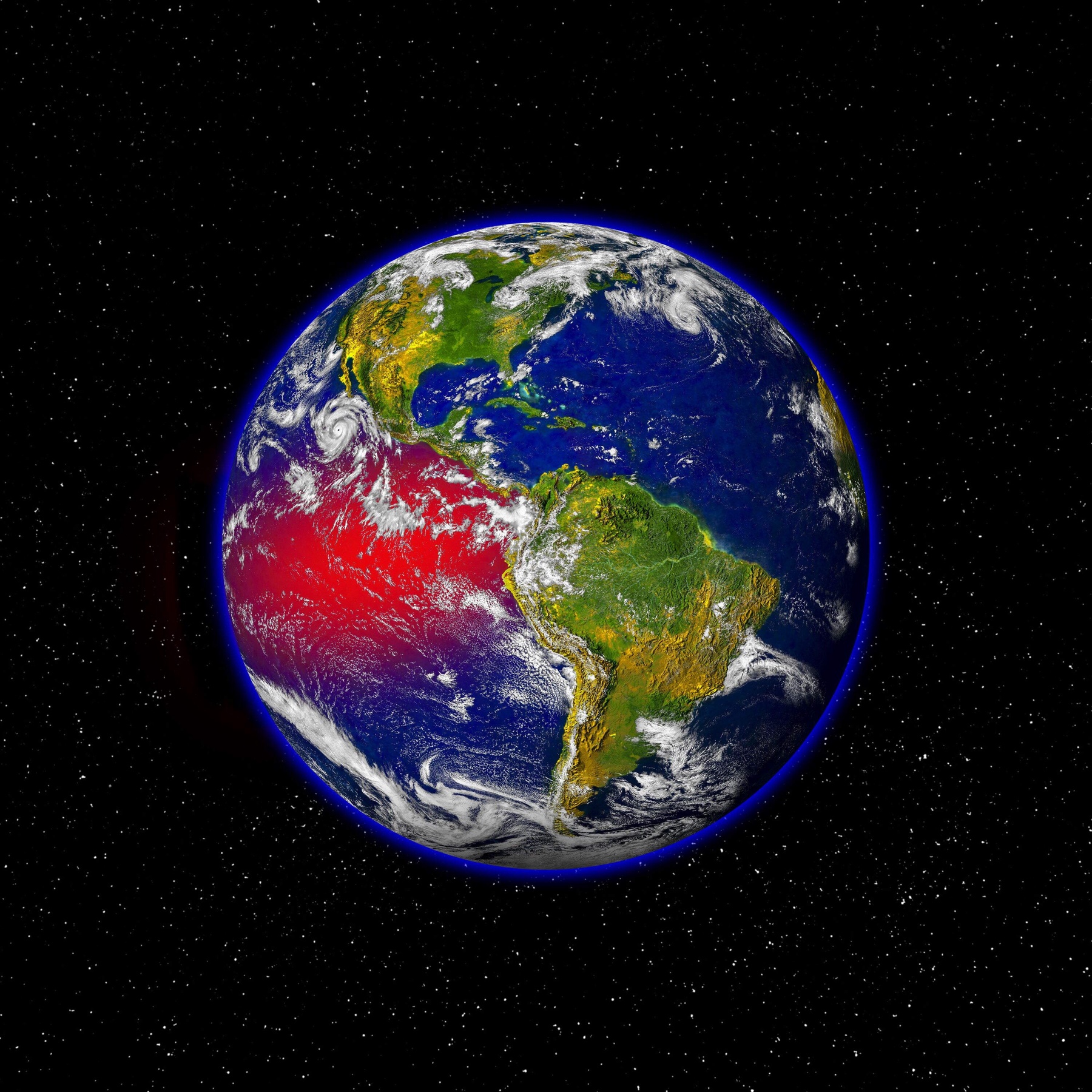
How warm water spreads
The warm water heats the atmosphere above it, and warm air rises, the way heat lifts off a hot bath. That rising air is a disturbance in the upper atmosphere, and it rearranges how air circulates over the Pacific and outside it. This is how anomalies get exported from the tropical Pacific to other continents.
A natural cycle
The cycle between El Niño and La Niña is natural, and an El Niño comes along every two to seven years. It originates in a part of the ocean with very few human inhabitants, which is one reason its long-term trends have been so hard to pin down.
Effects right now
The stronger the El Niño, the stronger the effects that travel with it. Right now they show up as tropical storms striking Hawaii and extreme drought in Indonesia.
How does warm water change air circulation?
In normal conditions, trade winds blow east to west along the equator and pile warm water up in the western Pacific. In an El Niño those winds weaken, and the zone of rising, rainy air shifts east with the warm water. Rising moist air releases heat as it condenses, which sets off giant waves of air motion that travel toward the poles. NOAA notes that these waves shift the jet stream, which is why El Niño winters tend to be wetter across the southern United States.
Why does an El Niño end?
The ocean and atmosphere change each other in a feedback loop that eventually turns on itself. Warm water spreading east sets off slow waves in the upper ocean that travel to the western edge of the Pacific, bounce back, and return as cooling signals. They also drain heat from the equatorial band. Strong events are often followed by La Niña, as the 1997 to 1998 El Niño was.
Why do El Niños bring storms to Hawaii?
El Niño shifts where tropical cyclones form, pushing activity toward the central Pacific. Warmer water there gives storms more fuel, and weaker upper-level winds let them hold together instead of being torn apart. NOAA's seasonal outlooks therefore expect more active hurricane seasons in the central and eastern Pacific during El Niño years.