Korva is a scroll of the internet’s best ideas.
We replaced grievance rituals with court

Old rituals
In the traditional communities studied for The Art of Fighting, people were born in the same place, died in the same place, prayed to the same god, and ate the same food. They had internal conflict rituals for dealing with the airing of grievances.
Modern courts
Modern life offers court, which is a very blunt tool, and in companies, union negotiations. Not everything should go to court, and not everything is meant for a union negotiation.
A shared language
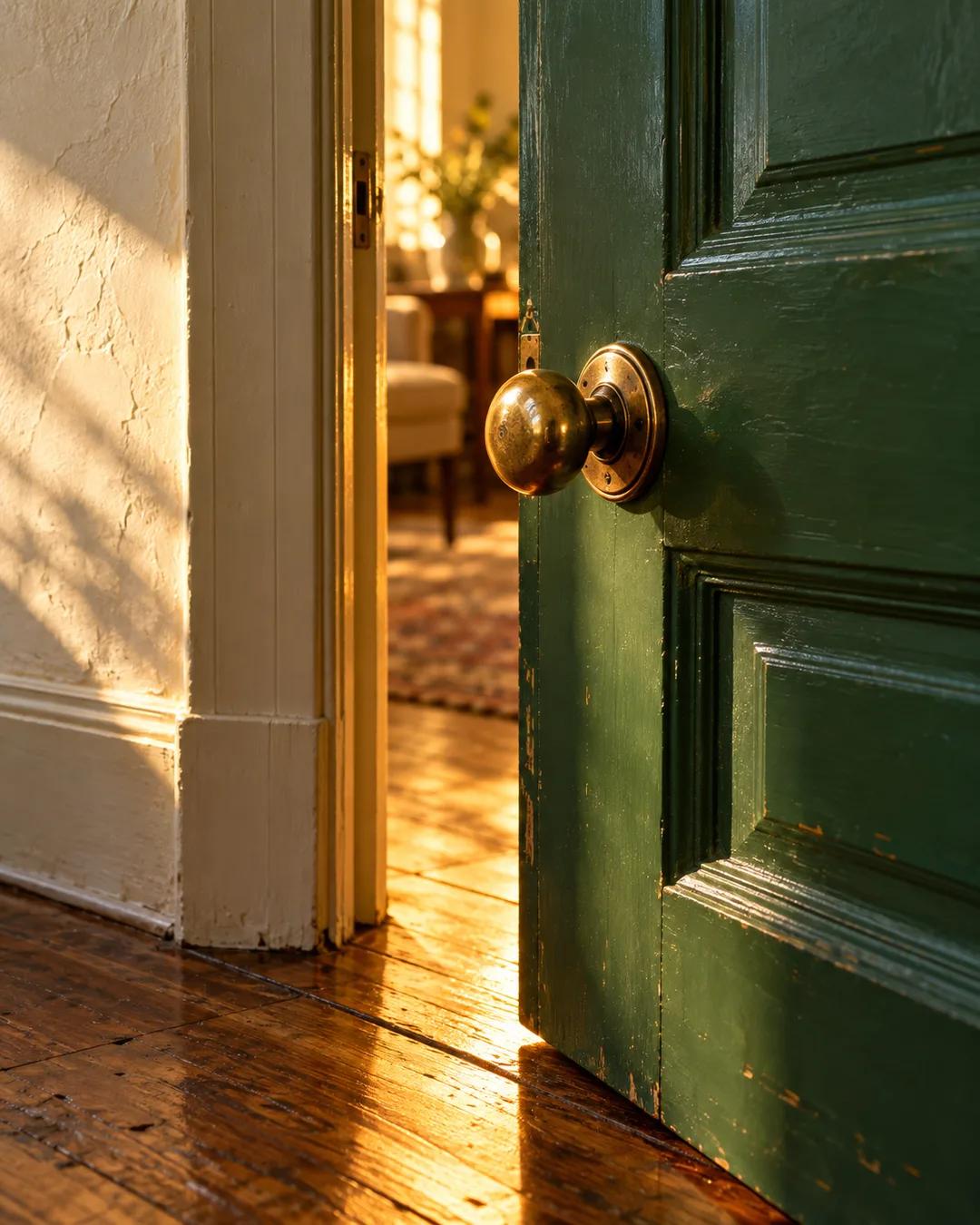
A diverse society needs temporary common hymnals: a bare minimum shared idea, such as healthy heat, that gives people a way to begin. One team listened together to an interview about it and used it as an inroad to ask where they stood. A shared idea works like a conversational doorknob that people can use to enter a hard conversation, even when they are scared, because they care about each other.
How do traditional communities air grievances?
One well-documented example is ho'oponopono, a traditional Hawaiian family practice. A senior relative or other respected figure leads the family through prayer, an open discussion of the problem, confession, and forgiveness. The session ends with a release, after which the matter is not raised again. The practice treats a dispute as a break in the relationships of the whole family, not a contest between two people.
What do courts leave out of a dispute?
A court decides who is right under the law and awards a remedy, usually money or an order. It does not ask the parties to hear each other or to rebuild a relationship. In the 1970s, restorative justice programs grew up to fill that gap. The first Victim Offender Reconciliation Program began in Kitchener, Ontario, in 1974, bringing victims and offenders together with a mediator.