Korva is a scroll of the internet’s best ideas.
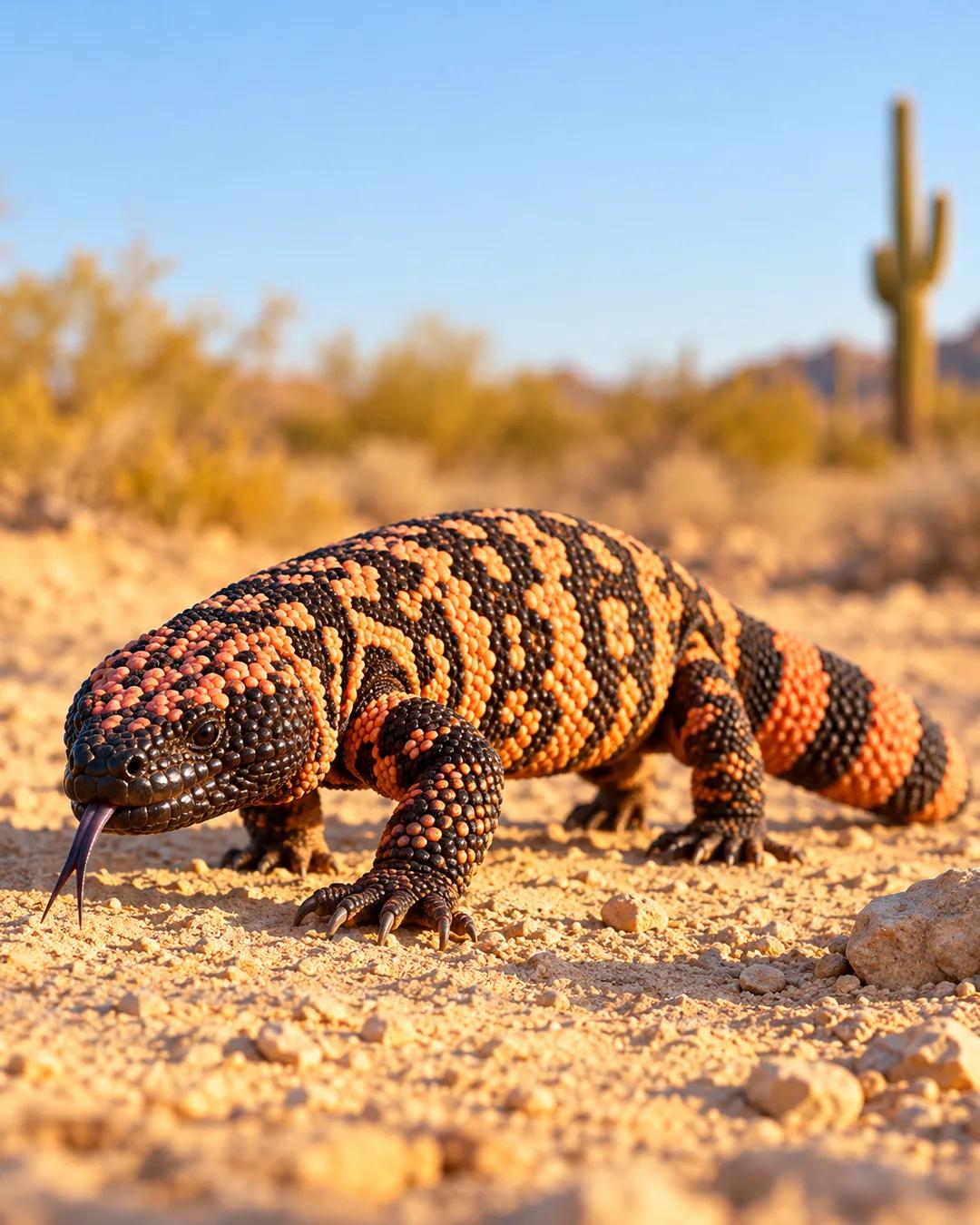
Weight loss drugs began in lizard venom
Two minutes in the body
The body makes its own GLP-1, a gut hormone that tells the pancreas to release insulin, but it lasts only about two minutes before enzymes destroy it and the kidneys remove it. Two scientists were studying the Gila monster for different reasons. An endocrinologist knew that people bitten by the lizard often had an extreme pancreatic reaction. John Eng, who studied peptide hormones in animals, had already found a hormone resembling human GLP-1 in the venom of a beaded lizard.
The venom peptide
Working together in 1992, they found a peptide in the Gila monster's venom that switched on the same GLP-1 receptor. It was called Exendin-4. A slightly different amino acid sits at the spot where enzymes break down the human hormone, so this version lasts hours instead of minutes.
Making it a drug
Turning it into a drug took until 2005, when it was first approved for diabetes. Eng patented it quickly and presented it to pharma companies, but some thought the idea was too weird to have a commercial use. That changed at the 1996 American Diabetes Association conference in San Francisco, where scientists from Amylin Pharmaceuticals took an interest and licensed his patent. The drug, exenatide, is a synthetic version, so nobody extracts it from the lizard, and it was the first GLP-1 drug approved.
Why would lizard venom contain a human-like hormone?
In the Journal of Biological Chemistry in 1992, John Eng and colleagues described exendin-4, a 39-amino-acid peptide from the venom of Heloderma suspectum, the Gila monster's scientific name. Its sequence matches human GLP-1 at about half of its positions. Venoms often evolve from ordinary body signals, because a hormone that steers one animal's physiology can disrupt another's when it arrives in a bite. Mammals carry the same receptor, so the lizard's peptide fits it the way the body's own hormone does.
Why can't enzymes break down exendin-4 quickly?
The enzyme DPP-4 snips human GLP-1 after its second amino acid, which is alanine. Exendin-4 has glycine at that position, and DPP-4 cuts it only very slowly. That one swap stretches the hormone's working life from minutes to hours. A whole class of diabetes drugs, the DPP-4 inhibitors such as sitagliptin, works by blocking that same enzyme.
How do you make a drug from venom?
Exenatide is a chain of 39 amino acids, short enough to be built by chemical synthesis, adding one amino acid at a time. That means nobody has to milk a lizard to make it. Venoms have supplied other medicines through the same route: captopril, a blood pressure drug approved in 1981, was designed from a peptide in the venom of the Brazilian pit viper. Exenatide reached pharmacies in the United States as Byetta in 2005.
More from Saloni Dattani