Korva is a scroll of the internet’s best ideas.
Went to war for his wife

The Night Raid
Börte was the girl he had met at eight, when she was nine, and now they were married. An old visitor, Granny Khokhkhi, was sleeping on the floor of the ger when she felt the earth vibrating and knew horsemen were coming. Temujin's mother, Hoelun, put her children on horses and took the baby girl on her own lap. She left Börte, the other wife Sochigel, and Granny to flee in Granny's ox cart, and the attackers were so busy with the cart that the family escaped to the mountainside.
Seeking Allies
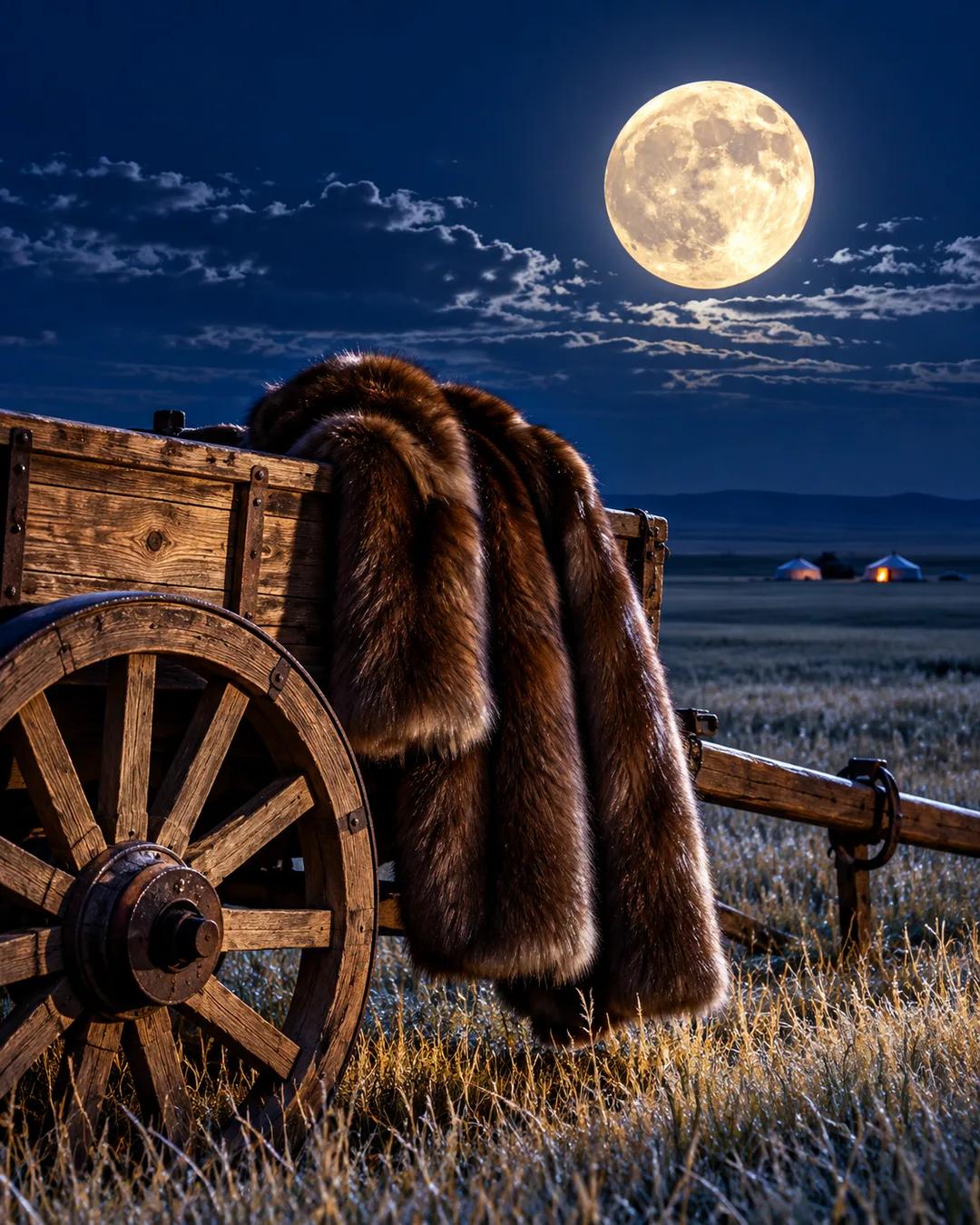
Temujin had obeyed his mother and lost the most important thing in his life. He decided that life was not worth living without Börte and that he would die trying to get her back. He needed allies, so he went to Wang Khan, who had once been lord over his father, carrying the sable coat Börte's mother had given Hoelun at the wedding. Wang Khan promised troops and told him to ask Jamukha for more.
The Rescue
The raid on the Merkit camp came at night under a full moon. Merkit men out hunting sables raced back with a warning, and Börte was loaded into a cart to get away. Temujin rode through the camp calling for her, hardly noticing the battle. She heard his voice, jumped off the cart, and ran to him. He grabbed her, held her, and told her this was why they were there and they needed nothing else.
Why did Wang Khan agree to help Temujin?
Wang Khan, also called Toghrul, ruled the Kereyid people and had once sworn brotherhood with Temujin's father, Yesuke. According to the Secret History, Temujin addressed him as a father when he brought the sable coat. The coat was a gift fit for a ruler, and accepting it sealed the bond between them. Wang Khan promised soldiers for the rescue.
Why was sable fur so valuable?
Sable pelts are dense, soft, and warm, and they were among the most prized furs in Eurasia. Mongolia and Siberia were the main source, and local peoples paid rulers tribute in sables. Demand for sable drew Russian trappers east across Siberia from the late 1500s. Sable fur was sometimes used like currency in northern trade.
More from Lex Fridman Podcast