Korva is a scroll of the internet’s best ideas.
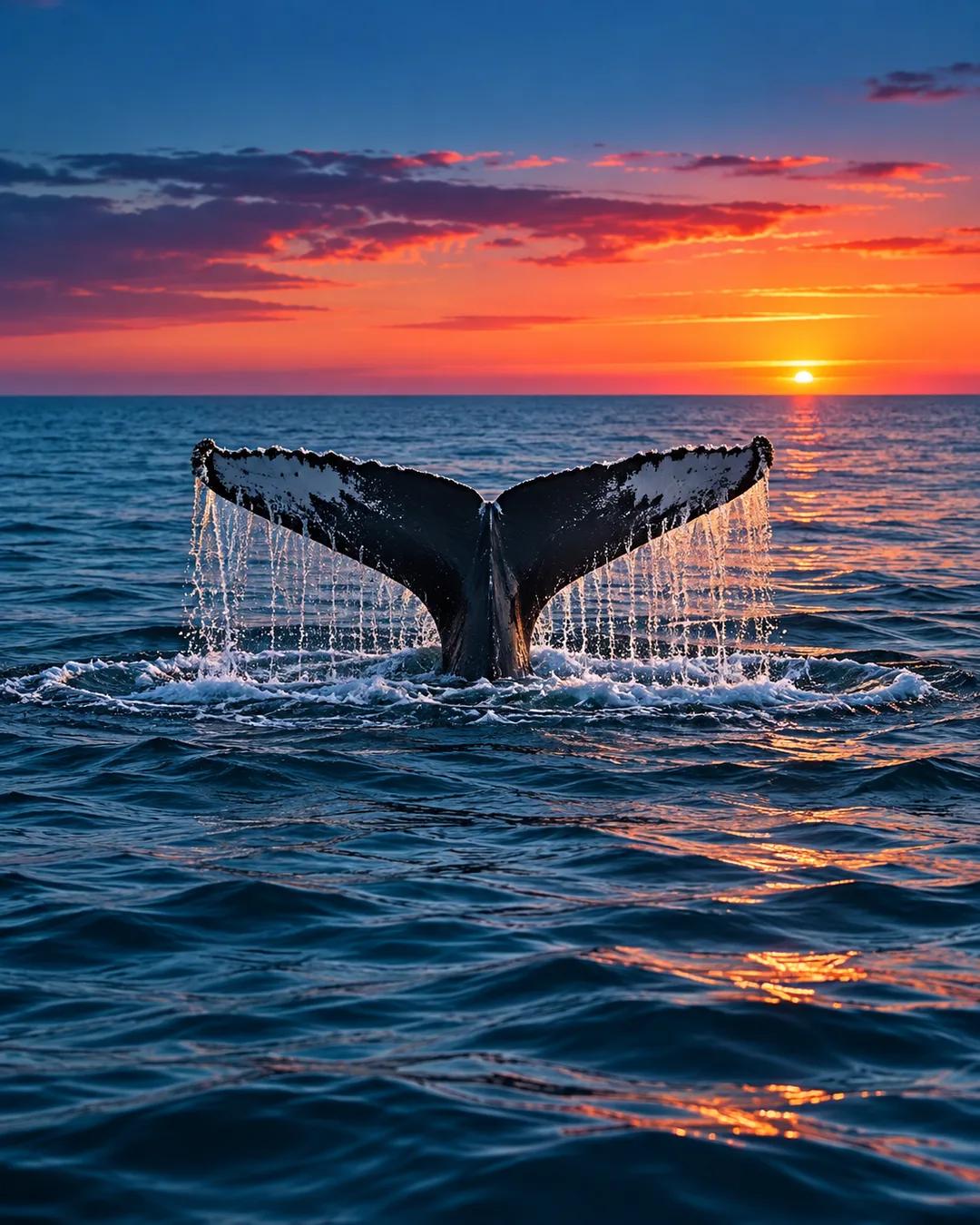
Whale songs go Australia to Canada

A lot of audio has been recorded of this. The signature vocalizations start in Australia, and over the course of two years they make their way up to northern Canada, where whales that are not the original singers perform essentially the same tunes.
It looks like a whale culture. Humans are at most 300,000 years old, and whales are far older, which leaves all sorts of things in whale communication that people know nothing about.
How do whale songs spread so far?
In 2011, researchers led by Ellen Garland reported in Current Biology that new humpback song types spread eastward across the South Pacific, from eastern Australia toward French Polynesia, over about two years. Whales adopt new songs from others they hear and then pass them along. Humpbacks mostly sing on breeding grounds, but populations also overlap at feeding grounds and along migration routes, where songs can pass between groups.
How far does whale sound travel?
Water carries sound much better than air, and low-frequency sounds lose energy slowly. Blue and fin whale calls can be picked up by underwater microphones hundreds of kilometers away. Part of that range comes from the SOFAR channel, a layer in the deep ocean where sound bends back toward the middle instead of escaping. Scientists including Maurice Ewing identified that channel in the 1940s.
Why do only male humpbacks sing?
Nearly all recorded humpback song comes from males, mostly on winter breeding grounds. Researchers think it plays a part in courtship or in interactions between males. A song lasts roughly ten to twenty minutes, and a singer repeats it in sessions that can run for hours.
More from The Rest Is Science