Korva is a scroll of the internet’s best ideas.
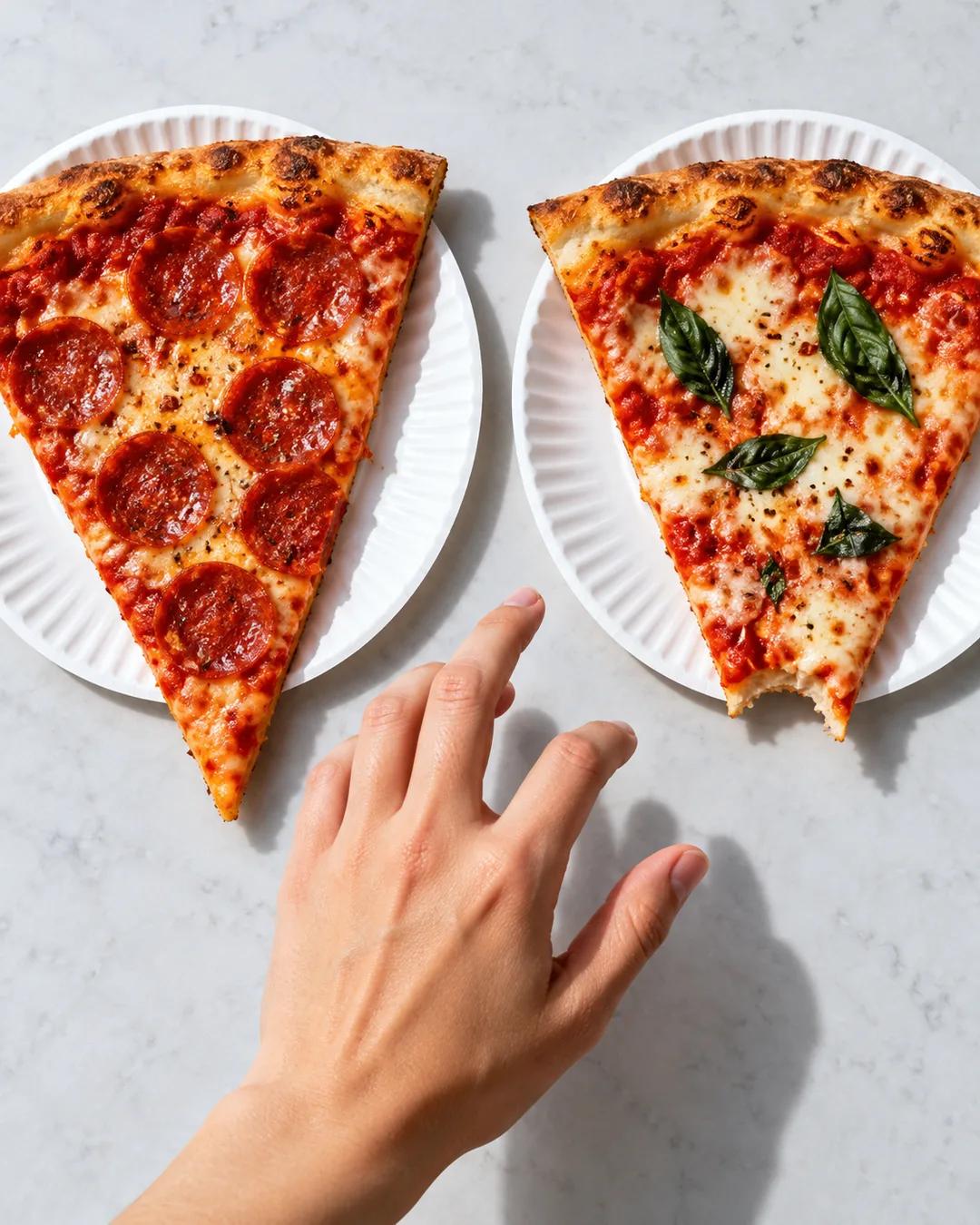
Which tastes better to you?
Hand someone two pieces of pizza and ask which one they like better, and it isn't a hard question. They will say they like one much better. They won't say they think another person will like it more. They will say this one tastes better to me.
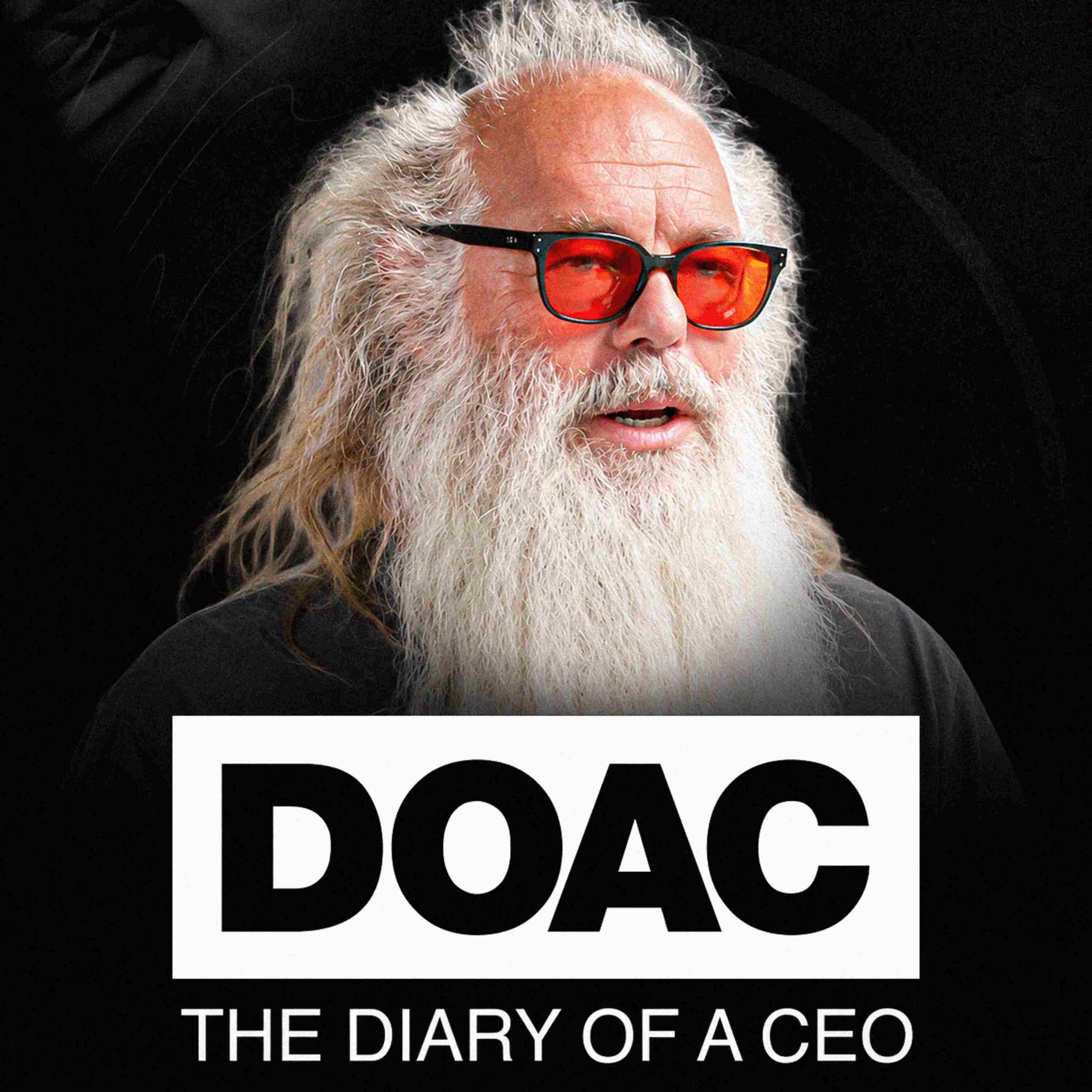
Producer Rick Rubin treats that as the goal in making things: getting to this one tastes better to me. It is simple, though people don't believe it can be. Most people don't trust themselves, which he calls the condition of the world and the result of how people are indoctrinated.
The place to aim for is where you really stand, apart from what you fear about yourself or what other people will think. Someone who comes off as wildly egotistical is usually hiding insecurity, so overconfidence and self-doubt often turn out to be two sides of the same coin.
Why do people doubt their own taste?
In Solomon Asch's conformity experiments in the early 1950s, volunteers compared the lengths of lines while actors around them gave obviously wrong answers. About 75 percent of the participants went along with the group at least once. Many said afterward that they had doubted their own eyes. Social pressure shapes judgments even on questions with a clear answer.
Why do outward confidence and hidden insecurity go together?
The Austrian psychiatrist Alfred Adler described overcompensation in the early twentieth century. In his account, a person who feels inferior may reach for displays of superiority to cover it. He called the underlying pattern an inferiority complex. The idea remains part of everyday language, though modern psychologists test it in more specific ways.
More from The Diary Of A CEO with Steven Bartlett