Korva is a scroll of the internet’s best ideas.
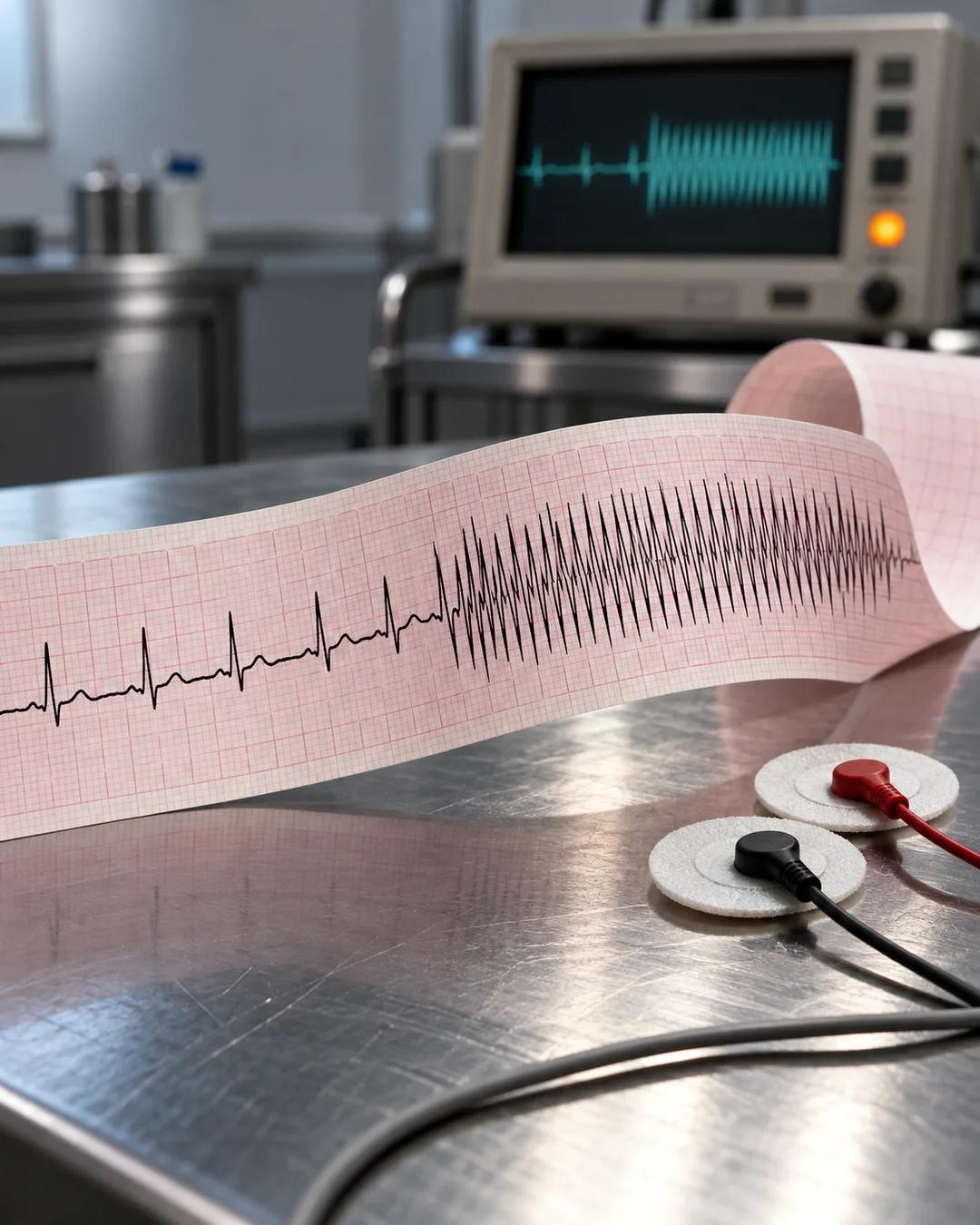
Yogi fluttered his heart on command

A Navy physicist took him into the lab, and the results were recorded numerous times. He also made one spot on his hand 11 degrees different in temperature from another spot on the same hand.
The story appeared in the New York Times magazine, and it turned into huge news. He was on Donahue and on ABC, and the work showed up in the scientific literature. Then he came and went, and almost no one talks about him now.
Foundational to everything he did was breathing. That was the starting point, and the meditation and everything else were developed after it.
How does breathing change the heart's rhythm?
Heart rate speeds up during each inhale and slows during each exhale, an effect called respiratory sinus arrhythmia. The vagus nerve acts as a brake on the heart, and the brake eases briefly as the lungs fill and tightens again as they empty. Slow breathing makes these swings larger, which raises heart rate variability. The effect is strongest in young, healthy people and fades with age.
How did biofeedback research begin?
In the 1960s, the psychologist Neal Miller at Rockefeller University reported that rats could learn to change their heart rate, intestinal contractions, and blood flow in return for rewards. Interest spread to human experiments, in which people watched instruments display their own heart rate or skin temperature and learned to shift it. Researchers began running such studies on meditators and yogis as well. The Biofeedback Research Society was founded in 1969.
How can two spots on one hand differ in temperature?
Skin temperature depends on blood flow through tiny vessels, which sympathetic nerves tighten and relax. When a patch of skin gets more blood, it warms within seconds, and when its vessels narrow, it cools. Fingertips can swing several degrees as their vessels open and close. Skin temperature biofeedback has been studied for migraine and for Raynaud's disease.
More from The Rich Roll Podcast