Korva is a scroll of the internet’s best ideas.
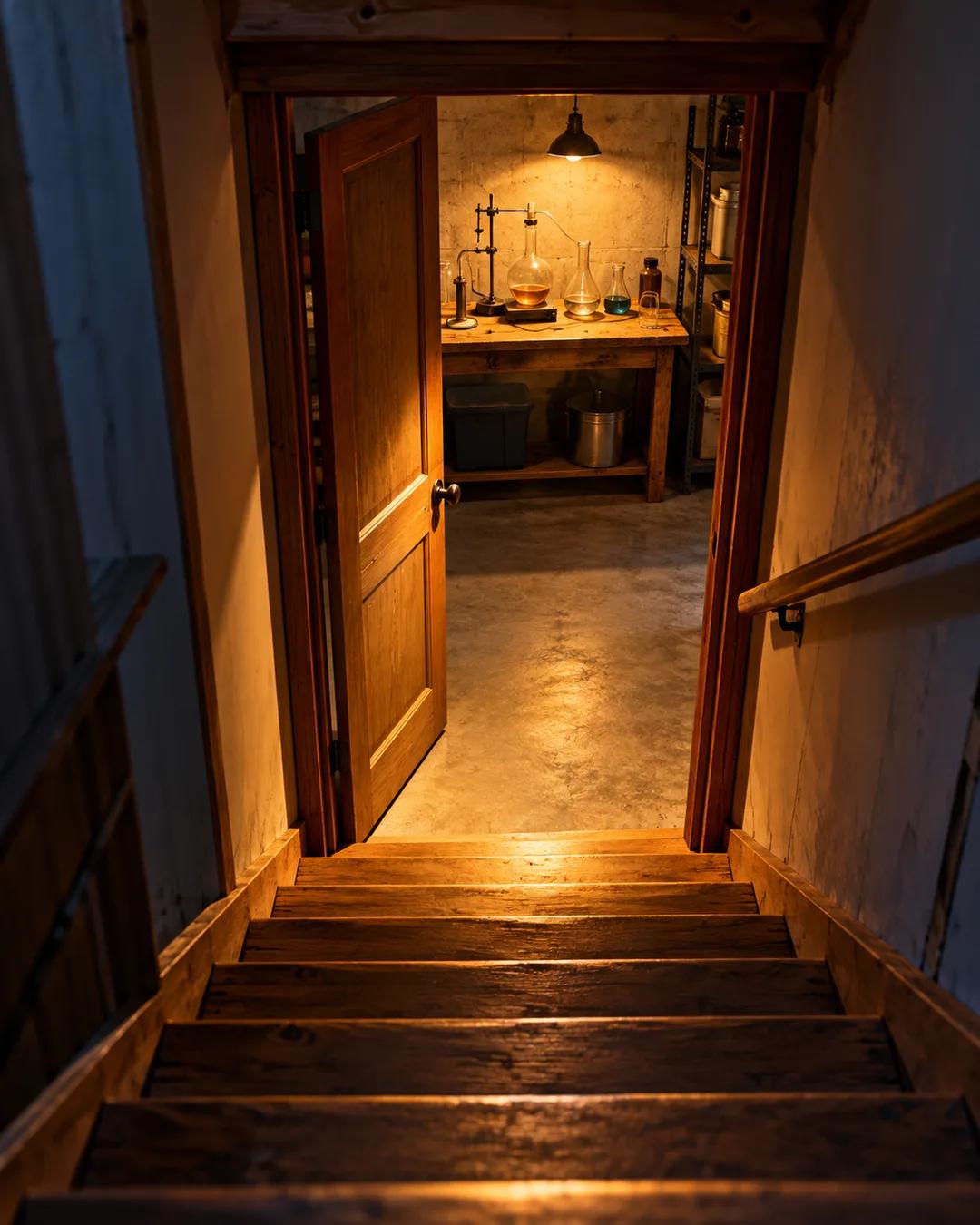
You can't inspect a basement lab

Nuclear Lead Time
Nuclear proliferation has been one of the biggest geopolitical problems of the last sixty years, and it continues. The world has not managed to stop it completely, yet building a bomb is hard to hide. There is usually enough lead time to try to do something about it.
The Basement Problem
Arms control for cyber weapons or bioweapons runs into a different problem. A pathogen that could destroy half the planet can be cooked up in a basement lab, so no one can verify whether a country is abiding by a bioweapons agreement. Verifiability is how compliance gets ensured, and here it is missing.
Arms Races Without Trust
The result is accelerating arms races with almost no strategic trust between the rivals. Rapid technological change across biology, cyber, and many other fields at once is destabilizing the balance of power, and that significantly raises the chance of confrontation and even war between great powers.
Why is a nuclear bomb hard to hide?
Making weapons-grade material takes large dedicated facilities such as enrichment plants or reactors, which draw heavy power and leave traces in air and water. Underground tests are picked up by seismic stations around the world, which can distinguish an explosion from an earthquake. The International Atomic Energy Agency, founded in 1957, inspects declared sites under safeguards agreements. Satellite imagery has also exposed construction at undeclared sites.
How does the bioweapons treaty check compliance?
The Biological Weapons Convention entered into force in 1975 and has no formal system of inspections. The Chemical Weapons Convention of 1997, by contrast, created the Organisation for the Prohibition of Chemical Weapons, which sends inspectors to declared sites. Negotiators worked for years on a verification protocol for the biological treaty, and the effort collapsed in 2001 when the United States rejected the draft. The treaty still has well over a hundred member states.
Has a country cheated on a bioweapons ban?
The Soviet Union signed the Biological Weapons Convention in 1972 and kept running a huge biological weapons program under a civilian cover organization called Biopreparat. Defectors revealed the scale of it in the late 1980s and 1990s. Western governments had suspected it but had no means of confirming it from outside. Russia's president Boris Yeltsin acknowledged the program's existence in 1992.
More from Invest Like the Best with Patrick O'Shaughnessy